

Media Showcase
10 Assets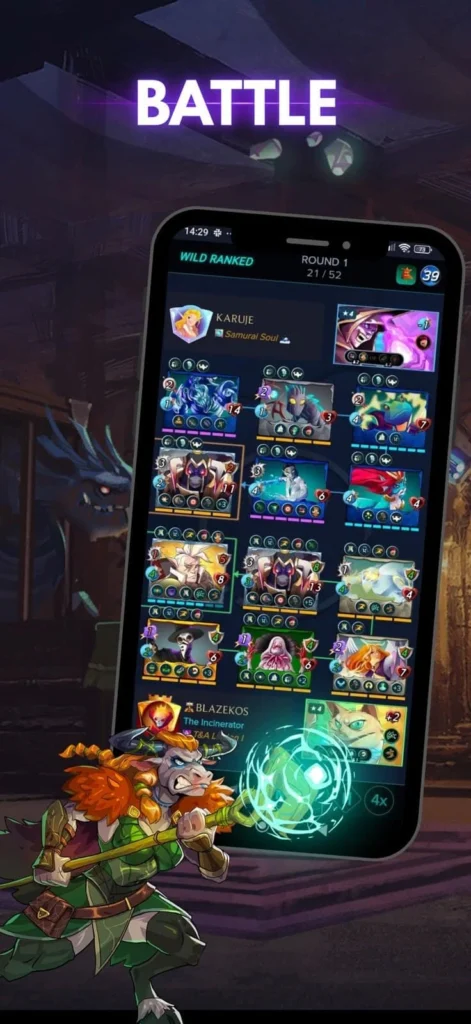
About Splinterlands
Splinterlands is a card collection game where cards, decks and items are blockchain assets that players own, exchange, lease or destroy rather than license from a developer. The game runs on the Hive blockchain, recording accounts, card possession and transfers on-chain, with the SPS governance token also live on platforms including BNB Chain. Cards divide into sets, and battles take place via web browser at splinterlands.com against opponents' teams.
See more
How to play Splinterlands
Each encounter enforces a mana limit plus one or more rulesets — conditions including Little League, Back To Basics, or Pandamonium (random starting positions). Pick a summoner and construct a unit squad under your mana allowance, then combat plays out automatically: no turn actions mid-fight, so team building and ruleset understanding dictate outcomes. Ranked splits into two paths: Wild uses all released cards, Modern limits play to the latest two sets. Fresh accounts start Campaign Mode for Foundations cards and Frontier access; Modern and contests unlock after 100 Frontier matches or a $10 Spellbook purchase. Skirmishes use Energy, refreshing each day and purchasable with DEC, Glint or Credits.
Splinterlands tokenomics & earning
Two tokens power the system. DEC (Dark Energy Crystals) serves as the core currency for purchases, sales and leasing, and is also the output when burning unwanted cards, with higher ranks, greater rarity and foil cards yielding more. SPS (Splintershards) is the governance token: lock it for voting rights and higher match payouts. Ranked wins grant Glint for the Shop, along with rating and staked SPS; Modern victories pay 50% more Glint than Wild. SPS payouts need a Spellbook, but free accounts battle, earn Glint, participate in guilds and rent cards.
Splinterlands is an automatic-combat card game where the economy is the central focus. Assemble a summoner and unit team under your mana budget, then combat executes on its own — no mid-fight choices means every call happens before the fight, through reading conditions and squad design. This makes it more akin to…
Read the full verdict
Splinterlands is an automatic-combat card game where the economy is the central focus. Assemble a summoner and unit team under your mana budget, then combat executes on its own — no mid-fight choices means every call happens before the fight, through reading conditions and squad design. This makes it more akin to deckbuilding strategy than real-time tactics, a distinction that probably determines if you'll continue playing.
The strength is the possession model: cards, sets and leases are live on-chain Hive assets, with surplus cards burning to DEC instead of clogging your vault. Leasing also lets you field competitive teams without ownership. The friction starts with onboarding: free players battle and collect Glint, yet Modern ranked play, events and SPS earnings sit past 100 Frontier bouts or a $10 Spellbook fee, and selecting between Wild and Modern poses an unfamiliar choice for beginners. Also note: matches run on Hive; BNB Chain hosts SPS, not the actual game.
Best for card enthusiasts at ease with trade and markets, not for those wanting active tactical gameplay.
Gameplay Breakdown & Analysis
Independent assessment by eGamers game testing guild
- Long-standing blockchain card game with a substantial and expanding player base
- Authentic on-chain card ownership with visible and secure in-game assets
- Play-to-earn incentives — gain tokens through victories and contest entry
- Complex deck construction and tactical customization for ranked competition
- Open access to the official site with regular tournaments at splinterlands.com
- Limited gameplay focus — card battles exclusively, without additional modes
- Ranked online matches challenge casual and beginning players
- Needs a crypto wallet and blockchain knowledge to possess and exchange cards
- Income tied to token pricing and card market dynamics, subject to swings
- Available on BNB Chain alone, restricting options for other network users

Splintershards ($SPS)
-0.09%


Funding & Backers
Player Reviews & Scores
Real reviews from verified blockchain wallet gamers
Be the first to review this game!
Latest News & Updates
 Blockchain Games
Splinterlands rolls out Collector Achievements on Oct. 27 with ranked perks and land rewards
 Blockchain Games
Hallows Fall returns to Splinterlands with new Spooky and Haunted skins
 Blockchain Games
Splinterlands launches Hallow’s Fall 2026 as Halloween skins head to reward chests on Oct. 15
Frequently Asked Questions
How do you start playing Splinterlands?
Register at splinterlands.com and begin with complimentary starter cards to understand mechanics. Activate the Summoner's Spellbook via one-time fee to unlock competitive earnings and establish your in-game currency holdings and authentication credentials.
How do battles work in Splinterlands?
Matches assign mana constraints and variable rulesets, requiring assembly of one summoner and up to six creatures staying within those parameters. Battles execute automatically without manual intervention, demanding strategic preparation via lineup composition and unit positioning.
How do players earn rewards in Splinterlands?
Daily and seasonal progression generates reward containers with cards, fortifications, achievements, and Glint currency. Card rentals or marketplace sales produce supplementary earnings since cards represent transferable possessions you control.
What are the tokens in Splinterlands?
SPS (Splintershards) serves as governance-focused token for staking, decision-making participation, and earning enhancements, whereas DEC (Dark Energy Crystals) functions as transactional currency for acquiring and renting assets. Both maintain public market listings with fluctuating valuations offering no guarantees.
Is Splinterlands still active and worth playing?
The title maintains active operation featuring recurring seasons, competitive tournaments, and consistent rule updates. It emphasises strategic card composition, though sustained competitiveness typically requires investment or card rentals, with earnings tied to unpredictable token valuations.