
What is Splinterlands?
Splinterlands is a card collection game where cards, decks and items are blockchain assets that players own, exchange, lease or destroy rather than license from a developer. The game runs on the Hive blockchain, recording accounts, card possession and transfers on-chain, with the SPS governance token also live on platforms including BNB Chain. Cards divide into sets, and battles take place via web browser at splinterlands.com against opponents' teams.
How to play Splinterlands
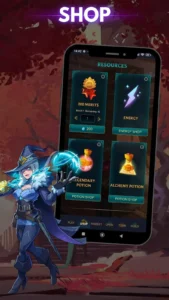
Each encounter enforces a mana limit plus one or more rulesets — conditions including Little League, Back To Basics, or Pandamonium (random starting positions). Pick a summoner and construct a unit squad under your mana allowance, then combat plays out automatically: no turn actions mid-fight, so team building and ruleset understanding dictate outcomes. Ranked splits into two paths: Wild uses all released cards, Modern limits play to the latest two sets. Fresh accounts start Campaign Mode for Foundations cards and Frontier access; Modern and contests unlock after 100 Frontier matches or a $10 Spellbook purchase. Skirmishes use Energy, refreshing each day and purchasable with DEC, Glint or Credits.
Splinterlands tokenomics & earning
Two tokens power the system. DEC (Dark Energy Crystals) serves as the core currency for purchases, sales and leasing, and is also the output when burning unwanted cards, with higher ranks, greater rarity and foil cards yielding more. SPS (Splintershards) is the governance token: lock it for voting rights and higher match payouts. Ranked wins grant Glint for the Shop, along with rating and staked SPS; Modern victories pay 50% more Glint than Wild. SPS payouts need a Spellbook, but free accounts battle, earn Glint, participate in guilds and rent cards.
 SPS
SPS