

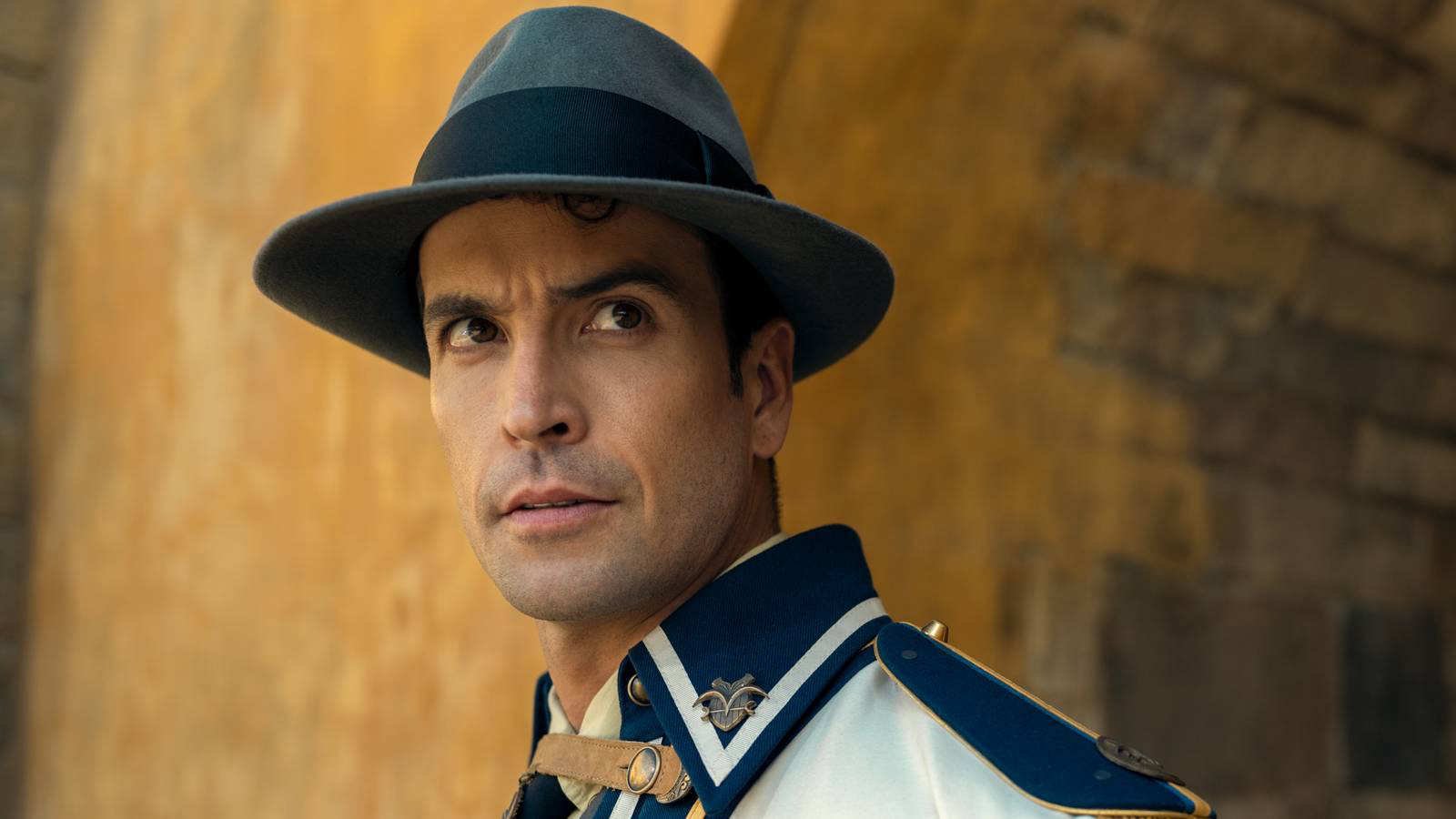
Luffy stretches an arm the length of a pirate deck and smiles like the entire ocean is in his debt. That’s the register the show lives in. And it explains why Netflix’s live-action One Piece lands at a scale nobody predicted for it.
It premiered in 2023, two seasons are out, and a third is coming. The source is Eiichiro Oda’s manga, running since 1997 and now past 1,175 chapters. Monkey D. Luffy, played by Iñaki Godoy, is chasing the title of King of the Pirates. Everything runs off that.
Netflix’s approach was odder than a faithful adaptation. The series borrows the sprawl of The Lord of the Rings and bolts it onto the rhythm and attitude of Cobra Kai, one of the platform’s own breakout titles. Written down, the pairing makes no sense. One is medieval fantasy on an epic scale. The other concerns feuding karate dojos in Los Angeles.
Middle-earth scale, dojo energy
The pirate world Oda built is vast and densely populated, packed with locations and side characters whose histories are fleshed out further than the protagonists of lesser fantasy series. Tolkien worked from the same instinct. He gave the stretch from the Shire to Mordor a genuine sense of history, and Peter Jackson translated that scope to the screen with an ambition that reset how fantasy films are made.
Where One Piece parts ways is the earnestness. It transplants Oda’s world into live action carrying the youthful vibrance that turned Cobra Kai into such a win for the service.

Every brawl involving Luffy and the Straw Hat Pirates has the same contagious eagerness that Miguel Diaz (Xolo Maridueña) and the other young fighters take onto the mat. The pace is quick. Comedy is welcome. Characters get to wear their feelings openly without the goal they’re chasing feeling any smaller for it.
The seriousness problem
The fair criticism of Tolkien adaptations goes like this. The Lord of the Rings is close to flawless, and it is extremely serious about itself. Committed fans treasure precisely that quality. To a casual viewer it can feel weighty, sometimes forbidding, and it withholds the kinetic jolt many modern audiences are after.
One Piece matches the scale while choosing a brighter, more mischievous atmosphere. Luffy’s road has menacing villains and genuine tragedy, no less than Frodo’s does. What separates them is that this story never loses sight of fun as the first priority.
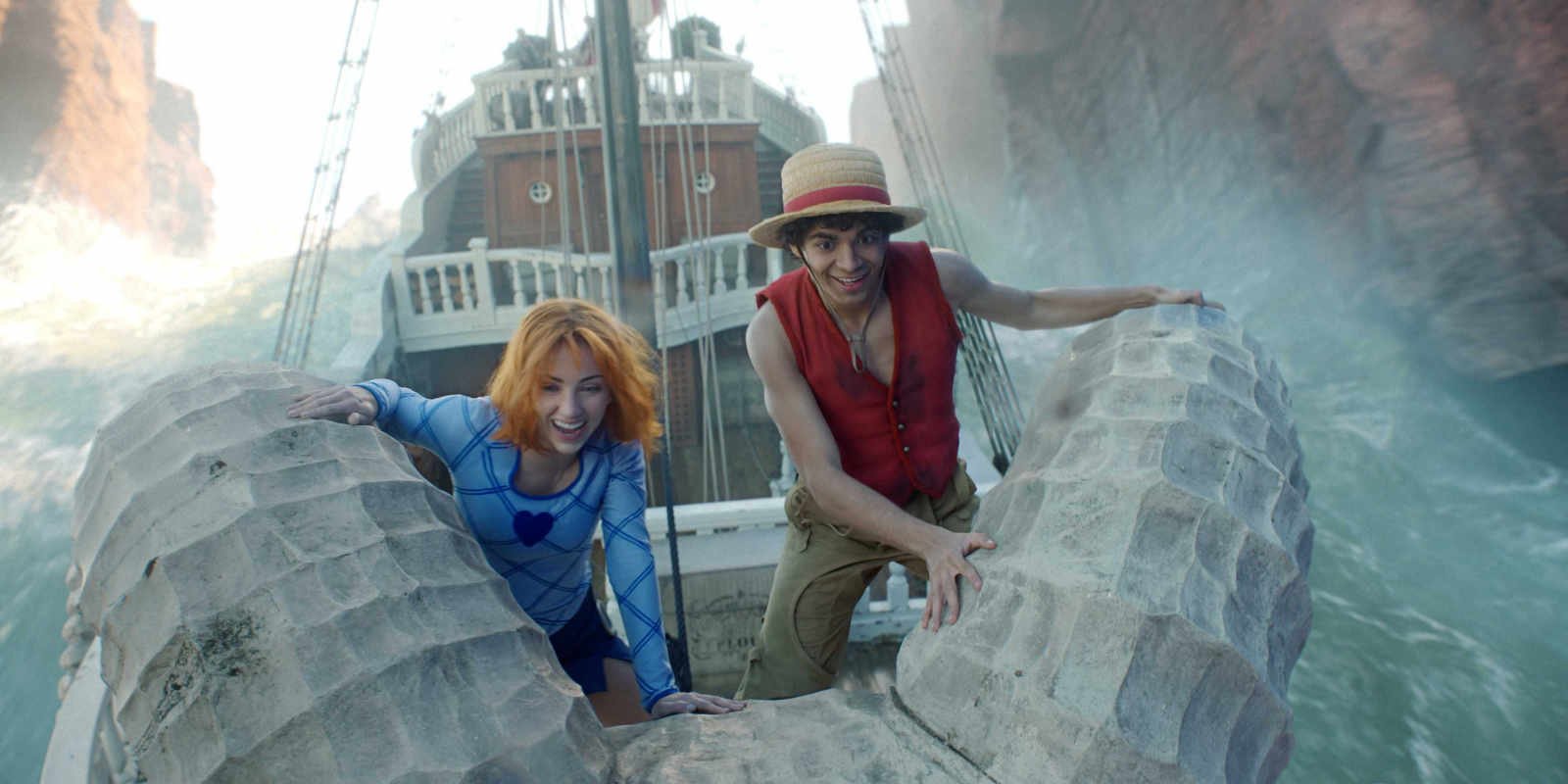
The result is fantasy painted on an immense canvas minus the daunting heaviness that normally arrives with world-building of this size. Noisy, funny, full of energy, and still substantial enough to support an epic adventure.
The manga label is doing damage
A lot of traditional Western fantasy readers have dismissed One Piece for a single reason: its origins are in manga, which parks it under the anime-fandom heading. When your touchstones are Tolkien, George R.R. Martin, or conventional swords and sorcery, those tags make Oda’s saga seem like it belongs to an unrelated category.
Which is exactly what makes the live-action series useful. It removes the obstacle. Following Luffy requires no background in manga or anime whatsoever. You step into a huge fantasy universe, get to know its inhabitants, and watch the adventure grow more ambitious as it goes.
The 21st century’s Middle-earth
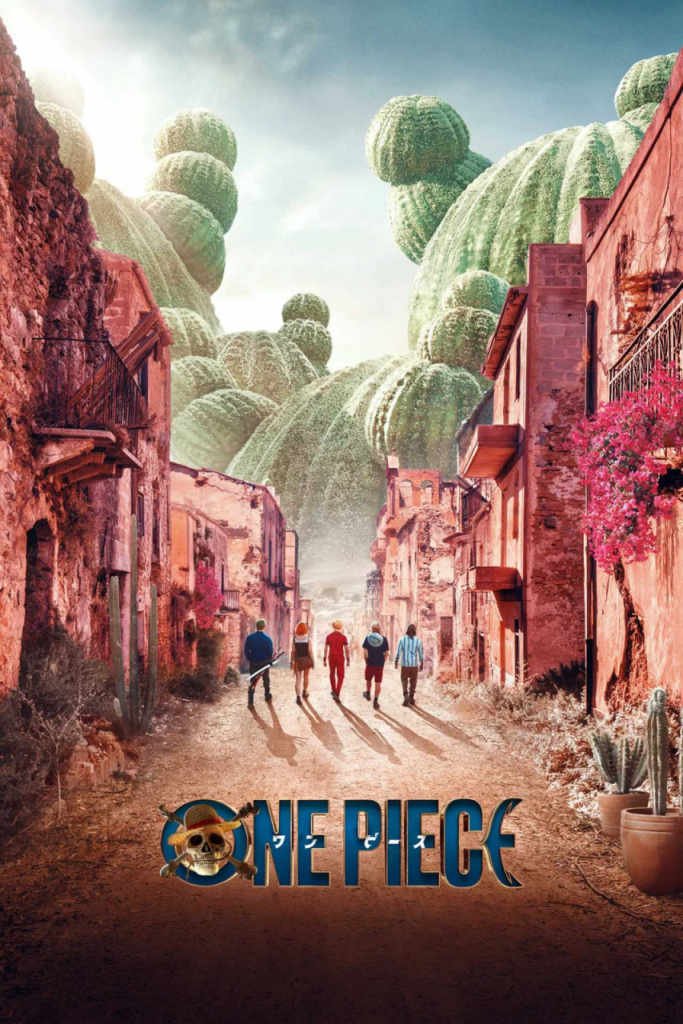
A serious case can be made that One Piece is the fantasy epic that defines this century in the way Tolkien’s Middle-earth defined the last. Its world is immense. Its mythology never stops widening. Its cast has developed over a narrative of extraordinary length. Very few contemporary fantasy properties rival it on ambition or cultural footprint.
Not convinced? The Netflix series is the place to begin. The Lord of the Rings remains the yardstick for classical epic fantasy, yet One Piece might be the most ambitious heir the genre has produced, and a live-action Luffy in a straw hat with a rubber arm makes a surprisingly effective way in.