

Connect began as a virtual reality conference. In 2026, the headset may well be the least shocking announcement of the show.
The Meta keynote is set for September 23, with CEO Mark Zuckerberg taking the stage at 4PM PT/7PM ET. Developer sessions and talks follow a day later, kicking off with a “developer state of the union” at 10AM PT/1PM ET.
These days the event spans every piece of hardware the company has in flight, along with AI and the metaverse. With an ever-growing smart glasses range, Meta’s relentless pace of AI launches and the wider industry panic about how fast AI is moving, Zuckerberg has an unusually long list to work through.
The most interesting glasses are the ones with no camera
The rumor that keeps pulling me back is about a feature a product is said to lack. Meta is reportedly building camera-free frames in two different styles, swapping the cameras out for additional microphones so wearers can speak to its AI assistant.
Dropping the cameras gets Meta two wins. Reportedly, the frames come out slightly slimmer and read more like “normal glasses.”
The other benefit is tougher to put on a spec sheet and carries more weight. Over the past few weeks Meta has been working to get out in front of the “creep glasses” storyline, going after people who tamper with the LED indicators and then post clips of themselves harassing strangers. During a recent Instagram AMA, Meta CTO Andrew Bosworth said the company would have “more to say” on the matter at Connect.
Ray-Ban has already teased that fresh Meta-branded eyewear is on the way. Those could be the camera-free frames. Equally, it could signal a Gen 3 range, given that the initial Gen 2 models were unveiled at last year’s Connect.
There is also the follow-up to the Meta Ray-Ban Display. Reports point to a model carrying displays in both lenses, which would unlock genuine interface possibilities. But the device sometimes referred to as “Hypernova 2” has been quiet for long enough that my money is on Meta keeping it in reserve.
Phoenix looks more like goggles than a headset
Meta hasn’t launched a new headset in a while, and it has never demonstrated anything much like the product currently going by “Phoenix.” The mixed reality device has circulated in rumors for months, and the evidence suggests an official reveal at Connect.
A HorizonOS update leaked several images of the lightweight unit. What they show is slim enough to pass as goggles instead of a headset, with a cable plainly in view.
That cable supports earlier reporting that Phoenix depends on a tethered link to a separate puck. Rumors suggest eye and hand tracking will take the place of a dedicated controller.
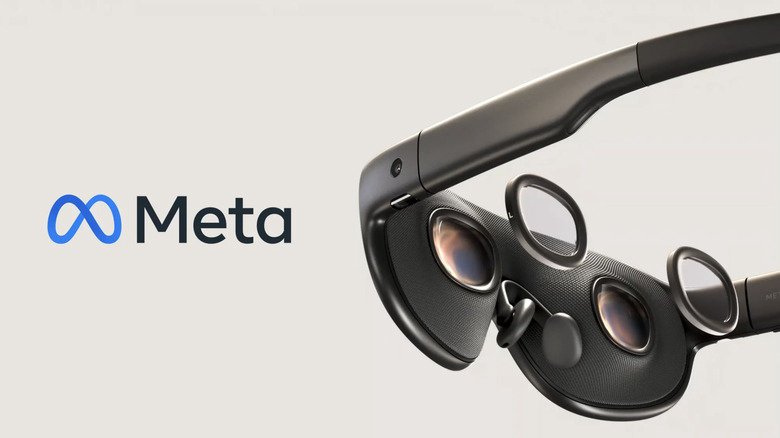
The specs remain a mystery. The reasonable assumption is that Phoenix will be among the earliest products built on the Snapdragon Reality Elite chip Qualcomm unveiled earlier this year, a part made for mixed reality headsets and engineered specifically to enable slimmed-down form factors.
New hardware, and the thin software behind it
A fresh category of headset almost certainly brings HorizonOS updates with it. The tougher question is what Meta thinks you’ll be doing on the thing.
Meta has been closing VR studios one after another, so I’d be surprised by a marquee game reveal landing next to Phoenix. Entertainment seems like the more plausible angle. Last year there were reports that Meta was funding a new “3D horror series” built on A24’s Talk to Me, apparently intended to be watched in its headsets.
There could also be fresh details on the holographic avatars first demonstrated two years ago alongside the Orion prototype. Meta said back then that the tech would make its way to virtual reality in time, and Qualcomm has since promoted “photorealistic avatars” as an advantage of that very chip. Reports suggest an avatar of Meta’s CTO could turn up during the keynote.
Those avatars tie directly into the company’s evolving metaverse story. Around the time Meta came close to pulling the plug on Horizon Worlds in VR earlier this year, Bosworth described augmented reality as very much a piece of the company’s “expansive construct of the metaverse.”
AI, and the apps that never showed up
AI news has dominated the last few Connects, and this is the first edition since the torrent of releases from Meta’s superintelligence group. Count on plenty of stage time for Muse, the company’s AI agent.
Meta has already teased that Muse support on glasses was arriving “soon,” so fleshing that out at Connect would be in keeping with past form. Agent capabilities would also hand the camera-free frames a selling point.
What I’d most like answered is the third-party app situation. A handful were announced for Meta’s camera glasses at last year’s Connect, and momentum since has been slim, even though developers can now build dedicated apps for Meta Ray-Ban Display.
So here’s the number worth tracking on September 23. Not the millimeters trimmed from a pair of frames, but how many third-party apps Meta can name on stage without “coming soon” stapled to them.