

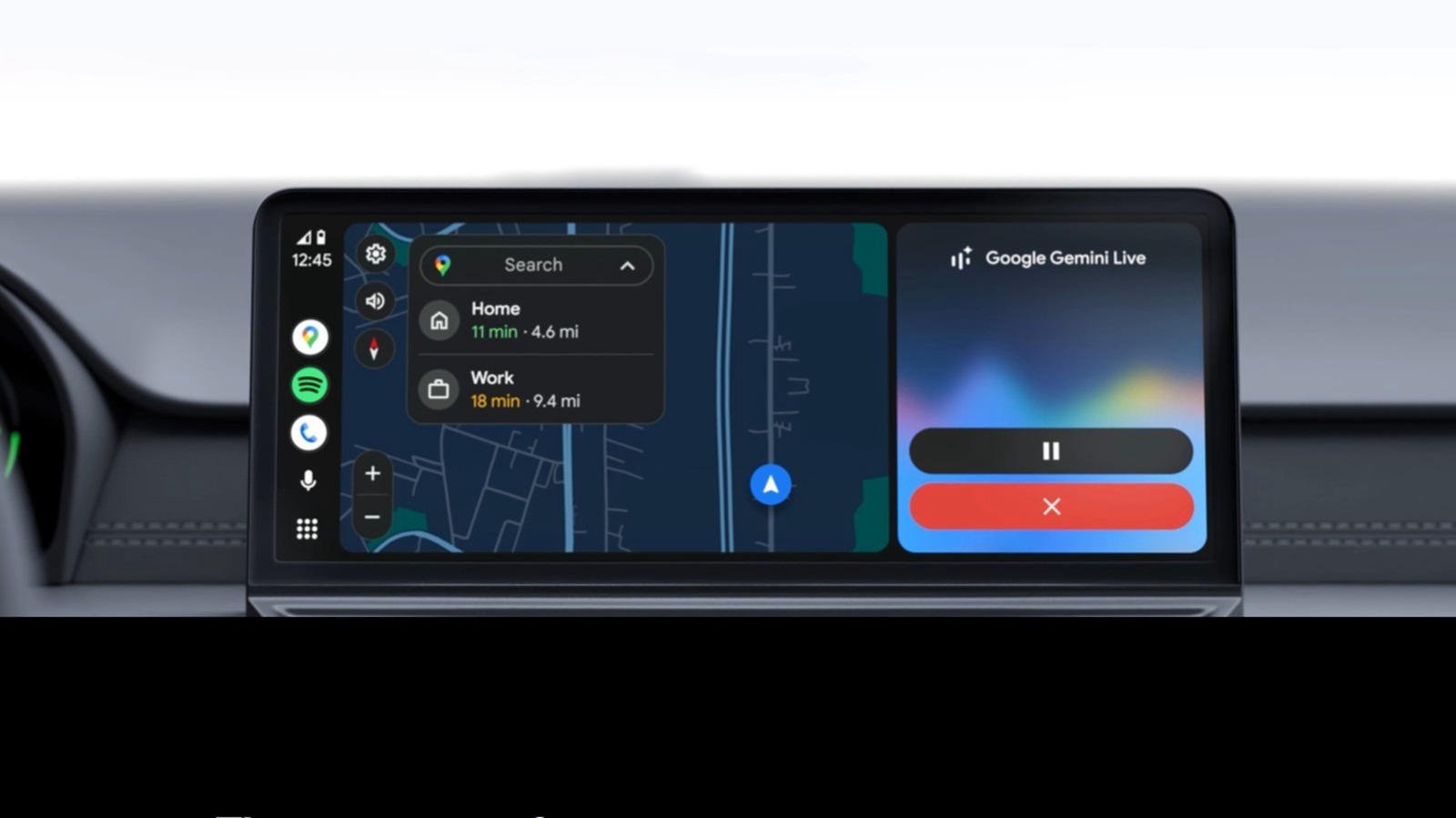
Run wireless Android Auto for an hour behind the wheel and your phone will shed roughly 10 to 15 percent of its charge. You won’t find that figure printed on any packaging, yet it’s the single detail that determines whether the feature suits you.
The rest of the experience delivers exactly what’s advertised. Sit down in the car, the handset pairs by itself, Maps comes up, your playlist kicks in. Nothing draped across the console.
That convenience has a price, though, and it’s settled in heat and battery charge.
Two radios are doing the work, not one
Wireless Android Auto leans on Bluetooth and Wi-Fi simultaneously. The initial handshake belongs to Bluetooth, which authenticates the phone at startup and establishes credentials.
From there the session hands off to a Wi-Fi Direct network, which shoulders the demanding traffic: Maps, audio, touch input and voice commands.
Neither radio switches off mid-journey. Bluetooth stays on for hands-free calling while Wi-Fi carries the remaining data load. Disable one and the whole connection collapses.
The requirements are Android 11 or newer plus 5GHz Wi-Fi Direct support on the handset. Recent vehicles handle wireless out of the box. Older models might require an Android Auto wireless adapter plugged into the existing USB port, and in some cases you’ll need to enable the wireless option yourself inside the Android Auto developer menu if it isn’t switched on already.
Doing the battery arithmetic on a long haul
Asking a phone to sustain a constant Wi-Fi link alongside Bluetooth and live GPS is a heavy request. That’s the source of the 10 to 15 percent hourly figure, and across a three-hour journey it separates arriving with a working phone from arriving on the hunt for a charger.
Then there’s heat. Anyone using the feature heavily will feel the handset warm quickly under wireless Android Auto, particularly when navigation runs from start to finish.
Factor in summer temperatures inside a car that’s been sitting in the sun and the phone can reach the point of shutting itself down to spare the hardware. Ageing handsets reveal it earliest: maps that render sluggishly, music dropping out for no clear reason.
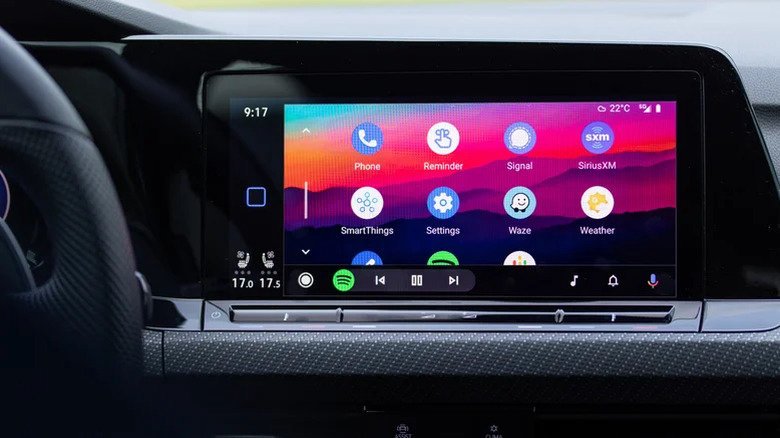
The cable still owns the unglamorous categories
Plug in over USB and you get a solid link, barely any latency on media and consistent charging. None of that is thrilling. It simply works.
Go wireless and you may run into small lags in responsiveness plus the odd unexplained disconnect. Convenience is the entire selling point, and that selling point is honest — but dependability was never included in it.
The upside you’re buying
Once you’ve paired over Bluetooth that first time, the phone handles every connection afterwards. There’s no fishing it out of a bag, locating the port and plugging in before you can back out of the driveway.
Sharing a car with other drivers? Every paired phone stays in the system’s memory. If a few devices compete for the connection simultaneously, anyone who isn’t driving can simply kill their Bluetooth, since — as “Supernatural” viewers will tell you — the “driver picks the music, shotgun shuts his cakehole.”
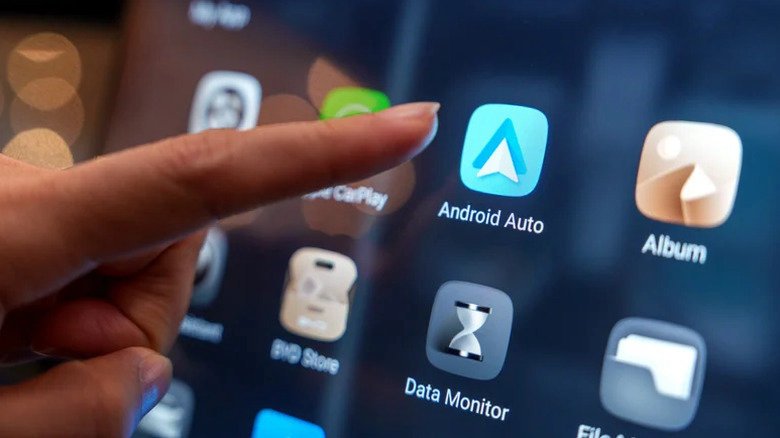
Your console also stays tidy. Nothing loops around the gear shift or snags beneath the seat when you slide it backwards. And that frees up a USB port for earbuds, a smartwatch or a passenger’s phone.
Drawing the line
Wireless earns its keep on a daily commute. Connecting automatically and losing the cable make the drive better right away, and a 20-minute hop to the office never travels far enough down the battery curve to register.
Save the cable for long trips where navigation runs the whole way. Heat and battery drain both compound over time, and wired remains far more battery-efficient by a considerable margin.
Stash a cable in the glovebox and let the length of the trip make the decision. There’s nothing more to work out.