

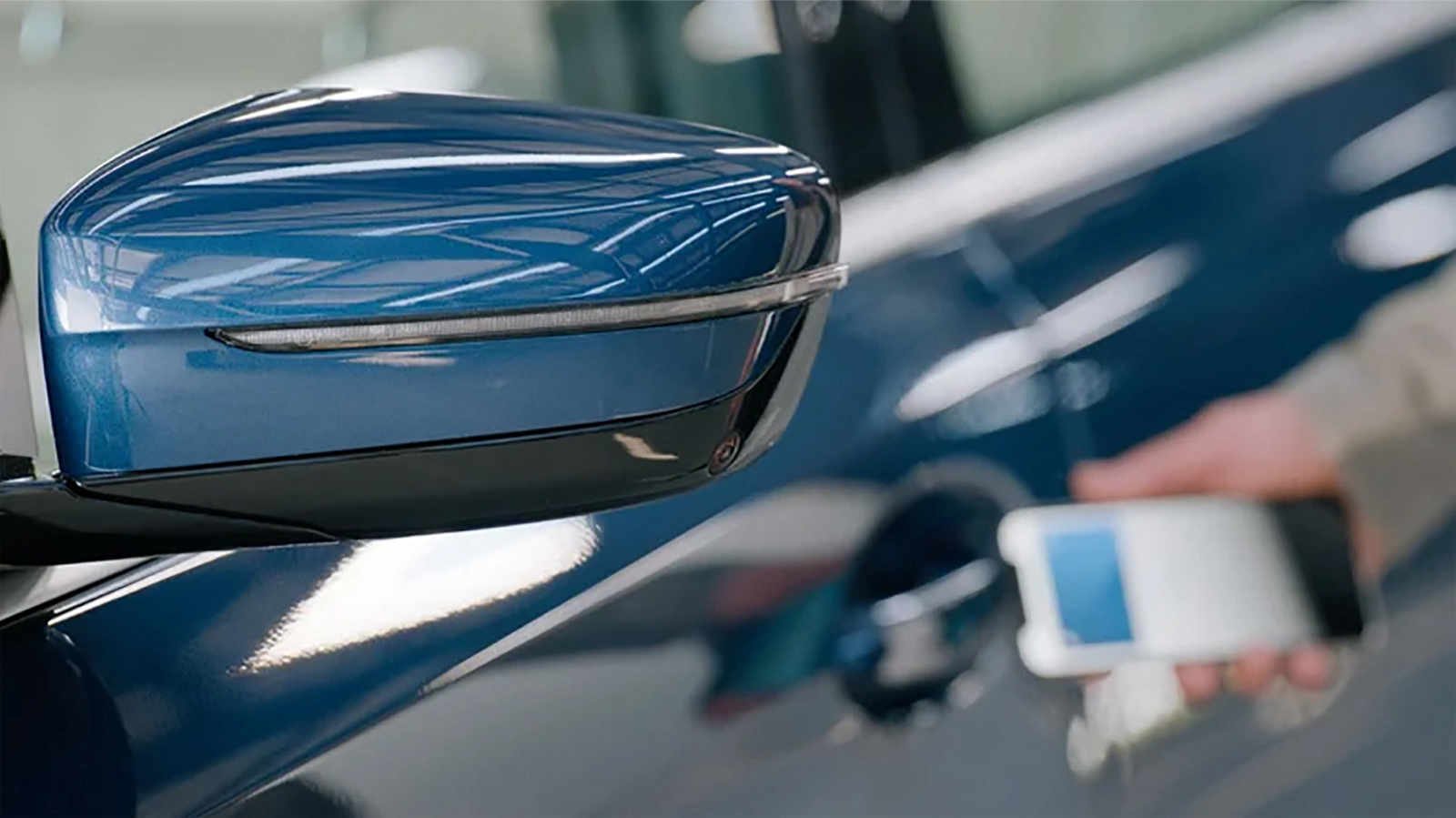
Picture it: your phone goes dead in a parking garage. Your car is sitting a few feet away. The fob? Still on the kitchen counter, because there’s no reason to carry it anymore.
That’s the nightmare everyone imagines when digital car keys come up, and it’s the one least likely to leave you stuck. The problems actually worth thinking about are far more boring than a drained battery.
Digital car keys hand your phone the job normally done by a physical key or fob, letting you lock and unlock the vehicle from the device in your pocket. Both Android and iOS support them, and Samsung offers its own digital key technology that pairs with select vehicles. Where the phone and car are both compatible, Google Wallet or Apple Wallet handles locking and unlocking — and on certain cars, starting the engine as well.
None of this is a brand-new idea. The technology follows criteria laid down by the Car Connectivity Consortium, which drafted the digital key spec back in 2018. After eight years of refinement, the fundamentals are dependable. It’s the edge cases that get interesting.
The theft math is better than you think
Here’s what caught me off guard: from a security standpoint, a digital key is structurally sounder than the fob you’re carrying today.
Fobs can be defeated by relay attacks, in which a thief boosts the fob’s signal and opens the car without ever laying hands on it. The fob never leaves your hall table. The car leaves the driveway.
Digital keys operate on different principles. Communication with the vehicle runs over ultra-wideband (UWB) or near-field communication (NFC), meaning the car stays locked unless your phone is truly within range. Proximity is enforced rather than guessed at.
Still, calling them immune goes too far. A thief who steals your phone and manages to unlock it may well be able to get into your car. That’s why most automakers stack on extra authorization steps to keep out criminals — or, for that matter, your underage kids.
What to actually do about a stolen phone
Protecting yourself comes down to the same unglamorous habits that safeguard everything else on your device: two-factor authentication, strong passwords and the ability to wipe the phone remotely if it disappears.
You may also be able to reach for a second device and suspend the digital key while you go looking for the missing phone. iPhone owners simply need to flag the device as lost; Apple CarKey then locks the app down on its own.
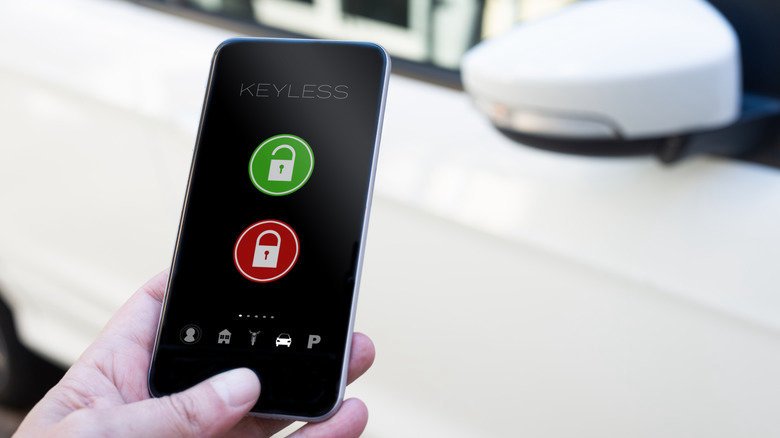
Contrast that with a misplaced fob, which simply lies wherever it fell, perfectly operational, available to anyone who happens across it.
The dead battery problem mostly isn’t one
Return to that parking garage. Losing the ability to hail an Uber or phone home is already rough. Add being shut out of your own vehicle and it’s worse still.
Except that isn’t how it plays out. Just as most fobs conceal a physical key or an alternate method of starting the car once their battery gives out, digital keys come with failsafes of their own. On Apple and Android alike, plenty of keys and cards remain usable for as long as five hours after the device battery dies, pulling reserve power via NFC.
Five hours will get you home. What it won’t do is let you leave the phone dead all night and count on the car cooperating at sunrise.
The failures that are more likely than you’d guess
The common fear is that Bluetooth or NFC will simply quit. That’s improbable.
The weaker link is software. There’s a somewhat higher chance the app freezes, crashes or insists on an update at the least convenient moment. If you’ve ever had a banking app force an update on you while standing at a checkout counter, you know exactly how that goes.
The company’s cloud server could also go offline, although most large firms maintain backup servers precisely to avoid that. None of these outcomes happen often. But being aware they can happen shapes how you prepare for them.
Keep the fob anyway
Wallets made the jump to digital. So did door locks. Car keys are heading down the same path, and the upside is genuine — not least how simple it becomes to grant someone else access.
Even so, a fallback earns its place. Keep the fob on you, or stash it somewhere secure at home where a family member could bring it to you if things go sideways.
Keep your phone charged and the app current, and digital keys will be easy as pie. Any digital technology can misbehave. Take sensible precautions and have a backup plan, and you’ll rely on your digital car keys every day without trouble.