

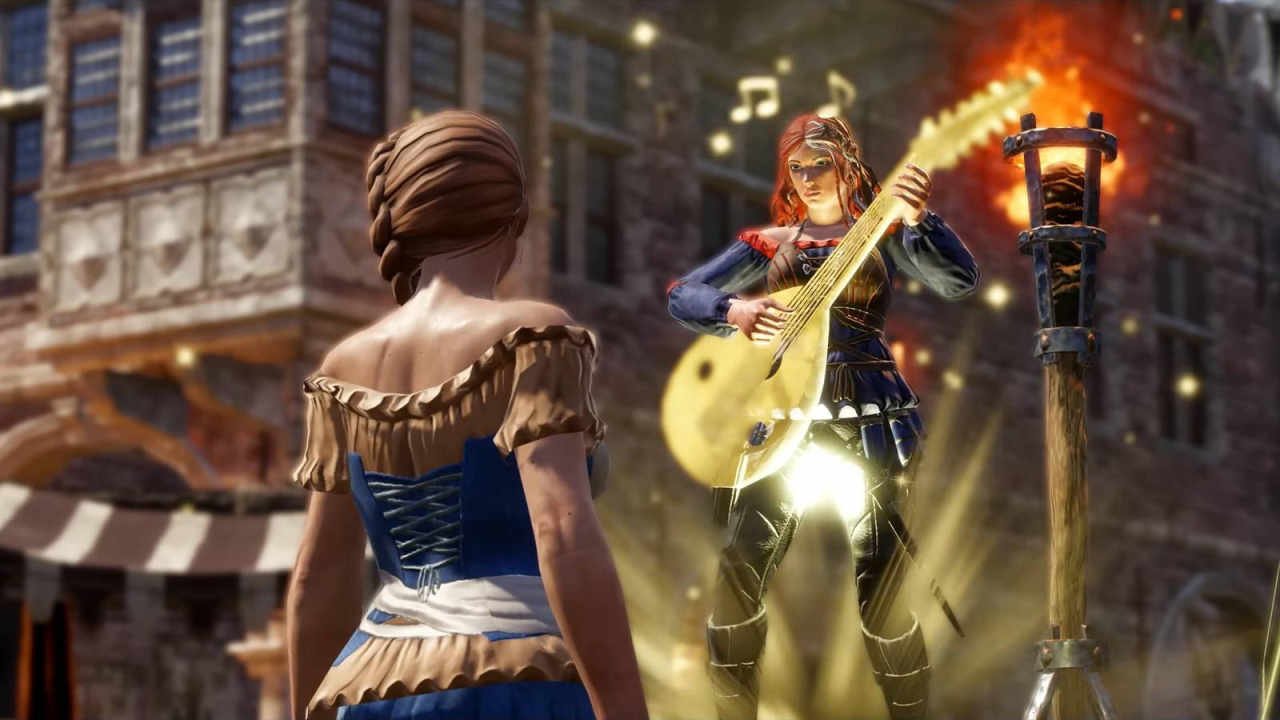
Do you back the goblins, or stand with the druids? In Baldur’s Gate 3 that is a genuine split in the path, and the Sword Coast keeps a record of whichever direction you pick.
No genre handles a story that splits down the middle better than the RPG. You decide who your character is, you keep making calls as you go, and the game bends around them. The civil war thread in Skyrim is the best-known illustration: throw in with the Stormcloaks or with the Empire, and the ending shifts accordingly. It is famous, sure. Plenty of other titles pull it off with more conviction.
Credit for branching narrative tends to land on visual novels and interactive fiction. Life is Strange. Detroit: Become Human. Those are the titles that come up whenever people discuss choices steering an ending. Turn-based RPGs have earned a place in that conversation as well, and a few of them let you tailor the story so completely that no two runs look alike.
Larian didn’t invent this, it just went bigger
The example freshest in everyone’s mind is Baldur’s Gate 3. Larian’s award-winning RPG reshaped video games with a story told across three acts and a cast of companions who grew more compelling the longer they stuck with you. None of it was new. The studio simply took what the CRPG genre was already doing well and blew it up to a scale nobody could ignore.
Your Dungeons and Dragons-inspired campaign unfolds along the Sword Coast as you search for a way to remove the Mind Flayer parasite lodged in your head. You run into people. A few of them sign on. How you treat them determines whether you romance your companions or antagonize them, which alters both the shape of the story and what it tells you.
The world moves as well. Back the druids as they fend off the goblins, or side with the goblins if cruelty appeals. Those are the large-scale decisions. Sitting beneath them are dozens of smaller narrative options that tip individual NPCs one way or another, and those tips come back around. On this particular front it is the most fully realised turn-based RPG there is, which explains the players who have run through it dozens of times.
The 1998 game that made your reputation a mechanic
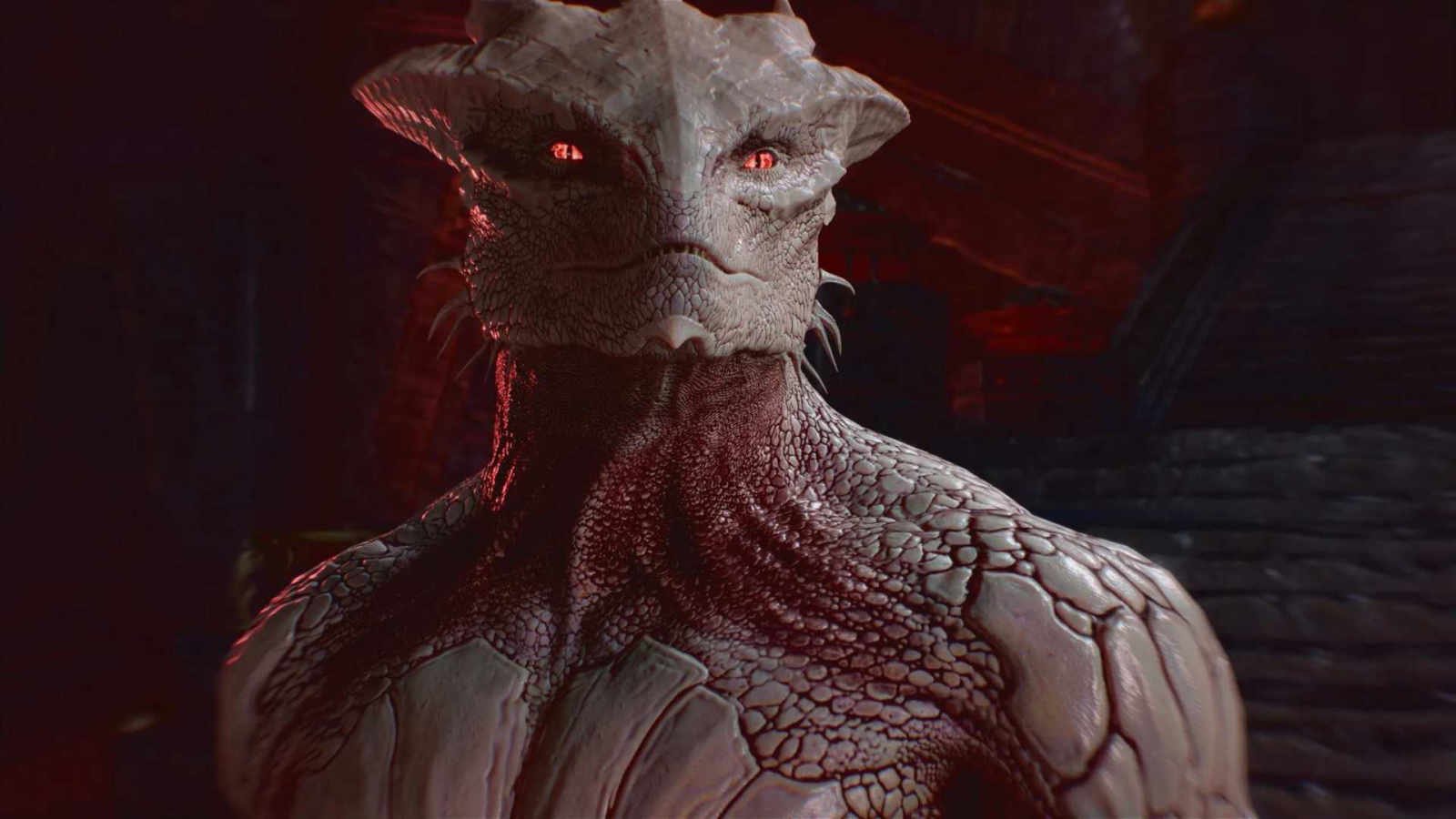
Long before any of that, there was Fallout 2. Arriving in 1998 as a straight sequel to 1997’s Fallout, it broadened the ways your decisions steer the ending. Customising your character was already standard for the genre, but Fallout 2 handed you wildly divergent ways to deal with NPCs, and some of those NPCs could be brought along.
The fresh idea was reputation, which the first game lacked entirely. It keeps score of how the factions and settlements that form the social fabric of Fallout 2 regard you. Sit well with a community and more content opens up: additional side quests, different routes through quests already underway. Sit badly and those routes shut.
At its worst, you end up with enemies. Even your exploration habits register, because lingering over everything can turn certain allies against you and bend your main story quests in the process. It is still among the most cherished entries in the franchise. A fan team is assembling an open-world remake of it, while Bethesda, holder of the IP, has Fallout 5 in development.
The Larian game people skip on their way to BG3
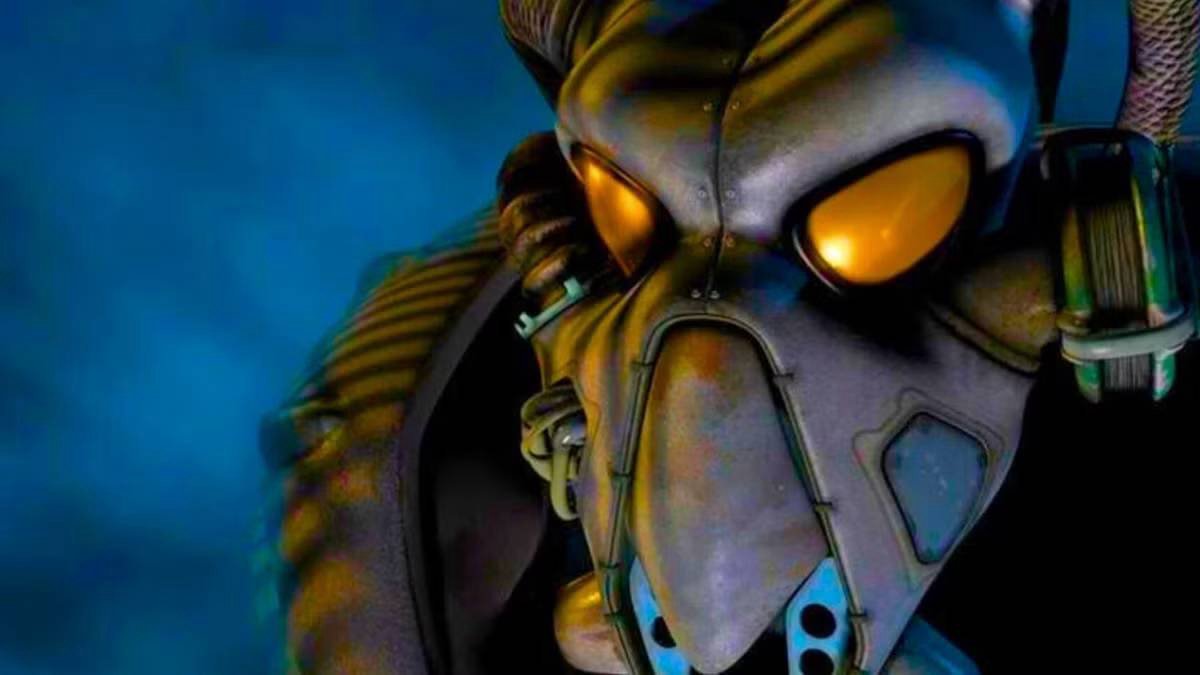
In structural terms, Divinity: Original Sin 2 laid the groundwork, even though BG3 is a much bigger and technically bolder undertaking. Much like the 2023 GOTY, it is a turn-based RPG built around a vast open world and a narrative divided into multiple acts.
You break out of a prison and work your way toward godhood, accompanied by allies who disclose more about themselves the further they travel with you. Decisions accumulate, both within the main campaign and far beyond it. Assist Sebille in killing her target, or refuse. Choose your own route out of Fort Joy.
Certain choices register without you noticing you made one. Walk past a fight and a potential ally dies. Divinity: Original Sin 2 beats BG3 at a few things, and the manner in which your choices remake the world, occasionally without your input, is one of them. It deserves better than being skipped.
Build a Jedi, then ruin him
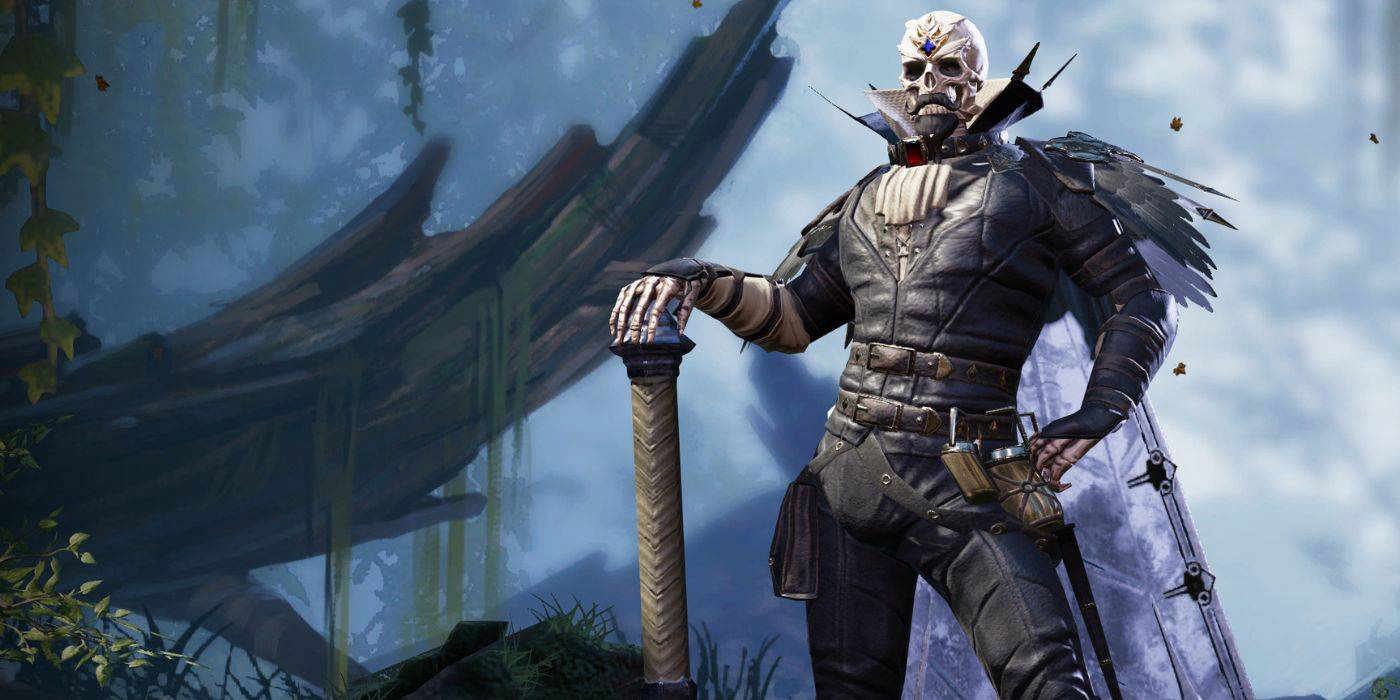
Released in 2003, Star Wars: Knights of the Old Republic is technically real-time with pause, yet it feels like a turn-based game in practice. You assemble a bespoke Jedi who need not hold a single value in common with the Order. He is free to rot entirely, drawn in by the Dark Side and everything it grants.
Throughout the campaign the alignment system is forever sliding toward Light or Dark depending on your conduct. Where that gauge lands settles which of the two available endings you reach, and it also colours how characters treat you en route.
Your choices touch your quests, your rewards and, most immediately, the powers you unlock while levelling. Fancy playing a Sith Lord even though the game never applies the label to you? Nothing stops you. The confirmed Star Wars: Knights of the Old Republic Remake will need to work out how much of that latitude to preserve, and how far to push it.
Redcliffe is the first thing that breaks
Another real-time-with-pause entry, equally thick with consequence, except that Dragon Age: Origins digs its consequences in deeper. BioWare’s 2009 masterpiece starts you with a character to build, and that step alone recasts the opening hours as you ease into the world through whatever you shaped. The origins in Dragon Age: Origins genuinely matter.
From there it drowns you in decisions. The first substantial one arrives early: rescue Redcliffe or leave it. The reverberations last the rest of the game. Almost every story arc and questline offers several approaches, each producing its own outcome, and those outcomes take in character deaths, romances and shifts in the state of the world that follow you into other games in the series.
Games where the world adjusts to your choices are hardly scarce these days. Origins is still one of the finest of them. Rescue Redcliffe, forfeit something else, and inhabit the Ferelden you assembled.