

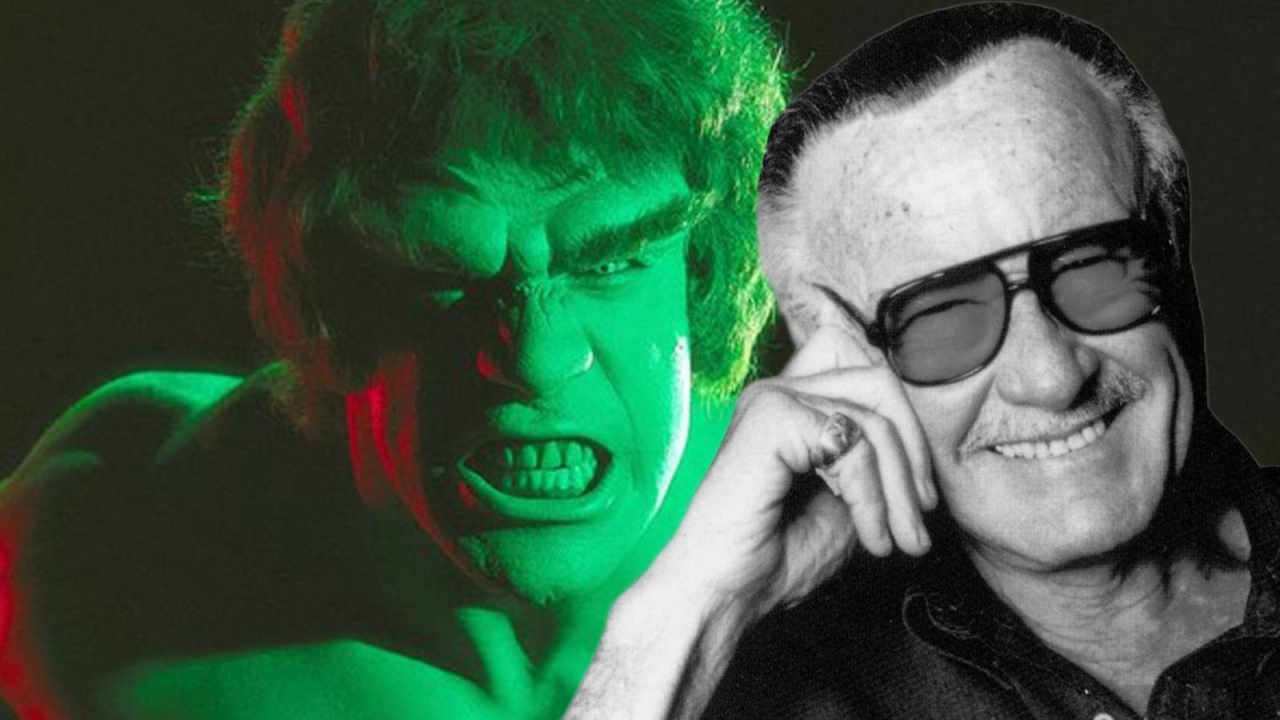
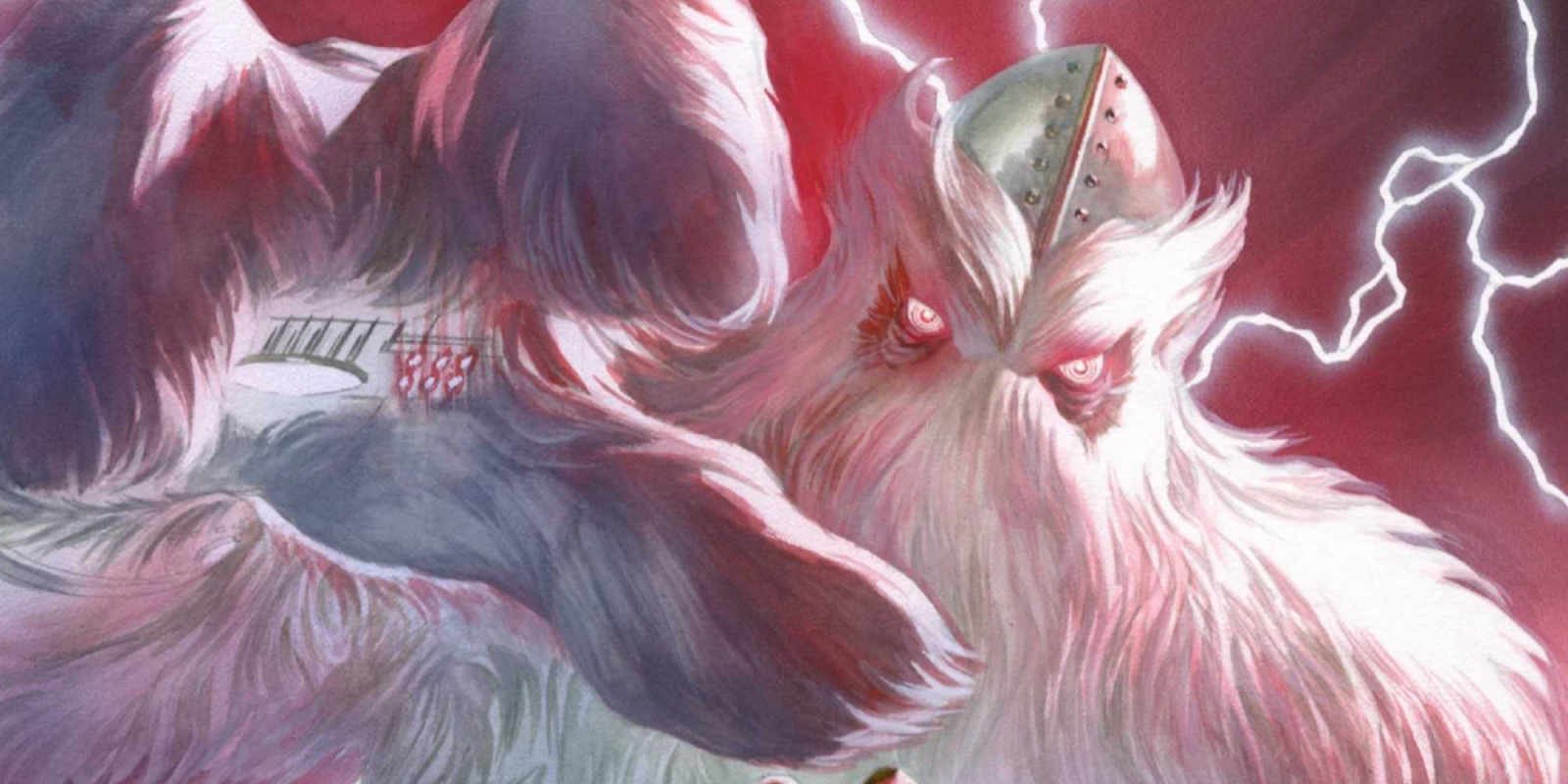
There was a Hulk running around Marvel before Bruce Banner ever went green. That one was an alien warlord, he was coated in white fur, and he was hypnotizing all of humanity into adoring him.
Call him Xemnu. Six decades and change after Stan Lee and Jack Kirby brought him into the world — 66 years, to be exact — he remains the nastier of the pair.
Since 1962, the Hulk everybody recognizes has been one of the load-bearing columns of the modern Marvel Universe, smashing his way through Earth and the multiverse alike. The character has cycled through eras. A few of them cast him as the bad guy — see the murderous Maestro of Peter David and George Perez’s Future Imperfect.
Not one of those eras, however, sinks as low as the original Hulk’s track record.
Marvel was chasing DC and building monsters on the side
Marvel had only recently returned to publishing superhero comics when the Hulk turned up. Executives were eyeing the sales numbers on DC’s Justice League and wanted a rival of their own.
The response from Lee and Kirby was The Fantastic Four. It connected right away and redrew the map of American comic books.
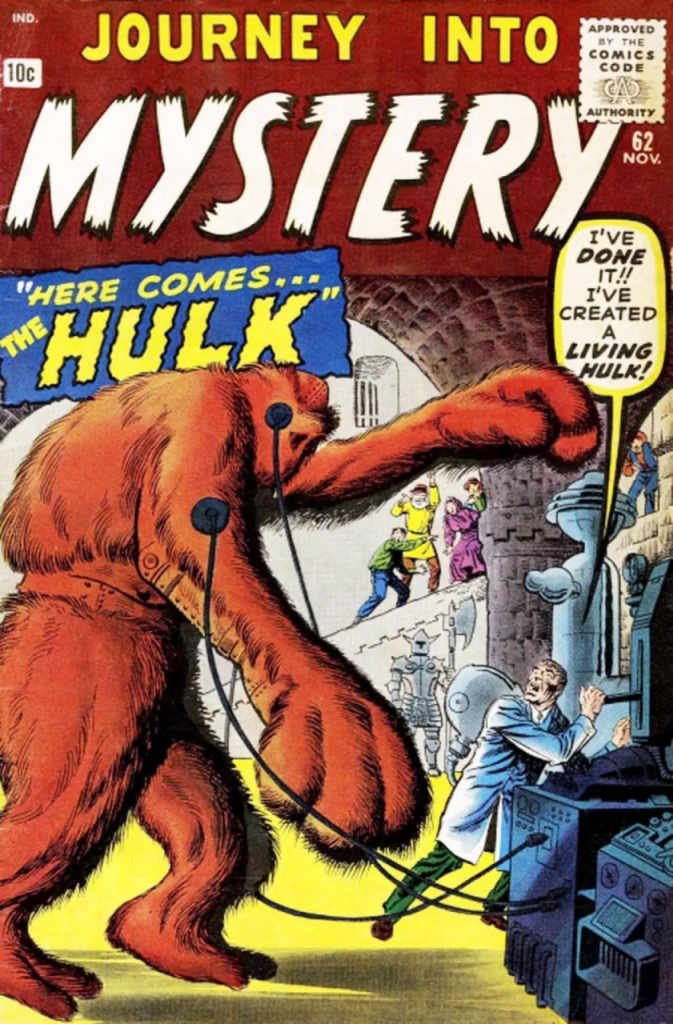
All the while, romance, western, horror and science fiction titles kept flowing onto the racks from Marvel — Journey Into Mystery and Amazing Adult Fantasy among them.
In the stretch just before Fantastic Four arrived, those science fiction books — Tales to Astonish, Strange Tales and Tales of Suspense included — were crawling with giant monsters. Atomic radiation had spawned a good number of them. The rest had come from beyond our planet.
Then, in 1960, one of those alien warlords turned up carrying a name readers would later know very well.
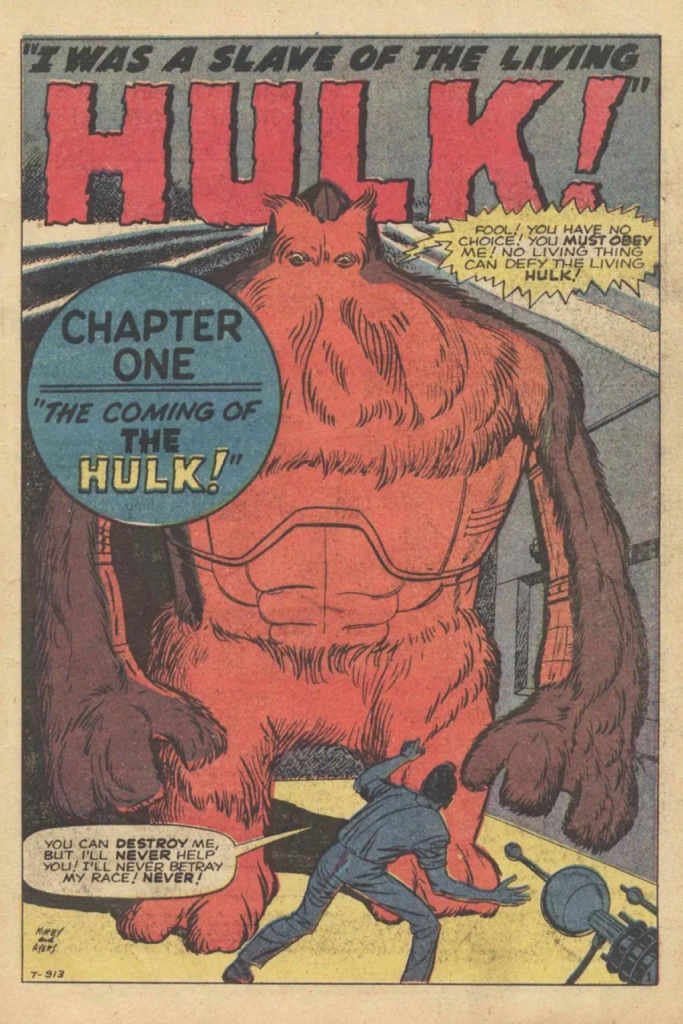
The story was literally called “I Was a Slave of the Living Hulk”
Lee and Kirby created Xemnu for Journey Into Mystery 62, published in 1960. The character is an alien despot whose own people exiled him, and he lands on Earth armed with hypnosis and zero reluctance to deploy it. The entire population gets brainwashed.
A single man isn’t fooled. He throws everything he has at stopping Xemnu — and succeeds. The alien bolts off the planet.
Taken at face value, it reads as ordinary Silver Age fare. Except the Silver Age unfolded during the Cold War between the United States and the former Soviet Union, with “mutually assured destruction” looming over daily life.
The American public feared Soviet operatives sneaking in and swaying the country toward communism. Xemnu’s first outing aims directly at that anxiety.
What really lingers, though, is the name Lee and Kirby chose for him. The Hulk. The tale is titled “I Was a Slave of the Living Hulk.”
He had the name first and lost it anyway
Two years separate Xemnu’s arrival from Bruce Banner’s. By the time the Jade Giant came along, the alien had largely faded from memory — an opening Marvel seized, with Lee and Kirby passing the name over to Banner.
What followed was a new legend. But Xemnu was never actually gone.
Down the line, other creators studied this discarded Silver Age monster and spotted potential. Since “the Hulk” was off the table by then, he was rebranded “the Titan” — a name that has held ever since.
Once he came back, Xemnu crossed paths with the Defenders and She-Hulk. Those run-ins were largely played for laughs. He was a silly artifact of a lighter era, and the comics wrote him that way.
Then Al Ewing put him on children’s television
It was on the Immortal Hulk run that writer Al Ewing and artist Joe Bennett delivered the most unsettling Xemnu anyone had seen.
The Titan partners with Roxxon on a children’s program, and that program hypnotizes humanity into obedient consumers. The setup echoes his 1960 debut, reassembled with the unnerving elements cranked way up.
Because this time, controlling people isn’t the extent of it. Xemnu devours them — body and mind alike.
Bennett, for his part, shields no one from the imagery. Every horror Xemnu commits is rendered on the page.
Nobody has topped it since
The character has surfaced in various corners of the Marvel line in the years after Immortal Hulk, yet hardly any of those stories approach what Ewing and Bennett constructed. They grabbed a “ridiculous” leftover from an easier time and made him shine.
He’s available right now, brimming with possibility, waiting on the next writers and artists to take another swing at him.
Bruce Banner’s audience always dwarfed this Hulk’s. Even so, he’s a terrific character — one that deserves a seat among Stan Lee’s finest creations.
A white-furred alien parked on a kids’ TV set, beaming into the camera, devouring the people who tune in.