

In Brief:
- Rock Wall arrives in Might & Magic Fates on July 20, widening the tactical toolkit available to players.
- Playing it hands the opposing side two defensive creatures, throwing their board plans into disarray.
- The release feeds into dynamic gameplay and pushes deck adaptations within a competitive setting.
New card adds tactical depth
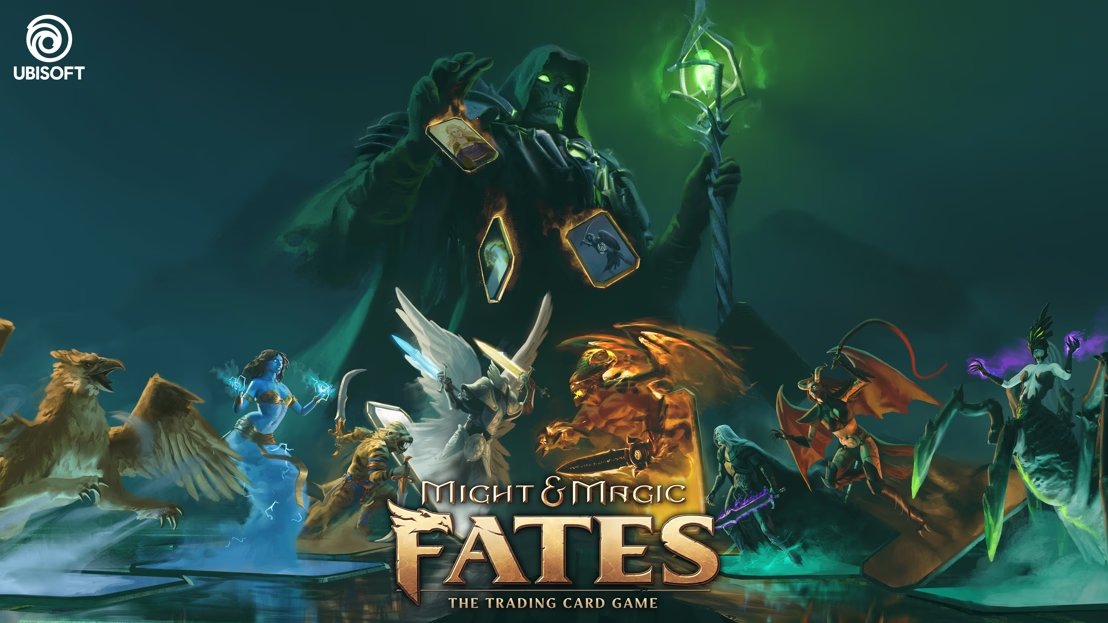
July 20 marks the debut of Rock Wall in Might & Magic Fates. The card is meant to open up fresh strategic lines by folding a defensive, disruptive element into matches.
Costing 4, the spell places two 0/2 Rock Wall creatures on the opponent’s side. They are incapable of attacking, and their purpose is to deny opponents effective use of their board space — a wrinkle that forces anyone trying to dictate the pace of a game to think twice.
Understanding Rock Wall’s impact
Board control is where the card earns its keep. A player already holding the initiative can drop Rock Wall to jam up an opponent’s slots, making it harder for them to bring out further creatures. That focus on board management turns the card into a strong companion for tempo plays.
Because the summoned Rock Wall units carry the Protector keyword, they inflict no damage and instead function as roadblocks. Those barriers let players steer the flow of turns and squeeze opponents into awkward spots.
Importance of card rotations
Rock Wall’s arrival fits into how Fates keeps its competitive scene lively. The title’s card rotation system cycles cards in and out over time, moving the meta and prompting players to rework their decks. One disruptive card can be enough to spark new archetypes and counter strategies.
Given that tempo and positioning sit at the heart of its mechanics, Fates gives players room to rethink deck construction, especially in matches decided by narrow margins. Knowing the right moment to play Rock Wall will matter for anyone chasing a competitive edge.
About Might & Magic Fates
A free-to-play strategy card game from Ubisoft, Might & Magic Fates takes place inside the long-running Might & Magic universe. Battles unfold across the Sea of Fates, a place where timelines meet and well-known heroes and factions fight for control.
Heroes and tactical choices matter more here than luck or spending. Fates also swaps the usual mana for a gold-based resource system, which tightens resource management considerably.
Cross-platform accessibility and web3 options
Full cross-play and wide platform coverage are part of the package. The game arrived on mobile in early 2026 and followed on Steam on February 16, 2026, in a bid to reach as many players as possible. Some cards and access keys exist as NFTs, but competing does not require them, which keeps the playing field level.
Ubisoft has stated that nothing in the web3 layer grants a competitive edge, leaving players free to concentrate on skill rather than acquiring NFTs.
Ongoing content updates
Shipping Rock Wall is another example of the regular content updates Fates has delivered since launch. Competitive ladders, community events and tournament pilots are already pulling the meta in different directions, and the studio wants to keep things feeling fresh. Card trading, made possible via Immutable, likewise lets players interact with assets without upsetting game balance.
Once live, Rock Wall opens the door to new control-oriented tactics and adds a further strategic layer for the competitive crowd. “Are you ready to put it to the test?” the studio posed, signaling anticipation for how the community will adapt.