

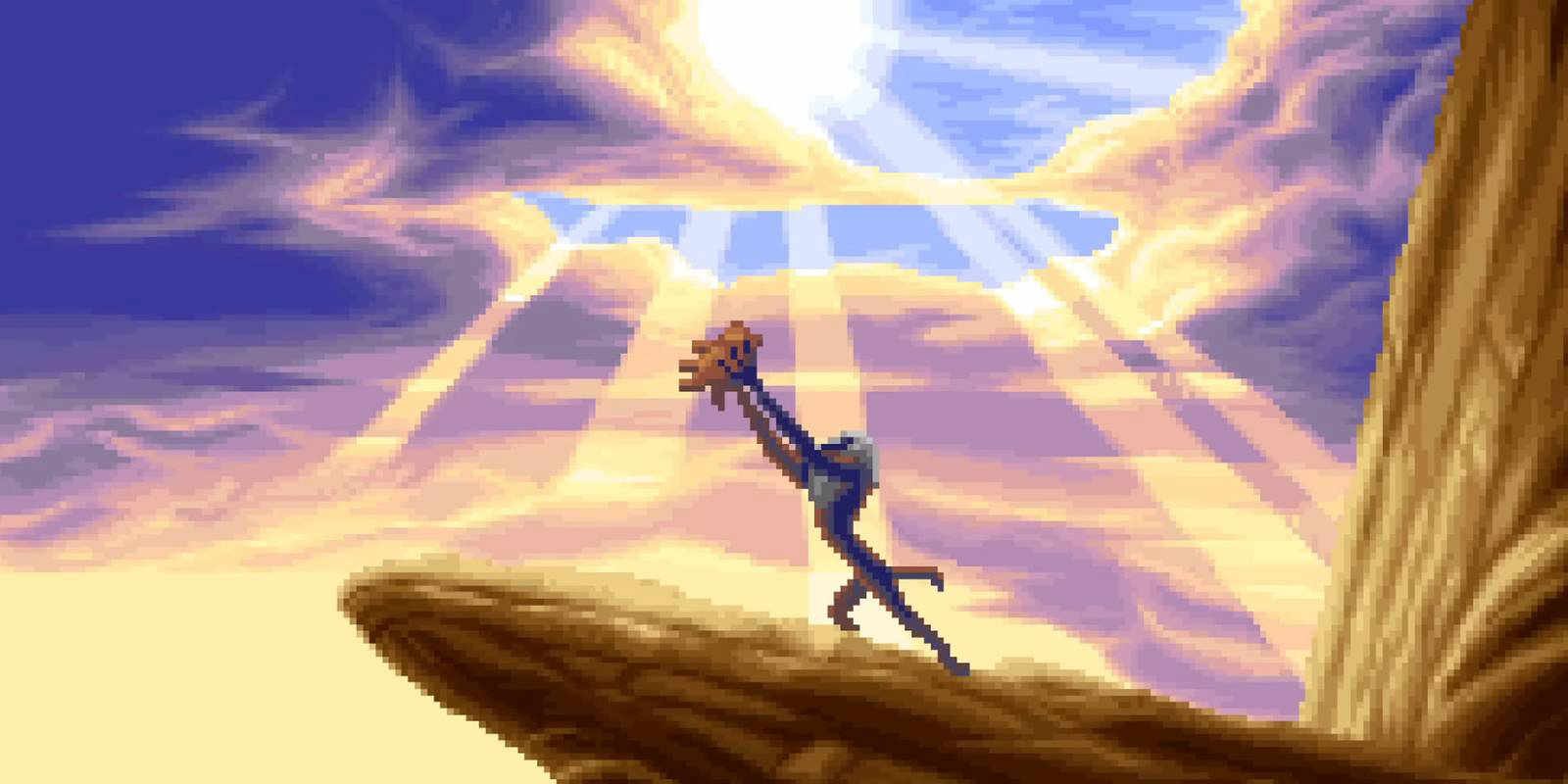
Hard was the point with The Lion King. Not challenging — hard. Disney reportedly leaned on its developers to raise the difficulty, on the logic that a kid who couldn’t beat the game over a weekend was a kid whose parents rented it a second time.
One anecdote, and it explains the whole decade. Difficulty wasn’t always a design philosophy back then. Sometimes it was a business model.
By some measures the ’90s were the softer decade, gentler than the ’80s that preceded them. Castlevania and franchises like it gradually dialed their brutality down. But plenty of releases ran the opposite way, delivering ordeals that only prodigies or masochists ever finished. Below are 10 of the worst offenders, counting up toward the cruelest.
10. The Lion King made kids cry on purpose
What makes it a trap is the packaging. A tie-in built around a cartoon about a lion cub has no business hurting anyone.
It hurts anyway. Level one is a gentle walk through the grass and causes nobody any trouble. Level two is where the truth arrives — and it’s where a shocking number of players quit for good, never once seeing Simba reach adulthood.
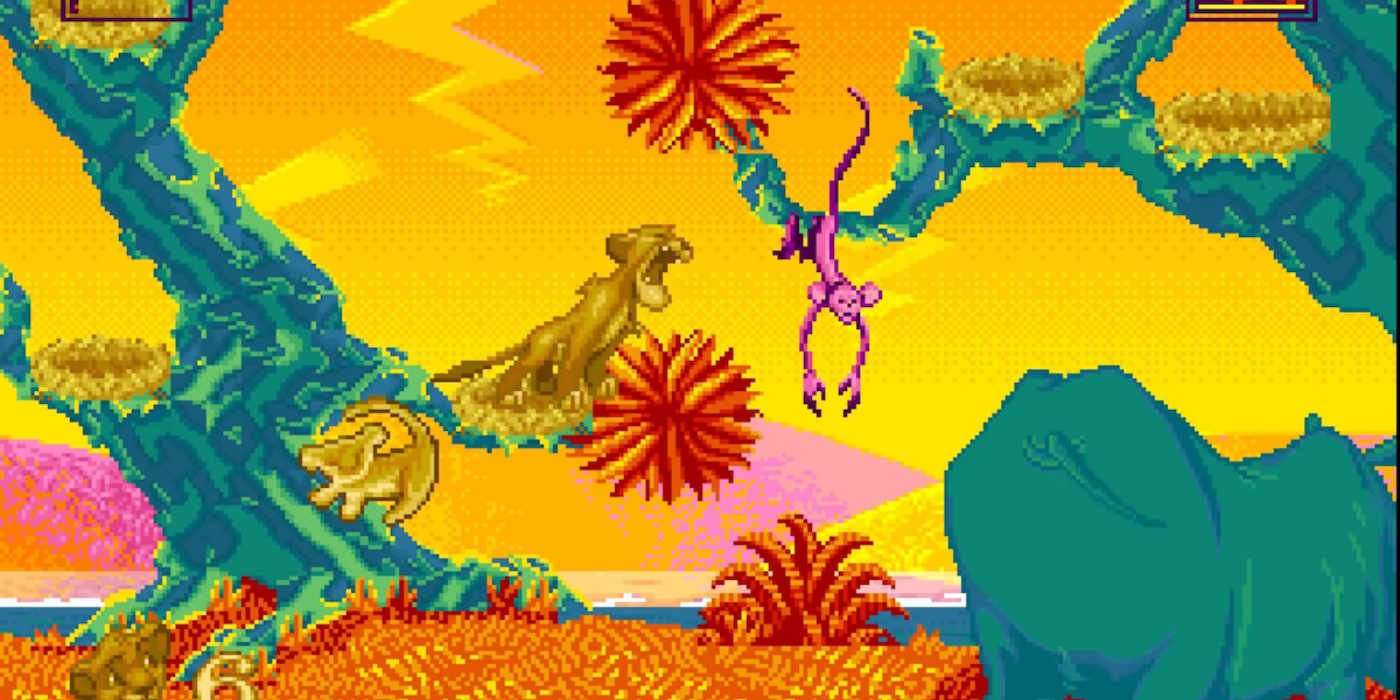
Nothing here is the toughest game on the list. It may well be the one that broke the most children, and that’s an achievement of its own sort. The Genesis Aladdin has bite as well, but it barely registers alongside this.
9. Driver put the boss fight in the tutorial
A tutorial is normally there to teach. Driver‘s is there to weed you out.
You open the game in a parking garage, where a run of exact stunt maneuvers stands between you and the rest of it. Plenty of players never got past that garage — that was their whole experience. They’d paid for a game about being a getaway driver and received a driving test they flunked.
Search the sequence up now and you’ll clear it. Back in 1999, with no walkthrough anywhere near you, that tunnel had no light at the far end.
8. Jet Force Gemini demands perfection from you and your allies
Nobody went to the N64 looking for a difficulty fix. This one qualifies on a technicality that stings more than any boss does.
As a shooter it’s unremarkable, sitting roughly where GoldenEye sits. The control scheme is another story, and anyone coming to it fresh today will find it genuinely alien.
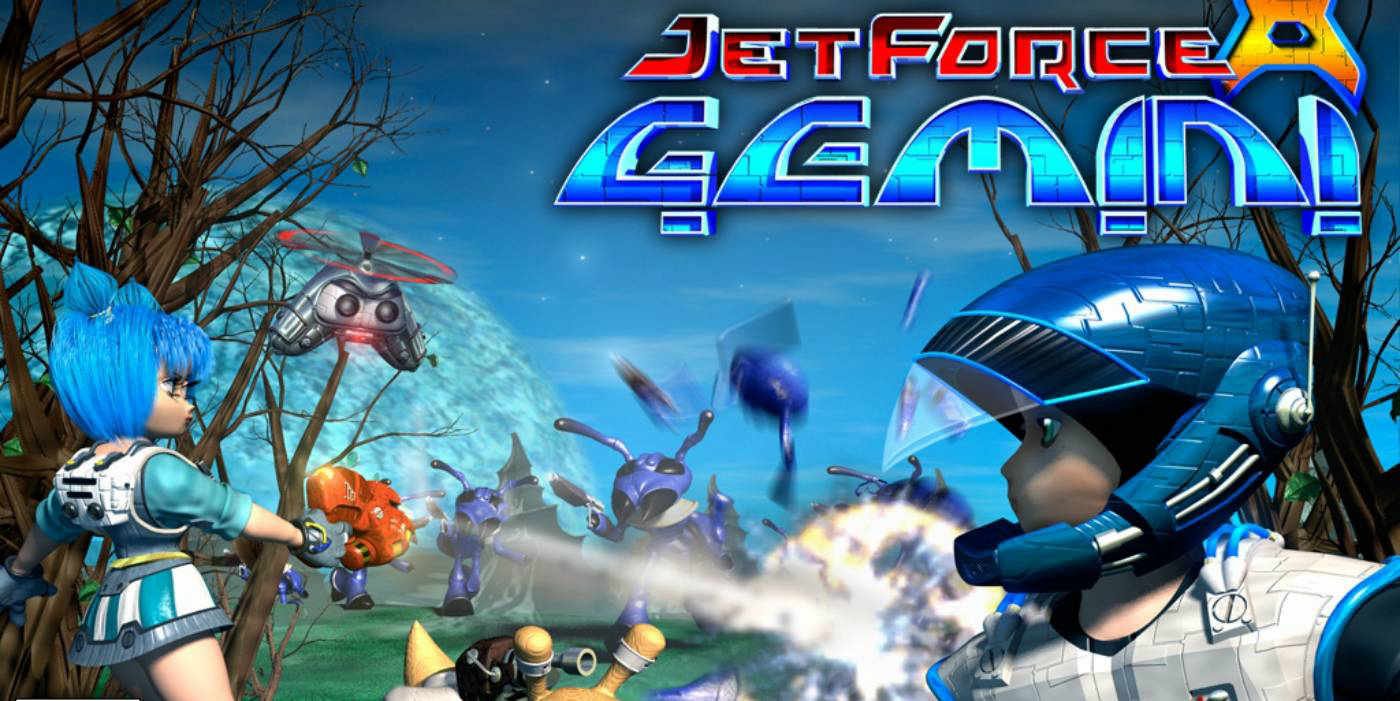
The genuine problem comes later. Seeing the ending means rescuing every last Tribal spread across the game, with not a single casualty allowed. Contemporaries in the collect-a-thon genre treated completionism as a bonus. Here it’s the entry fee — and once you’ve paid it, a hard boss fight is still standing there waiting.
7. Rayman is a mascot platformer with a mean streak
The Rayman games of today make for a pleasant afternoon. The original does not.
The disguise is flawless — cartoon characters, bright stages, the entire friendly bundle. And then it turns sadistic.
Credit where it’s due: the controls are good, which sets it apart from the many platformers of the period that were difficult purely by accident. This cruelty is on purpose. Platforms that slip out from under you, levels that go on forever, and barely any spare lives to break your fall. It doesn’t take long to realize you’re in for a slog.
6. Riven is hard and, unusually, fair about it
Nothing to fight. Nothing to jump over. Still a brick wall.
Demanding is the baseline for a Myst game, but the way Riven refuses almost all guidance may represent the series at its most difficult. It gives you a world and leaves you to think your way out of it.
Individual puzzles elsewhere in ’90s adventure gaming get nastier, and Myst 4 contains moments beyond anything here. Riven‘s distinction is that it’s well designed. The difficulty comes from what it asks of you rather than from anything broken, and that buys it a pedestal the rest of this list will never stand on.
5. Super Empire Strikes Back doesn’t fight clean
Super Star Wars had already converted A New Hope into a punishing ordeal. Sculptured Software and LucasArts surveyed that result and concluded it wasn’t enough.
Continuing directly from where the first game stopped, the sequel drops Luke into deeper trouble. Jumps taken blind, hits that come from nowhere, deaths that read as the game cheating rather than you falling short.
It’s also the superior game. Sharper mechanics, a more polished package overall, and presentation handsome enough that die-hard Star Wars fans might well conclude the abuse pays for itself.
4. Shadow Tower is FromSoftware before anyone was ready
Long before Dark Souls handed that misery a fanbase, FromSoftware was already dispensing it.
Of everything the studio has released, Shadow Tower may be the most alienating. It follows the King’s Field template and gives you next to nothing. Where to explore, how to make progress, what any of it adds up to — all yours to work out. Cryptic is its steady state in a way Dark Souls never managed.
Weapon durability made its debut here too, so your gear falls apart while you’re already lost. It drew hostile reviews at launch, and plenty of players felt the same. Clunky controls and a total lack of background music are the price of entry; pay it and you get a fascinating window into FromSoft’s origins.
3. Battletoads left scars on a generation
Hang around retro gaming conversations long enough and the name comes up. It gets spoken in one of two registers — hushed reverence or flat contempt — and both are deserved.
People forget the part that matters most: Battletoads was genuinely good. Funny, gorgeous art, music that sticks, and a range of gameplay far wider than any beat-’em-up of the era had any right to attempt.
Its difficulty was in the advertising. The game sold itself as a mountain, and a slice of the audience picked it up precisely to attempt the climb.
And then the bikes. That notorious high-speed stretch drops the brawling altogether in favor of racing at a velocity nobody asked the human nervous system to sign off on. You can master it. It simply calls for reflexes most people were not issued, and the only other option is running it again. And again.
2. Contra: Hard Corps was made crueler on the way to America
Tough but learnable is where the first Contra landed. Patience carried you to the end.
Then came the ’90s. Contra 3 is brutal, and the Genesis release Contra: Hard Corps departed for somewhere else entirely.
Konami ran the same play it had run on Castlevania 3, shipping a US version harder than the Japanese one. Out went the strongest cheat codes. Worse still, the health bar gave way to one-hit deaths, and every stage became a nightmare as a result.
After a fun Contra? Go for the Japanese version. After pain? You already know which box to pick up.
1. Super Ghouls ‘n Ghosts never once lets up
This is the series the name was built on, and the SNES installment honors that inheritance without a shred of mercy.
There is no on-ramp. The opening level is already telling you what it thinks of you, and from there the game’s foot never leaves the floor.
Enemies pack out every stage, and packed in among them are cheap tricks and vicious traps that make the original Dark Souls resemble a walk in the park. Committing all of it to memory carries a grim satisfaction — learning where every death lies in wait and sidestepping it on attempt number 40.
Only a saint has the patience to reach the end. Arthur sheds his armor to a single hit and finishes the level in his underwear, which is the game spelling out precisely how much dignity it intends to leave you holding.