


Two dollars per gigabit. That figure sits inside a Korean supply chain report, and it explains why the iPhone you buy next could cost more than the one you already considered overpriced.
According to the reports, Apple has signed off on paying Samsung around $2 per gigabit for LPDDR5X RAM and roughly $0.33 per gigabit for NAND storage from the first quarter of 2027. Samsung’s third-quarter 2026 rates were $1.50 and $0.26 per gigabit. That is not a rounding error.
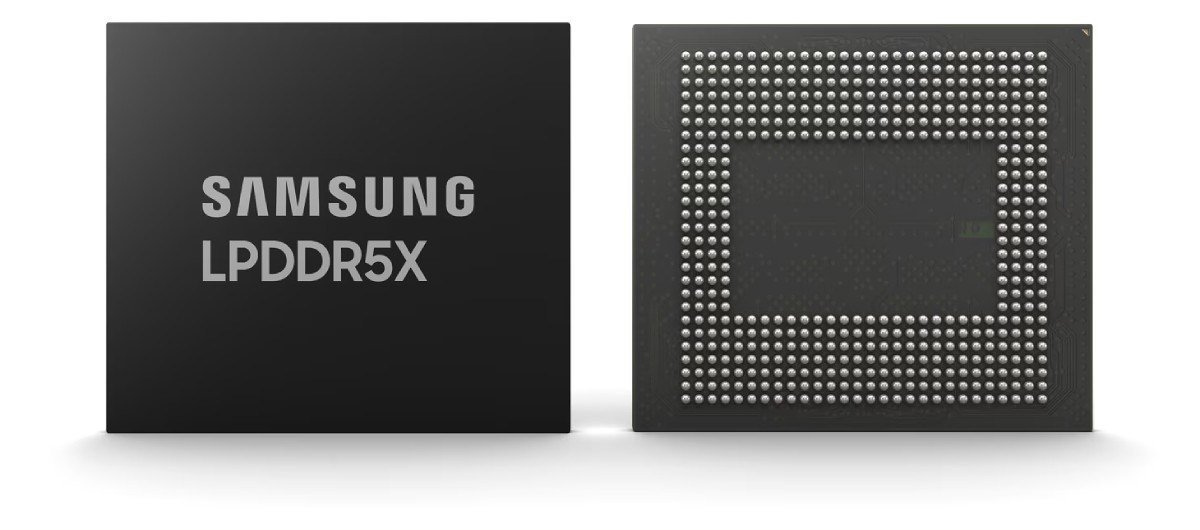
Few parts inside a phone track the spec sheet as directly as memory does. Hundreds of gigabits of NAND separate a base model from a fully loaded one, so any shift in the per-gigabit rate hits the highest-capacity configurations hardest.
The first increase has already hit your wallet
None of this is a distant hypothetical. The iPhone 18 Pro and iPhone 18 Pro Max launched at higher prices than last year’s equivalents, and the change applied across markets.
American buyers pay $100 more than they did for the iPhone 17 Pro and 17 Pro Max. Greek buyers saw a rise of about 100 euros, which works out to roughly the same adjustment once VAT and currency are factored in.
The flagship tier wasn’t alone either. The iPhone 16, old enough that its price would normally be easing downward by now, climbed instead. Conditions in the hardware market drove it there.
That detail deserves a moment’s thought. Older iPhones becoming pricier runs against how this product category has behaved for nearly its entire history.
Samsung is at the table with everyone, and some walked away
Several manufacturers have been in discussions with Samsung about revised DRAM and NAND rates. Apple was among them, and the reports say the two sides have landed on a new agreement, with Apple accepting the terms.
Oppo and vivo went the other way. The same report says both rejected Samsung’s higher pricing, with no additional detail on how that impasse plays out or when it breaks.
The divide says a lot about bargaining power. A memory increase is something Apple can swallow and forward to customers who have shown again and again that they will pay it. Brands fighting over price in markets where $50 settles a purchase have far less room to manoeuvre.
What it means for a 2027 iPhone in practice
No price has been confirmed by anyone. What the reports pin down is Apple’s expected component spend, not its retail figures, and those two numbers are decided in separate rooms.
Still, component costs are rarely absorbed in silence, and Apple demonstrated this cycle that it is prepared to raise the number. The $100 bump on the 18 Pro sets the precedent, and it arrived before this agreement even kicks in.
Should the pattern repeat, the squeeze will surface first on the models packing the most memory. Read that as the Pro and Pro Max, and in particular the 512GB and 1TB tiers, where the upgrade steps are already at their steepest.
The calendar leaves room to act
Because the revised pricing kicks in during the first quarter of 2027, anything manufactured and sold before that date is covered by the previous component deal.
So if your current iPhone is still going strong and you intended to squeeze another year or two out of it, the maths has shifted. Historically, holding off bought you a better handset at the same price. This time it could mean an identical handset at a higher one.
The counterweight is that none of this is locked in publicly. Supply contracts get reopened, memory pricing runs in cycles, and a Korean report describing Q1 2027 terms still concerns something more than twelve months away.
Pay for the storage today, not tomorrow
The practical takeaway is simple. Buying an iPhone within the next few months and torn between capacities? Go with the bigger one.
Of everything on the configuration page, storage is the line most exposed to a NAND increase, and it is also the only choice you cannot revisit later. The distance between tiers will probably never look this affordable again.
And if Oppo and vivo stand firm while Apple pays the premium, 2027 could see the gap between a flagship iPhone and a flagship Android stretch wider than it has in years.