































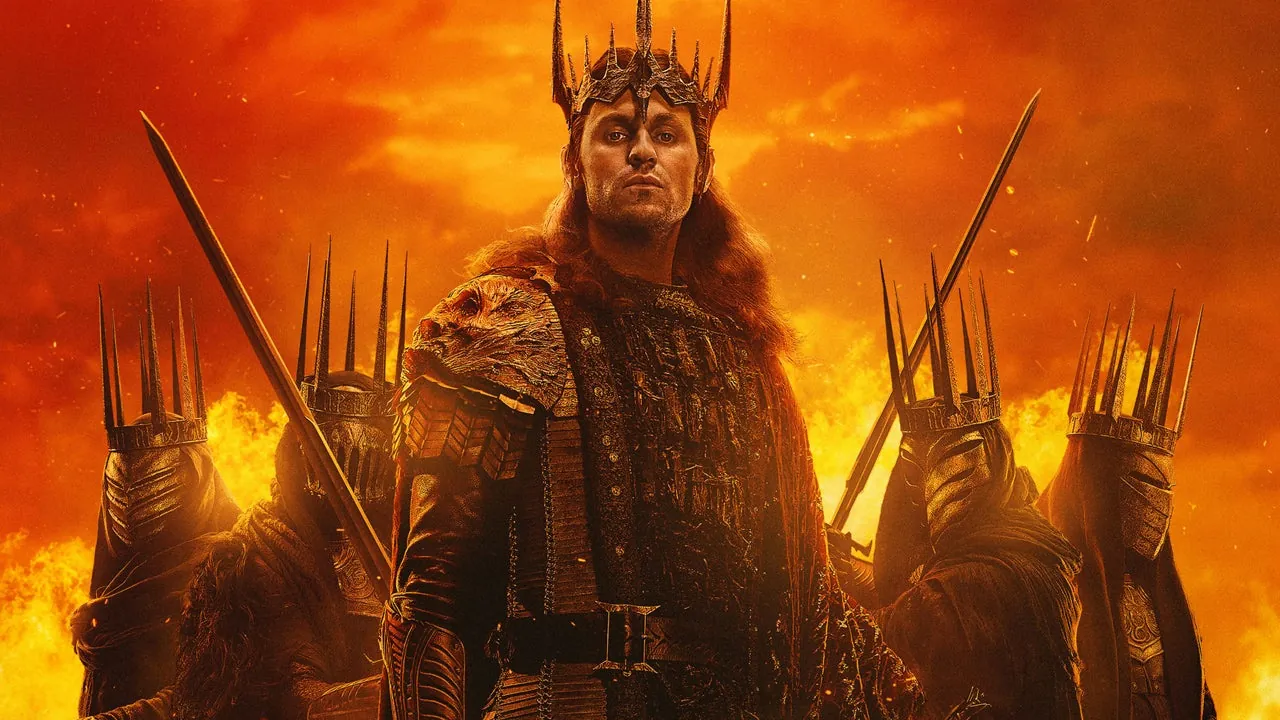
This piece contains spoilers for The Rings of Power Season 3, Episodes 7-8.
After a full season of working toward the One Ring, Sauron’s smartest play turns out to be deception. “The Doom of Men” is the Season 3 finale of The Lord of the Rings: The Rings of Power, and it ends with him coming out ahead through guile. Trickery has always been his most reliable weapon.
The ending also leads into Season 4, which has just been announced and promises that Sauron hasn’t done his worst yet. This season pulled a struggling show back on track. Most of its final two episodes go toward laying groundwork for what comes next.
One devil bargains with another
“Orodruin,” the second-to-last episode, gives viewers the scene the whole season was aimed at: Sauron forging the One Ring with the Balrog’s help. Simon Pegg voices the Balrog.
A devil cutting a deal with a fellow devil is an entertaining premise. The casting goes to waste, though. Pegg’s voice has been run through so much processing that any ol’ actor could have filled the role.
Episode 7 also gets the rest of the cast where they need to be. Míriel rejects Elendil and proceeds with her marriage to Pharazôn, bringing the Númenóreans together. Durin and his family are exiled from Khazad-dûm, though they take with them one of the rings handed to the Dwarf-lords. That’s the final appearance of the Dwarves this season. They don’t show up in the finale.
A quick end for the wizards
The Gandalf and Dark Wizard thread is resolved in the finale when Pallando sacrifices himself to save Gandalf. It’s a textbook Heel-Face Turn capped with a redemptive death. Gandalf breaks the ring’s hold on his old friend. By the look of it, Pallando wore the ring for roughly one evening before Gandalf tricked him into giving it up, which left just enough time for a nod to Gollum's “my precious.”
The battle between the wizards and Nazgnagôl is awkward, and the wire-work is obvious. It at least lets Gandalf and Pallando spend a few minutes fighting together as allies. Still, Pallando has eaten up plenty of screen time across two seasons, and this rushed payoff doesn’t earn it. The one tangible outcome: his death releases his followers, which costs Sauron a large share of his army.
Sauron is at his best in the quiet moments
The finale peaks when Sauron tests whether Gandalf can be turned. The sequence echoes The Last Temptation of Christ, with dominion over Middle-earth on offer if Gandalf will only submit.
Sauron also briefly conjures an illusion of Nori Brandyfoot (a cameo from Markella Kavenagh) to deceive Gandalf, and that trick lands as well. Viewers hoping for Nori’s real return can drop the idea. It’s a ruse, and it’s over fast.
On the night before the Númenórean soldiers will likely die, Elrond invokes the memory of his brother to give them some hope. It’s a nice touch. Pharazôn shows a flash of humility and seeks counsel from Galadriel and Celeborn, although the pair’s relationship problems still haven’t become interesting. His hubris then reasserts itself.
The ring lands with a whimper
Season 3 gave a floundering series fresh interest and creative focus, but it couldn’t sustain that spark. The season follows the sequence of Second Age events set out in J. R. R. Tolkien’s appendices. Viewers unfamiliar with that history may feel it’s a bait and switch: so much buildup around the One Ring, and the payoff is more whimper than bang.
The final pair of episodes function as table-setting for the next season or two. An emotionally satisfying resolution isn’t part of the package.
The destination is already visible. As Sauron surrenders, the Elves foresee the Doom of Men, a sign that Season 4 will close with the Fall of Númenor.