

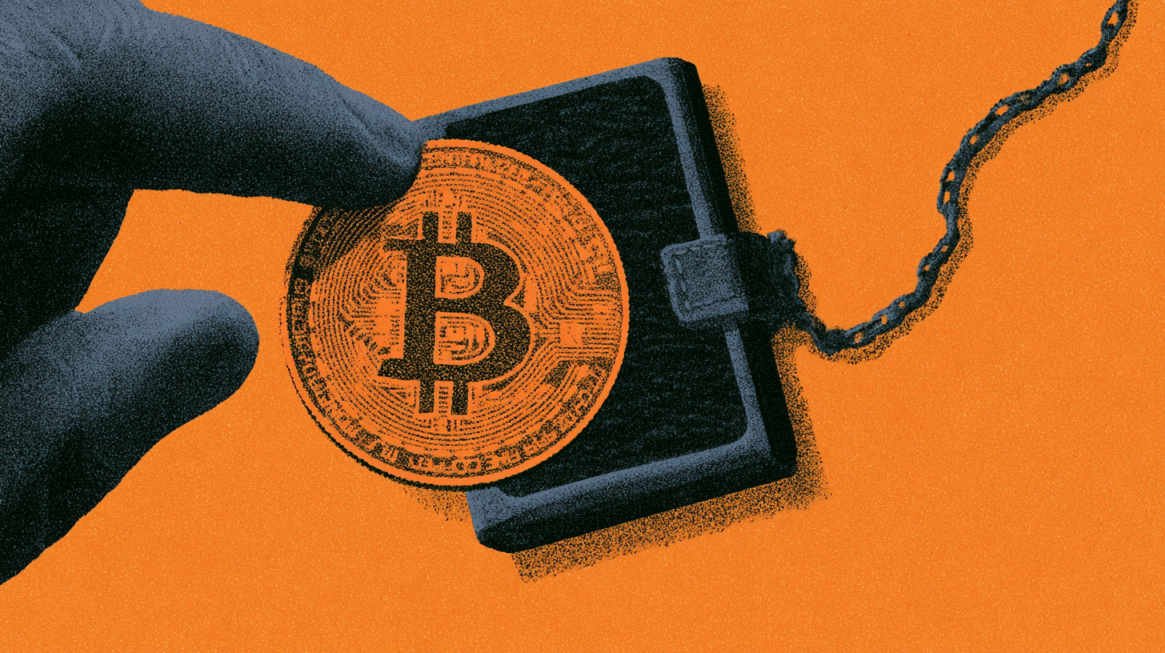
On Tuesday, a wallet that had left its Bitcoin untouched since 2013 sent all 500 coins out in one transaction. What it paid to do so: 191 sats. Twelve cents to shift $31.8 million.
That is the detail worth pausing over. A holding worth roughly $32 million at current prices, frozen in place for 12 years, walked out the door for less than a stick of gum costs.
Why this particular move drew eyes
Ancient addresses stir to life constantly. The difference here is the timing — it happened in the middle of something else.
Lookonchain posted the transfer on X, and Bitcoiners seized on it because of the Coldcard wallet drainage under way right now. The theory doing the rounds was that the HODLer was relocating funds to safer ground.
But that is guesswork, not evidence. The chain records the transaction. It says nothing about why.
The Coldcard tally keeps rising
Last week, attackers began siphoning more than $35 million in Bitcoin out of wallets after uncovering a flaw in the software behind the Coldcard product.
Galaxy Research now puts the possible total at $130 million, and said on Monday that it was looking into a fourth round of attacks.
Four waves, inside roughly seven days. Over the same stretch, the estimate has almost quadrupled.
The most worrying line came from Coinkite itself
Coinkite, the maker of Coldcard, stated on Sunday that every one of its models was now exposed after further thefts came to light.
Not a single production batch. Not one firmware release. Every model.
Engineers have cautioned that any Bitcoin address tied to a Coldcard may end up at risk. For anyone storing coins on one, the guidance circulating in Bitcoin circles is to migrate them to a fresh security setup.
Dormant is not a synonym for lost
Bitcoin that stays motionless for years is routinely written off as lost. Retail investors misplace the private keys to their digital wallet, and the balance simply lingers there indefinitely, a monument to one bad password decision.
Whales, though — an investor or group of investors sitting on more than 1,000 Bitcoin — do sometimes shift funds after long silences. Markets tend to wobble when they do, since other holders interpret the movement as a large sale in the making.
Frequently it is nothing of the sort. Whales also move Bitcoin onto a hardware wallet or simply consolidate their coins.
What that fee actually signals
Most coverage glides past the 12-cent fee, yet it is the hardest piece of evidence available. Sending the entire balance in a single sweep, at that price, looks like consolidation rather than panic.
Whether the owner was responding to the Coldcard situation or just tidying up after 12 years, nobody outside that wallet can say. What is on the record is the $130 million estimate, the fourth wave under investigation, and a manufacturer telling its customers that every model it sells is exposed.
If a Coldcard holds your coins, that final point is the real story — and the whale is the sideshow.