

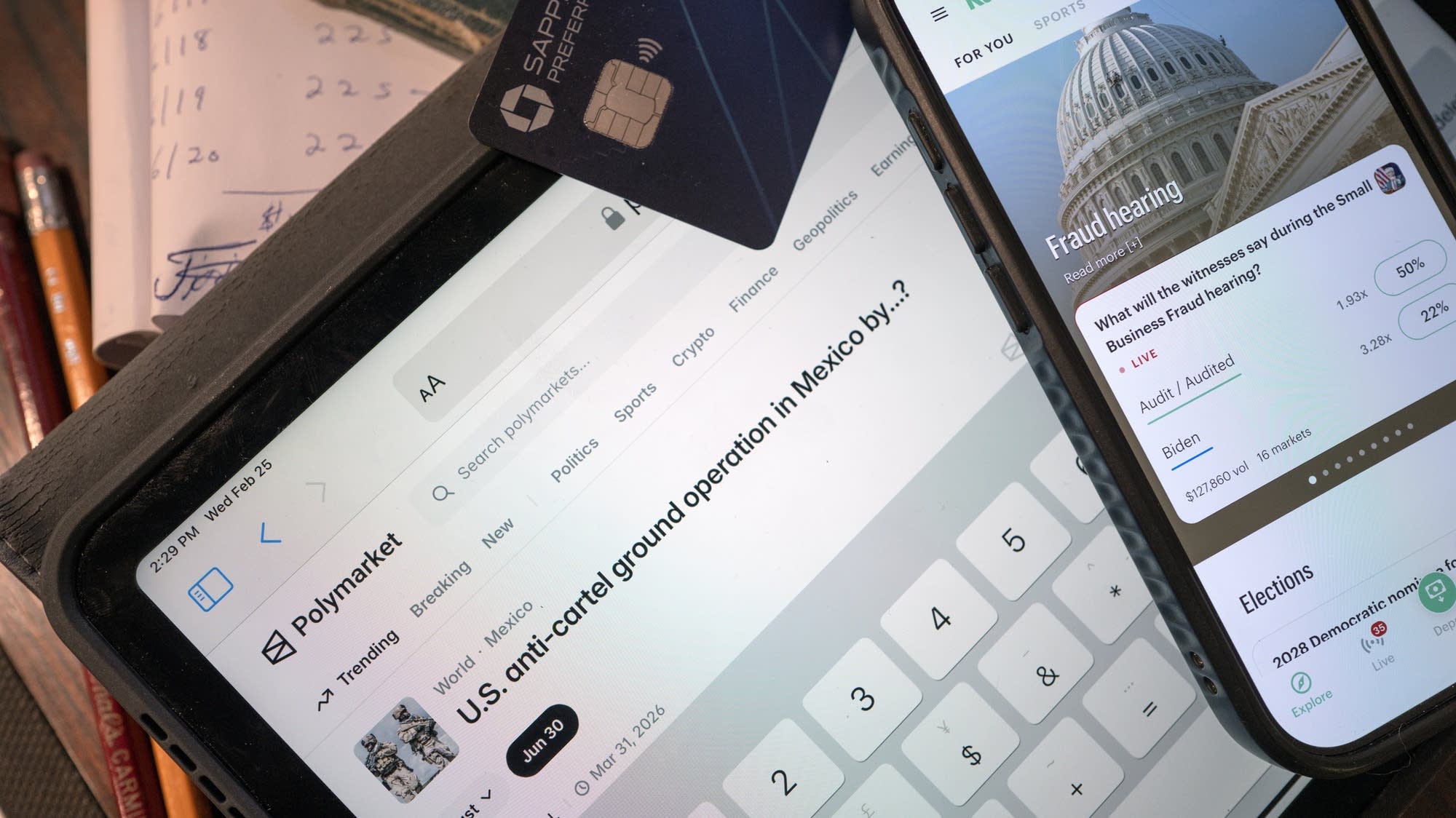
In three of the main midterm contests, polls and prediction markets picked the wrong outcome, and in most of those cases they were wrong in the same direction. The night’s two largest Senate upsets got almost no attention from either markets or pollsters.
That’s what the results of this year’s “blue wave” election show. Users on X (formerly Twitter) have been debating since the returns came in whether Kalshi, Polymarket and similar platforms outperformed the polling models. A race-by-race review won’t end that debate. What it does reveal is where markets contributed something and where they had nothing to contribute.
Three races where everyone missed
The gentlest example is Wisconsin’s First House District. Democrat Mitchell Berman unseated Rep. Bryan Steil in a race that polls and prediction markets alike rated a dead heat on the Friday before Election Day. Treating a coin flip as a coin flip hardly counts as getting it wrong.
Alabama’s Second House District is tougher to excuse. In the redrawn district, both polls and prediction markets had challenger Rhett Marques in front, yet Rep. Shomari Figures won. The two signals matched, and neither was right.
Iowa was the only race where markets and polls disagreed. Prediction markets favored Rep. Ashley Hinson, while the polling average showed a 50/50 race. State Rep. Josh Turek beat Hinson and flipped the Senate seat. In this case the polls came nearer to the outcome, and bettors put more confidence behind the losing candidate.
Across the other main races followed for this story, polls and prediction markets both backed the candidate who went on to win.
The upsets nobody had a line on
The larger shocks happened in contests that hardly showed up in either source.
Polymarket’s Senate contract in Mississippi had incumbent Republican Cindy Hyde-Smith as the favorite right up until vote totals began coming in on Tuesday night. Kalshi offered no contract on the race at all. Democrat Scott Colom took the seat.
South Carolina got even thinner coverage. No Senate outcome contract existed on Polymarket or Kalshi. Polymarket did offer a parlay on who would win the Senate races in Montana, South Carolina and Mississippi, but a wager on a combination of results says little about any one of them. Democrat Annie Andrews won. Spokespeople for the two companies did not answer questions about these races.
The polls weren’t much help either
Conventional polling didn’t cover the gap. In The New York Times’ poll archive, the latest South Carolina survey had Senator Graham ahead by 1. The Times listed no Mississippi polls, though other sites pointed to polls with Hyde-Smith holding a narrow lead.
In both surprise flips, then, the public signal either pointed the wrong way or was close to absent. A market can’t set a price on a race with no contract. Where a contract is available, traders are drawing on the same sparse polling as everyone else.
Following the polls or leading them
That brings back the chicken-or-egg question. Did the markets track polling sentiment, or did they anticipate where it would go, as the term “prediction market” implies? This cycle’s results leave it open.
It can help to treat a market price as a gauge of confidence in a result, distinct from a gauge of how voters feel. Iowa shows the difference: polls called it a toss-up, markets leaned Hinson, and that confidence proved wrong.
The markets have found a niche four election cycles on from the 2020 presidential race, when early prediction platforms were first compared with polls. Whether that niche serves bettors or offers real insight into how races will turn out remains unclear. Anyone checking a race this cycle should first see whether Kalshi or Polymarket lists a contract for it. Kalshi had none for Mississippi, and neither platform had one for South Carolina.