

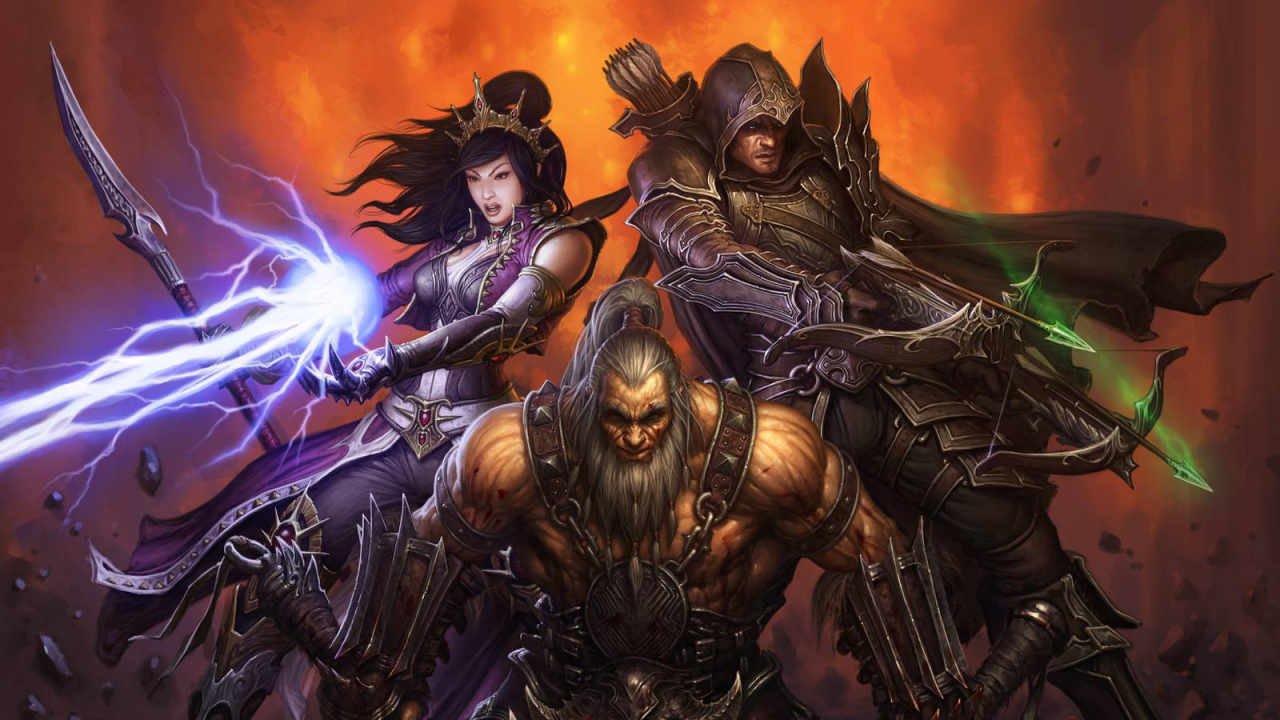
Ask around in Diablo circles and there’s one approved answer: Diablo 2. Not circles of hell — the community built around Blizzard's dark fantasy action RPGs, where the 2000 release is treated as settled law. Moodiest of the bunch, most unforgiving, still staggering in scale, unmatched for longevity, and genuinely playable today, particularly via the Resurrected remaster.
Purists can make a case for the original Diablo, but that game is a first draft and nobody truly believes it’s the superior one. Diablo 4 is too recent and too widely played to be fashionable, so the accepted stance there is grumbling about the newest balance pass or endgame adjustment.
All of which leaves Diablo 3 stranded in an odd reputational no-man’s-land.
The stink of 2012 never fully washed off
The criticism started before it even shipped, aimed at an art style deemed too colorful and not grungy enough. At launch it caught more: network trouble, a real-money auction house, tuning that simply felt off. Blizzard did eventually rescue it, thanks to 2014’s Reaper of Souls expansion and console ports that genuinely understood the assignment.
Still, those opening months left a residue. And the game hasn’t aged quite far enough — or its sequel is still too fresh — for a proper reclamation movement to gather momentum.
Yet people quietly keep playing, and they’re having a blast. I’ve been fond of it since day one, warts included. It’s on Xbox Game Pass right now, and if someone new to the series asked me where to begin, I’d send them here before Diablo 4.
The least hardcore Diablo, and that’s the point
Admittedly, part of my argument is that this is the friendliest, most generous, least hardcore entry in the franchise, and comfortably the easiest to pick up. There’s none of the stern old-school design that defines 2, nor the live-service bloat that 4 was always destined to pile on.
It feels lean. Compact, even — a faintly absurd thing to say about a game with effectively endless content that’s been running for 14 years and received active updates for 11 of them.
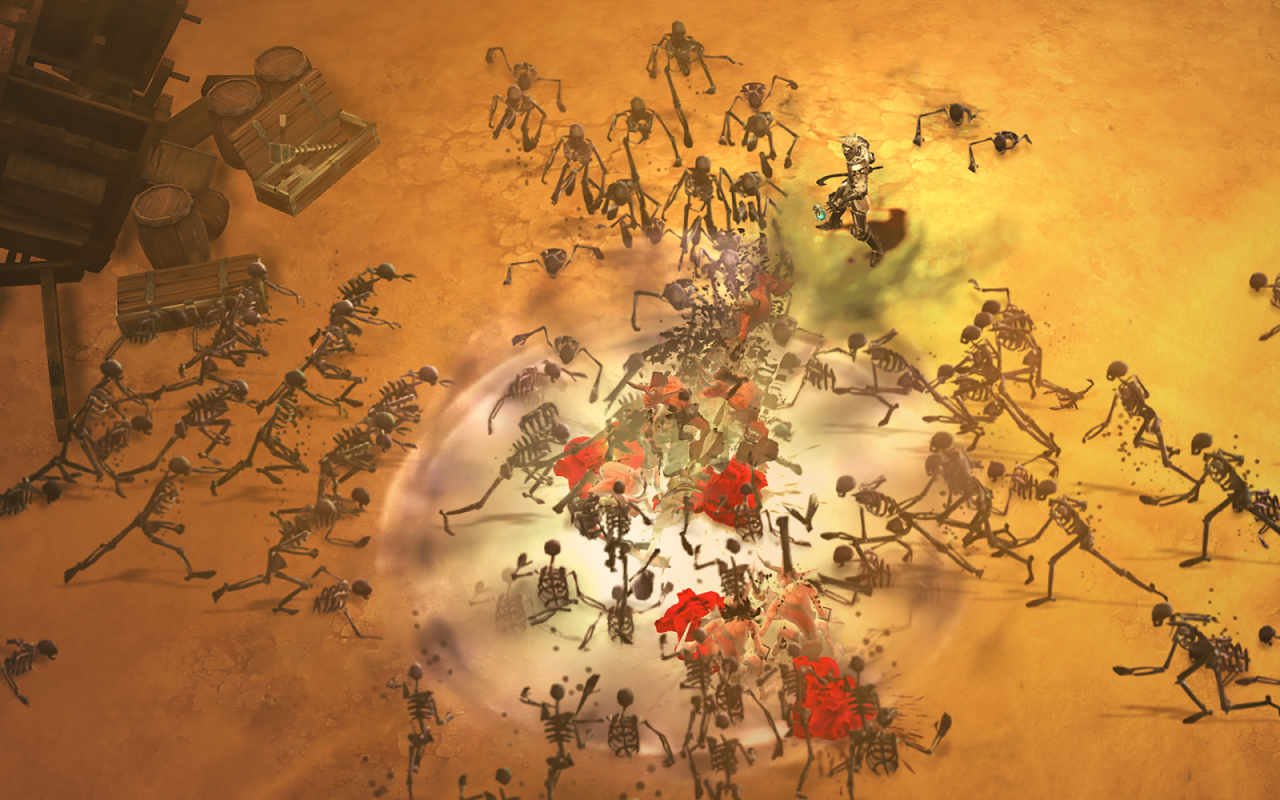
Despite its computer-RPG lineage, Diablo 3 carries an arcade instinct that slices past the stat math and shows you what’s great about it right away. Best gamefeel in the series. Most polished combat, no argument. Positioning counts, tactical crowd control counts, and you’re forced to keep moving to scoop up health drops, because you get a single health potion and it sits on a cooldown.
Second to second, it’s simply more enjoyable to play.
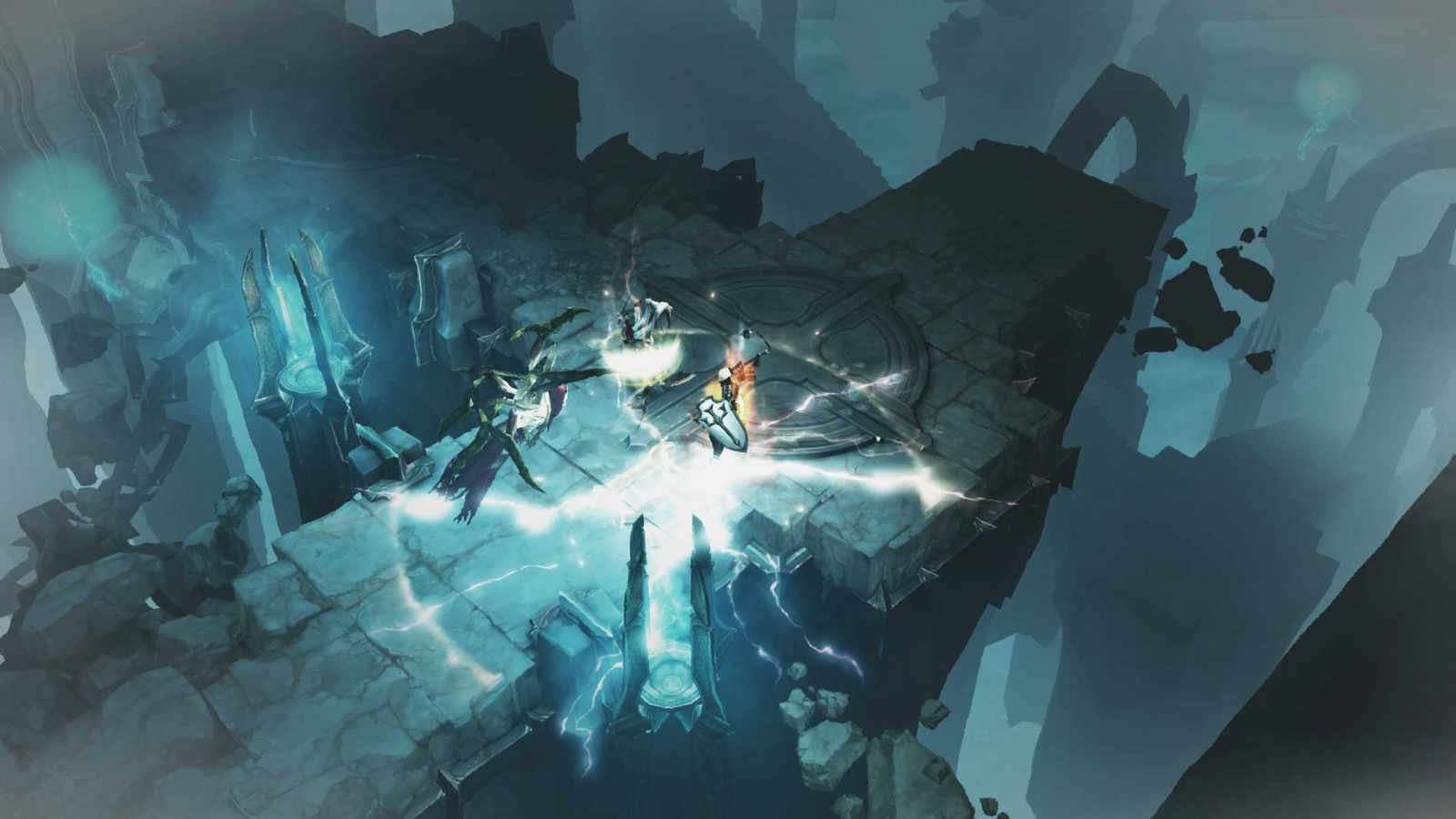
Your build should serve your loot, not the other way around
Itemization and progression will absorb as much of your attention as you’re willing to give. But here’s the sticking point for a chunk of the action-RPG crowd: builds are so fluid that the game actively resists min-maxing and theorycrafting.
Skills and the runes that modify them aren’t locked into trees full of tangled dependencies. They’re not hidden behind crafting systems either. You shuffle them with near-total freedom.
The upshot is that I don’t chase a build and then force my gear to match. I reshape the build around whatever the game drops, so my character is constantly changing how it plays. To a certain breed of ARPG player that’s heresy. To me it stays refreshing, every single time.
Tuning does a lot of heavy lifting. Every class, skill and rune has been finely calibrated by Blizzard, who remain the best to ever do it. The pyrotechnic Wizard is still the most exhilarating glass-cannon class the series has produced, and the roster is stuffed with characterful spins on familiar archetypes — the Monk, Crusader and Demon Hunter especially.
The campaign is camp, and I’m fine with that
If anything drags, it’s the story. Then again, I’ve never grasped why anyone plays these games for the plot.
What I will say is that it’s drenched — the voice acting most of all — in a boisterous, broad, high-fantasy camp that the majority of Diablo fans find irritating. Arrive in the right mood and it’s a good time. Zoltun Kulle, the ghostly mage who joins you for a stretch, chews scenery like it owes him money.
Finish the campaign and Adventure Mode unlocks: a surreal, endless remix of everything the game contains, sprinkling Bounty missions across the world map and funneling you toward runs through the wildly randomized Nephalem Rift dungeons. Monster slaughter stripped of context, with character progression climbing an exponential curve.
Four people, one couch, infinite demons
Here comes the caveat, and it hurts: everything in this section applies to the console version only, not PC.
Diablo 3 ranks among the finest local co-op games ever built. Four friends max, drop-in and drop-out with no friction whatsoever, and an interface that stays out of your way. Beyond showing up, it demands almost nothing of a team while everyone revels in the chaos.
The rhythm is the real hook. Spells of brutal monster-killing, then talkative lulls while the group sifts loot and fiddles with builds. Then straight back in.
Diablo 3 is roughly as uncool as Diablo gets, and I’ll go on defending it forever. I’m not alone, either. There are dozens of us.
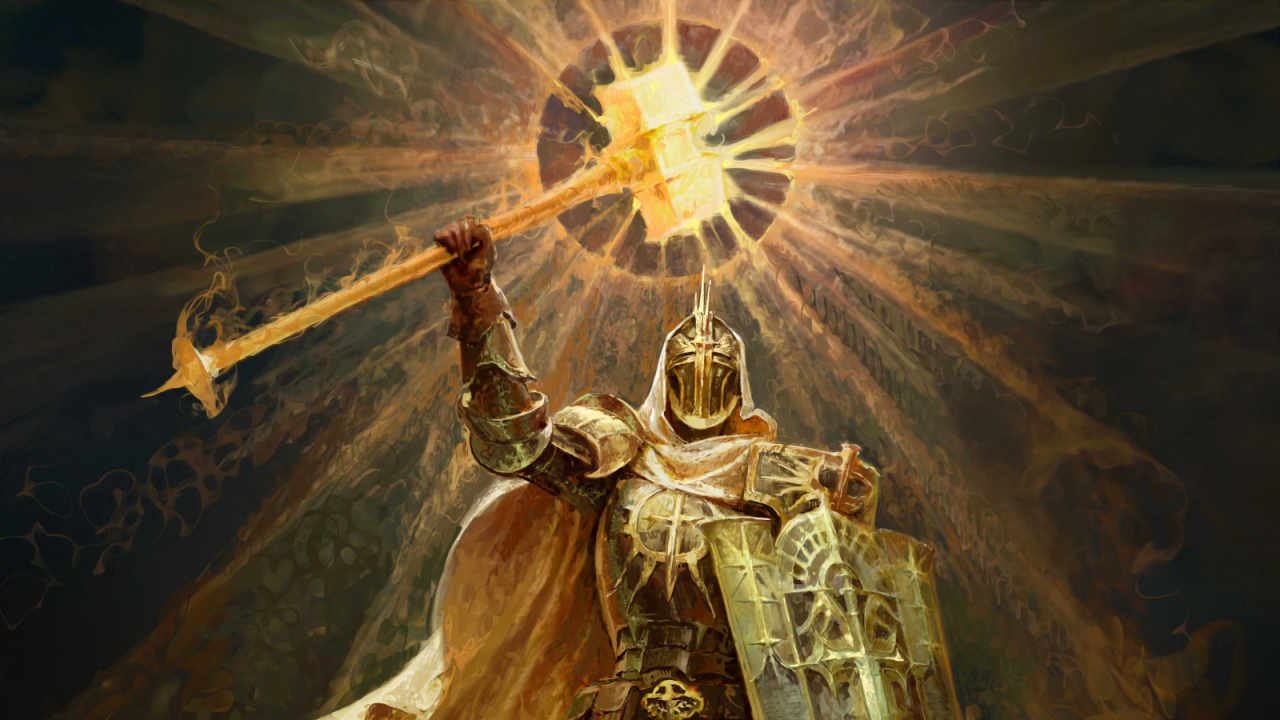
Perhaps Blizzard’s backward glance eventually settles on us and concludes we’re owed a fresh class or another expansion. Or perhaps we tell them to save the effort. Diablo 3 doesn’t need it.