

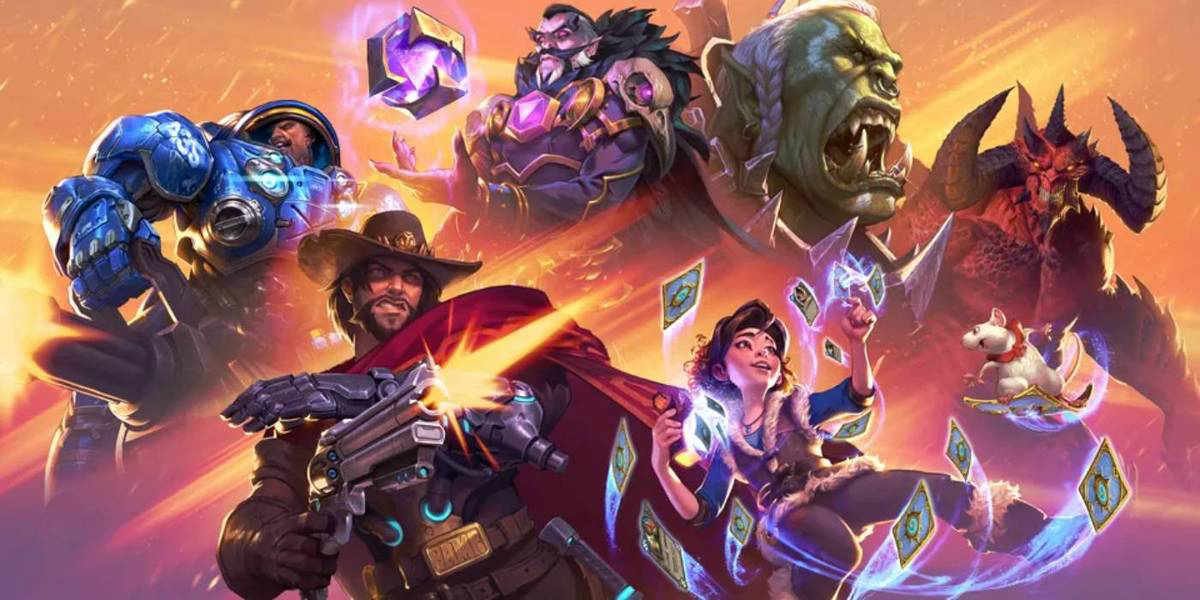
Three Vikings snatched away for display in an alien zoo — that’s the premise of a 1993 SNES puzzler you can still boot up today, and it lands more jokes than games with three decades of extra hardware behind them. Which is rather the point with Blizzard: the studio keeps making things players simply won’t walk away from.
Durability like this is rare among developers. Blizzard’s finest titles are still surrounded by enormous fanbases decades on, and the very best of them earned that following the hard way — through gameplay loops nobody can set down. Huge multiplayer worlds, razor-edged competition, genres invented and then reinvented.
With this year’s BlizzCon reveals coming up, it’s tough to dispute how strong this catalog looks going forward. Yet Blizzard’s history tends to shape its games, largely because so many of them sit on live service models that keep them permanently in rotation. Rather than sequels, the studio stacks on expansions, DLC and microtransactions — unless a sequel arrives carrying enormous changes.
The mid-’90s platformer that invented cover shooting
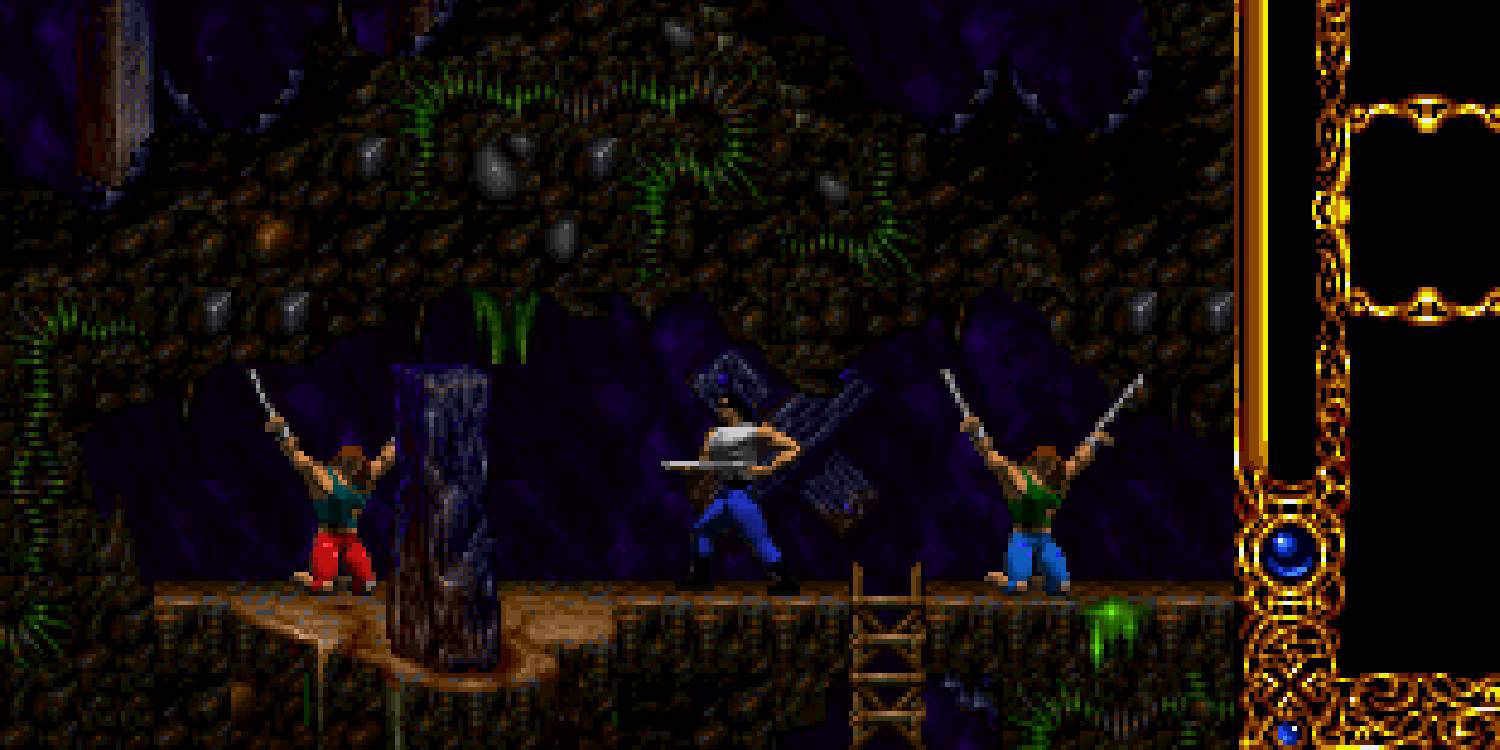
Blackthorne arrived while platformers dominated the first wave of home consoles, and it broke ranks by worrying far less about platforming than about strategic, tightly focused level design that genuinely tested you. It was darker and grittier than anything beside it — a single-player adventure that stood apart on shelves crowded with mascots.
Its presentation remained straightforward, arcade-flavoured and simple to pick up. Even so, Blackthorne originated mechanics that would go on to define entirely different genres, ducking behind cover to fire at enemies among them. Gears of War, Mass Effect and no shortage of other action titles are in its debt.
The MOBA that refused to be one map
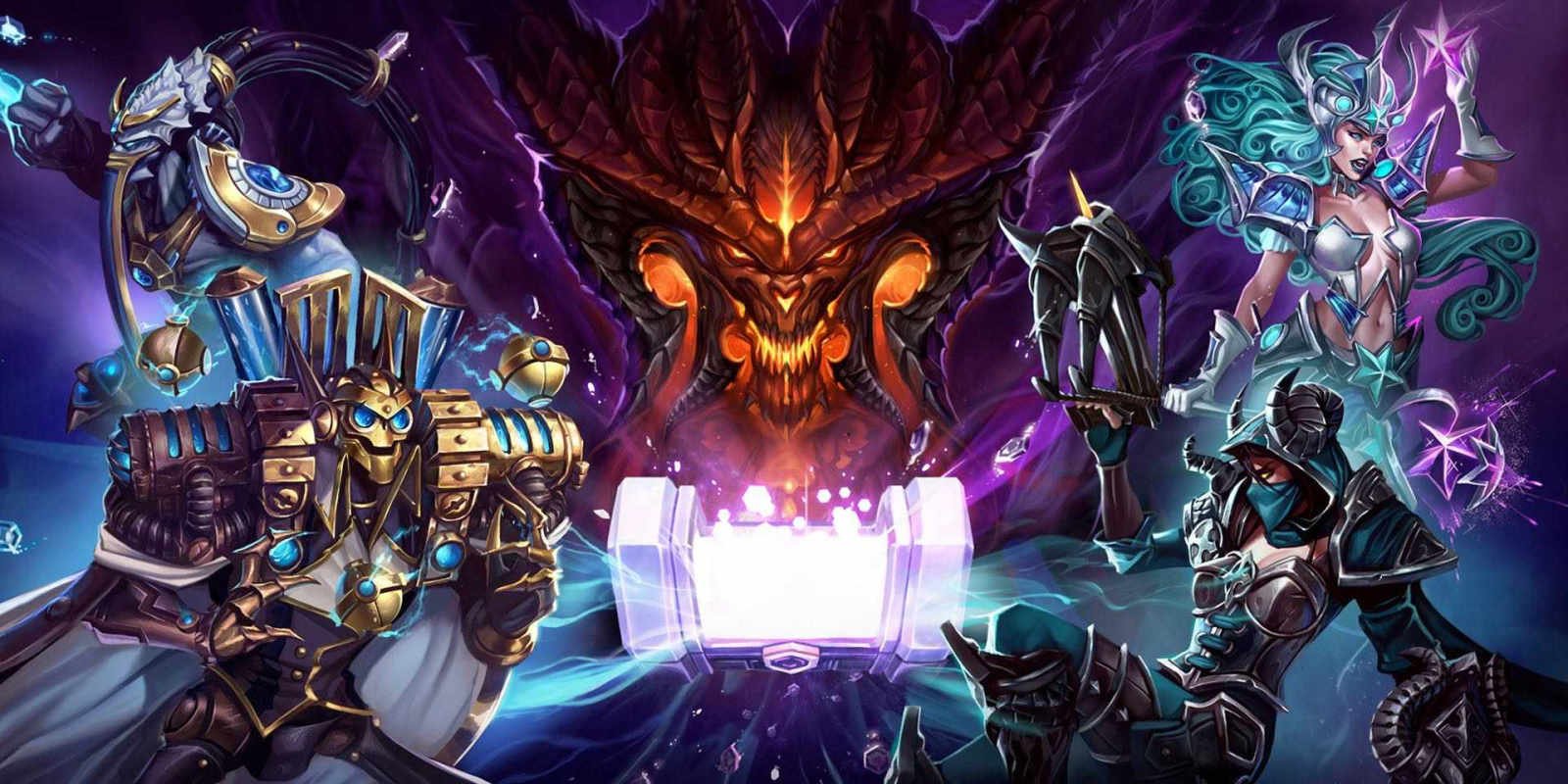
This territory belongs to DOTA and League of Legends, and Heroes of the Storm never made a dent in that. It remains a solid entry all the same, stuffed with ideas the two giants never attempted. Several game types and match modes shove MOBA competition in unorthodox directions rather than circling a single core map indefinitely.
The roster is the whole pitch: a crossover pulling Blizzard characters from every major franchise, each one behaving the way they do back in their home game. Diablo himself gets to chase down Tracer from Overwatch. Winning demands the sort of teamwork that produces the same compelling collaboration as any MOBA — only pointed somewhere no other Blizzard game bothers to go.
Three Vikings, one alien zoo
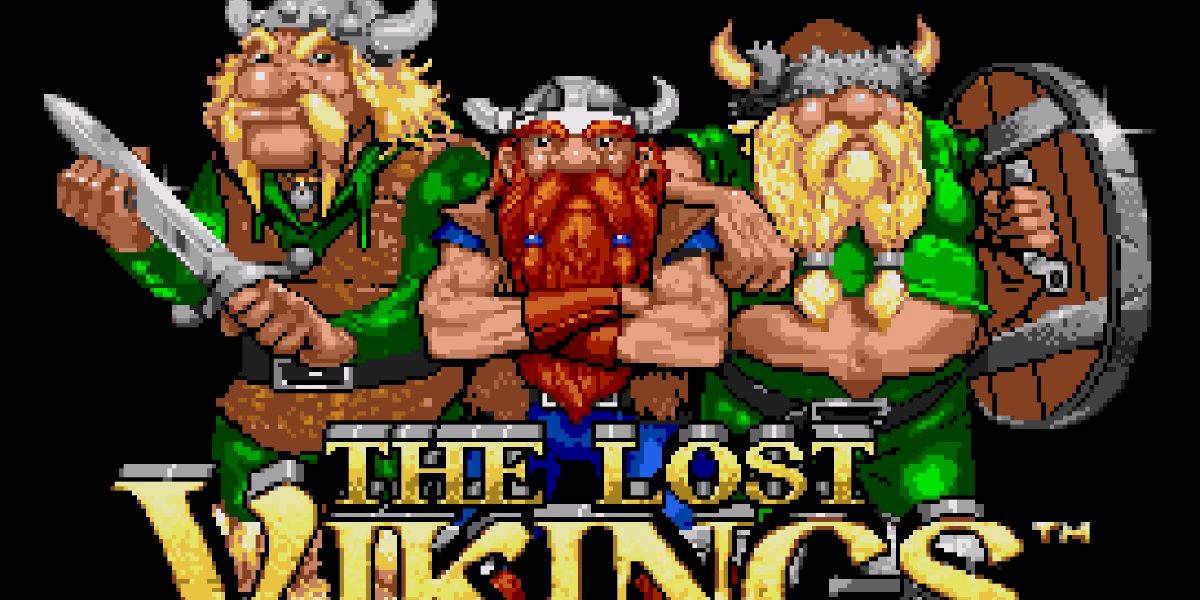
The Lost Vikings shipped in 1993, back when the company still went by Silicon & Synapse. Solving its steadily nastier puzzles means juggling the abilities of Erik the Swift, Baleog the Fierce and Olaf the Stout.
These particular Vikings haven’t gone missing at sea. Tomator, emperor of an alien empire, has abducted them for exhibition in an intergalactic zoo.
Cartoon Vikings trapped in an alien abduction zoo was already a formula for chaos, and then the writing across the story and dialogue lodges the whole thing in your memory. You can still play it through the Blizzard Arcade Collection on Battle.net, and that release bundles the Definitive Edition, which throws in five new levels.
The expansion that saved Diablo 3
Diablo 3 launched with systems that alienated longtime fans, among them a heap of microtransactions for in-game items that piled up into real money. Reaper of Souls repaired most of the damage, stripping out what players resented and reviving the game into one of Blizzard’s strongest.
At the heart of the trouble sat the in-game auction house, where items changed hands for cash. There’s no equivalent in Diablo 4, though similar monetary systems across Blizzard series still have a habit of stirring up controversy.
Strip that away and what remains is depth. Character builds branch off wildly before ramping into a complex endgame grind that stays enjoyable however many hours you feed it. Replayability came courtesy of the Rift system, which let you and your friends assemble overpowered characters and steamroll dungeons side by side. Meanwhile the rebuilt loot system produced a loop the series had never previously nailed.
Why Hearthstone still beats every other franchise card game
The card game pivot has tempted plenty of franchises. Hearthstone is the attempt that stuck. It boils competitive TCG formulas down into something a newcomer grasps on sight and a top-tier player can spend years failing to master. Because there are multiple game modes, plenty of decks stay viable — more variety than most online card titles bother with.
A steady stream of expansions, updates and format tweaks keeps things fresh, even when the cost is older decks aging out. Its RPG elements lend it a texture nothing else has, so it works on you even if you couldn’t name one World of Warcraft character printed on the cards.
At launch the Mana system was a genuine innovation, obliging you to put time into a match before your deck’s best combos come online. That gives the flashier, weightier cards their moment, and gradually every piece of your deck starts to count. Free-to-play systems mean you can assemble something strong over time.
The hero shooter that made every character feel like a character
Overwatch was a monumental success, and you could argue it’s the finest hero shooter since Team Fortress 2. The explanation is simple: each character both looked and played like an actual person. Reaper with his twin shotguns and permanent gloom. Reinhardt with his shield, hammer and charge. Not one name on that roster read as filler.
A steady drip of new characters kept it alive, with team compositions shifting each time another hero slotted into the mix. There was always something on the horizon for players, and the game held its freshness for years.
Considered purely as a shooter, its ability design stayed simple. Every hero’s kit is easy to learn and, once a team starts coordinating around you, occasionally brutal to master. Its maps are detailed and bursting with personality, while the animated cinematic shorts fleshed out lore that gave the world real weight. Those extra touches accumulated into an identity that stands comfortably beside Blizzard’s biggest IPs.
Starcraft is still the blueprint
The original Starcraft is essential to gaming, full stop. Real time strategy went mainstream through it, carried by Blizzard’s signature presentation and its talent for boiling complicated ideas down. Three factions, each with genuine depth, and every unit designed with a distinct purpose in mind. Working out what to build and how to deploy it turns into an addicting loop almost immediately.
A large slice of the appeal is the storyline running between the factions. Both this campaign and the sequel’s pushed the game’s popularity far past its competitive scene.
What elevates it to one of the best strategy games ever is how neatly every piece slots together. Considering it shipped in 1998, the strategic complexity that arises out of player skill and expression still holds up.
Brood War then improved on it. That first expansion introduced factions and pushed the difficulty higher on an already stellar game, backed by a stronger campaign whose challenges force you to micro your way through every scenario against the enemy. Impeccable level design, and the decisions it forces are genuinely hard.
Warcraft 3 gave you hero units and a map editor
For its next RTS after Starcraft, Blizzard kept the genre’s furniture and added new pieces to it. Warcraft 3 crammed in more factions than the studio had ever assembled for an RTS, and the variety was staggering, with something close to endless strategies open to each group. Hero units complicated the whole picture, loading even more weight onto microplay.
Still, it’s The Frozen Throne that placed this game on a pedestal for so many Blizzard fans. An already massive game became gargantuan under that expansion, which handed players more avenues into both the gameplay and the story. Add the custom map maker, which turned players loose to build their own RTS maps, and Warcraft 3 ends up endlessly replayable.
Diablo 2 built the character sheet everyone copied
No shortage of people will tell you Diablo 2 is the series’ peak, and the receipts back them up. It carries on the original’s dark fantasy ARPG style, then refines, polishes and expands it into systems that would go on to inspire several later smash hits. Deep customization skills and build trees mean you can construct almost any character you can picture.
As with every Blizzard game here, its expansion made it better. Lord of Destruction brought an entirely new story Act along with a new area housing tougher enemies and fresh quests.
All that character depth sits beautifully alongside the level design and reward systems. Being among the first games with proper co-op, Diablo 2 let you haul friends into dungeons on the hunt for the best loot — as close to a tabletop RPG session as a PC could manage back then. Given the unlimited options attached to every character you roll, the brevity barely registers.
The sequel that made esports global
A serious case exists for Starcraft 2 as one of the best sequels ever made, taking everything the original achieved and driving it to its full potential. Strategic depth is how it defines itself, serving RTS fans what they want while adding competitive systems that helped esports detonate worldwide.
The series’ narrative picked up in 2010 with Wings of Liberty. Heart of the Swarm and Legacy of the Void came next, each spotlighting different factions with stories of their own and stacking more content on top. Blizzard supported all of it consistently, alongside a free-to-play model that makes trying it easy for newcomers.
The sheer number of quality of life improvements between Starcraft and Starcraft 2 is absurd, and every one of them builds on something fans already liked. Years of tight balance work from Blizzard have given it competitive integrity that other RTS games seldom get to enjoy. Free custom maps, alternative modes, and a genre pinnacle that plenty of people still won’t argue about.