

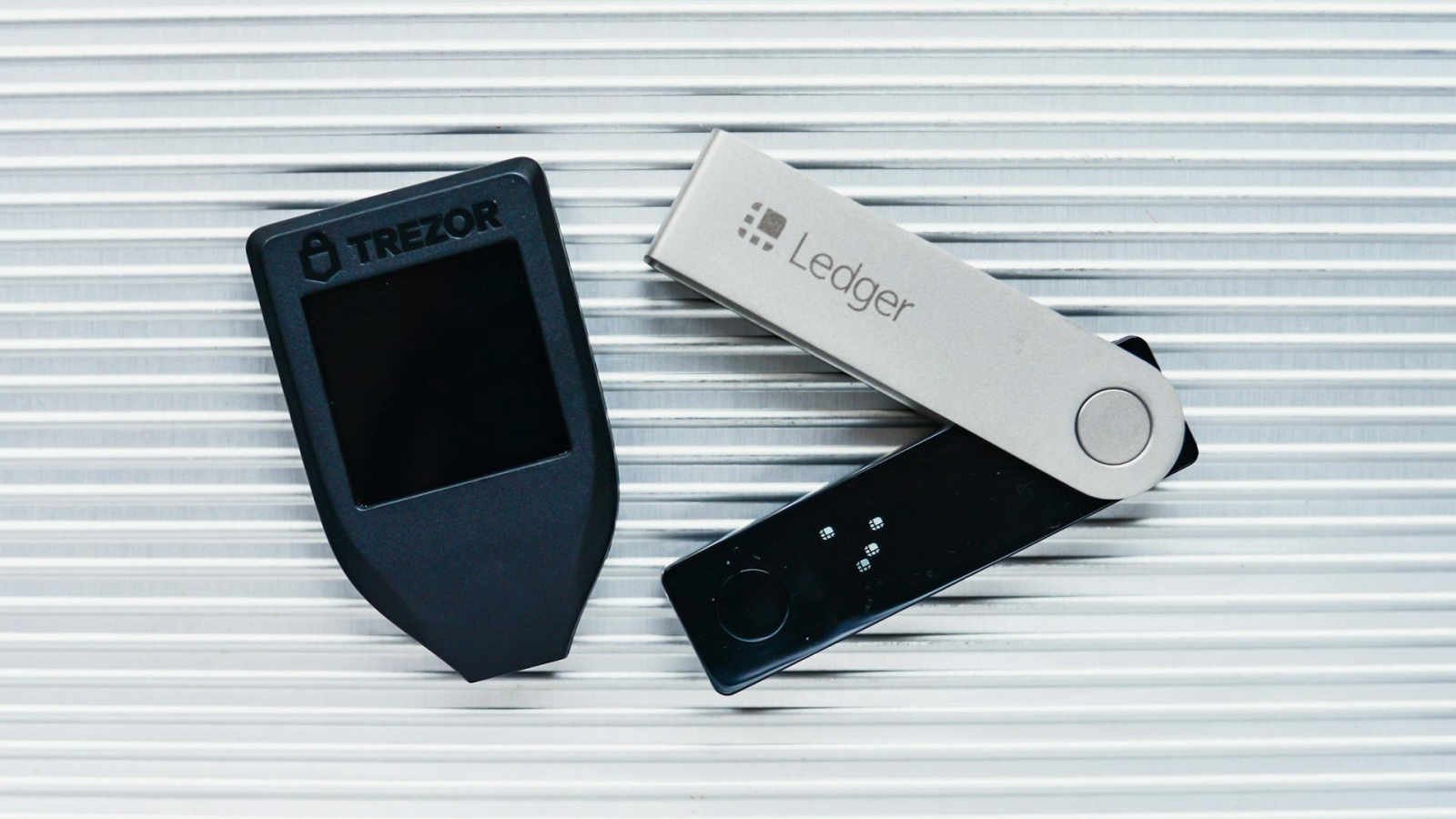
The same signal turned up at two Russian retailers this year: hardware wallets are moving off the shelves faster than they were a few months ago. On M.Video’s marketplace, unit sales climbed 107% in the second quarter versus the first, while the value of those sales was up 92% across the same period.
The distance between those two numbers says more than the headline figure does. Units outpaced revenue, a pattern that suggests shoppers are reaching for cheaper models rather than opening their wallets wider.
How many devices that actually amounts to, M.Video did not say.
The second retailer measured something different
Demand rose at Wildberries too. RIA Novosti, citing marketplace parent company RWB, reported unit sales up 84% in the first half against the same stretch a year earlier, with sales value up 60% over the period.
It is worth reading those two sets of figures closely before piling them on top of each other. M.Video’s comparison is Q2 against Q1. Wildberries lined up H1 2026 against H1 2025. The baselines differ, and so do the windows.
Unit totals went unpublished by either firm. That leaves percentages as the only material available to anyone outside those companies, and a 107% rise from an undisclosed starting point might represent a great many devices or hardly any.
What a hardware wallet actually does for you
What the device does is keep the private keys controlling your crypto on dedicated hardware, instead of leaving them in the custody of an internet-connected service. That is the entire pitch: fewer avenues through which someone could reach your keys remotely.
The benefit is a narrow one, though, not armour against every threat. Recent weeks have underlined that point.
The Coldcard flaw cost more than $116 million
On July 30, Coinkite disclosed a firmware flaw in Coldcard that weakened seed generation. Losses were estimated at more than $116 million.
Buyers in Russia are absorbing that risk along with the upside. What a hardware wallet really does is shift your trust from the security team at an exchange to a firmware vendor. Somebody still has to be trusted.
The rules are the obvious driver here
Lawyers speaking to RBC said Russian law neither bans non-custodial wallets nor treats them as illegal. The prohibition applies to withdrawals from Russian digital depositories into personal wallets. A transition period is set to run until July 1, 2027.
Beyond that date, crypto transactions will have to move through regulated entities, and banks will be required to turn away transactions falling outside that framework.
The wider regime, however, arrives well before 2027. Russia’s crypto framework comes into force Sept. 1, placing the surge in sales directly ahead of it.
What the Sept. 1 framework allows
According to the Bank of Russia, the framework will make room for regulated exchanges and digital depositories. Certain retail investors will be cleared to buy liquid cryptocurrencies once they pass testing, subject to an annual cap of 300,000 rubles per intermediary.
Domestic crypto payments remain banned. That leaves buying and holding through approved channels as the legal route forward — spending is not part of it.
Set that cap alongside the wallet purchases and the behaviour is easy enough to read. A 300,000-ruble ceiling per intermediary caps how much can be acquired via the regulated route, and what people appear to be buying before the deadline is a device that keeps keys outside it.
What to make of the numbers
Two retailers, measurement periods that cannot be reconciled, and no unit totals at all. As evidence of a trend that is thin, and both the 107% and the 84% deserve to be held loosely.
Still, both point the same way, and the calendar accounts for it without any great stretch. For anyone actually considering one of these devices, the Coldcard disclosure makes for more useful reading than the sales data. A seed generation flaw that cost more than $116 million is the specific failure mode to understand before moving keys onto any device, whether in Russia or anywhere else.