

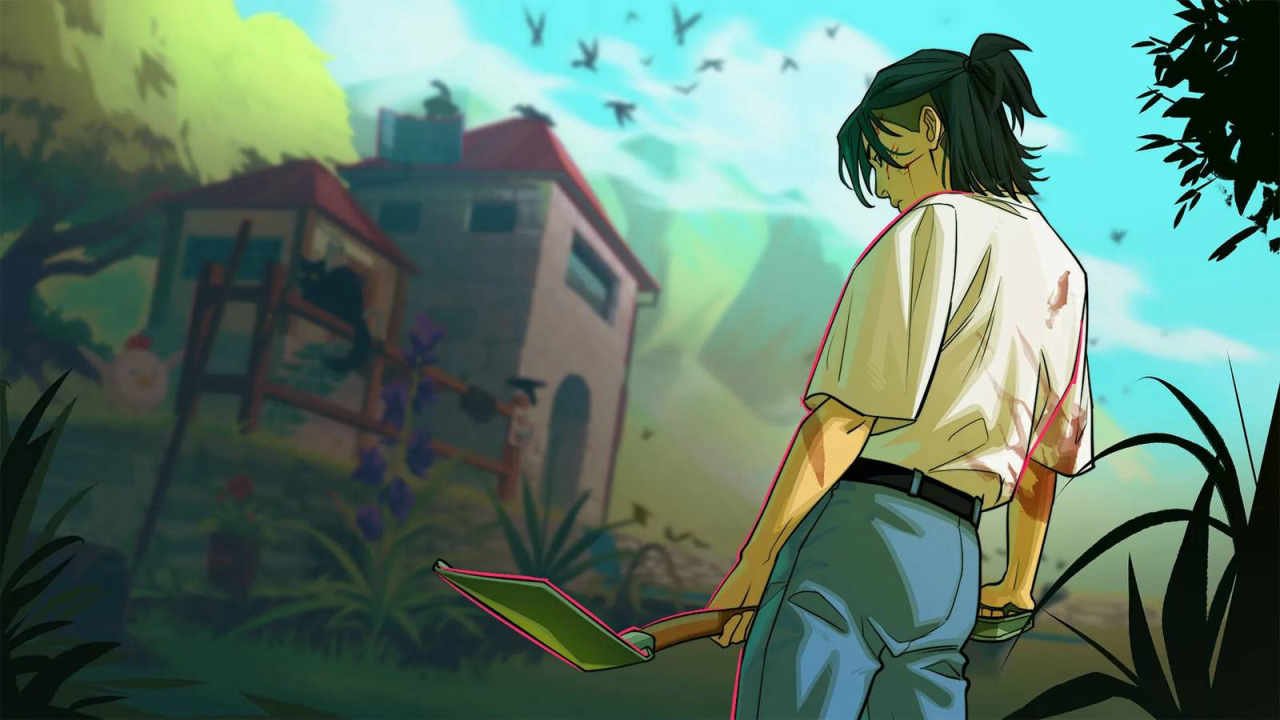
You are a convict. Not the grandchild of some fondly remembered local who willed you a deed, a shed full of rusting tools and a town primed to adore you.
That is the premise of Grave Seasons, and it says almost everything about the direction farm games are travelling. The entire town has cause to be afraid of you. Then bodies start turning up, and suddenly you have every reason to be afraid of them.
For roughly 10 years, farm-sims have looked and felt more or less identical. That is no shock. Once a formula works well enough to keep a studio solvent, you stick with it. But a new batch of farm games is testing the edges, and what is on the way looks more varied than anything the genre has served up since 2016.
How the genre got so comfortable
It was Stardew Valley that rekindled interest in farming games in 2016, at a point when Harvest Moon and Story of Seasons had receded into distant memory and the genre had lost any mainstream grip. New farm games began arriving in a trickle. Marvelous, the studio behind Story of Seasons, brought back its biggest hit as Friends of Mineral Town, a remake of the GBA title that was itself a remake of Harvest Moon 64 — the very game that inspired Stardew Valley to begin with.
Then came the pandemic, cozy games shot upward, and the trickle turned into a flood. What varied was the substance. The form scarcely moved.
The template goes like this. A dilapidated farm becomes yours and you bring it back to life. Nearby sits a village holding a dozen or so prospective friends and romantic options, plus a few other personalities to win over. There is crafting, decorating, mining and fishing, all of it channelled into growing the farm or restoring the town. Relationships advance on rails, each friendship rank dispensing another fragment of somebody’s life. Certain backstories are tragic, others touching, but they sit in sealed compartments and none of them alter what you actually do. Hand out gifts and people will love you.
Same game, different hat
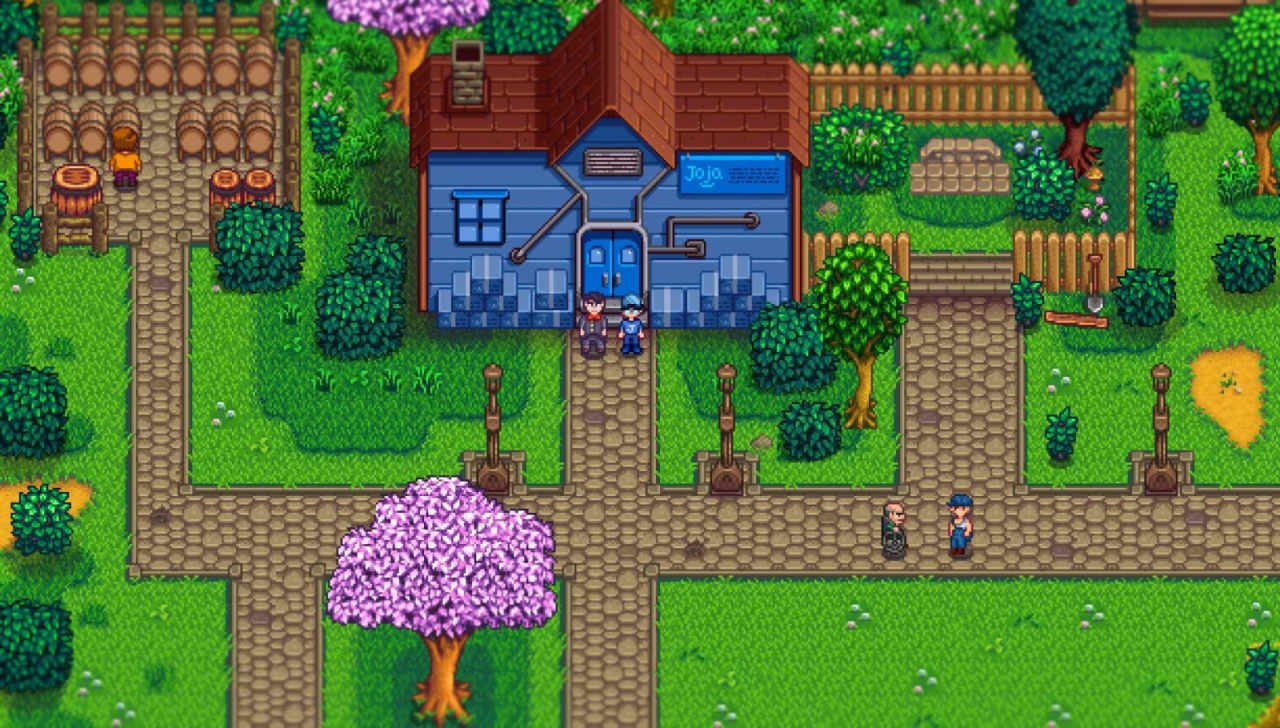
Dinkum is Australian Stardew. Coral Island is tropical Stardew, with mermaids and a dash of fantasy trim. Disney Dreamlight Valley sits nearer to Animal Crossing, yet its farming and village routines are lifted wholesale from Stardew. Fae Farm has fairies. Roots of Pacha has dinosaurs and irrigation. Sun Haven has the sun. Wylde Flowers brings in witches, Graveyard Keeper turns morbid, Tales of the Shire sets hobbits to work, Littlewood goes retro.
Whatever the tweak, they all play out the same way. It is the cozy equivalent of the AAA open-world: every element familiar, every edge sanded off in the name of frictionlessness. Peel away the surface and it is one game underneath.
None of that is a put-down. These are good farm games — Tales of the Shire aside, which is pretty rough. They are simply the same kind of farm game.
The outliers of the past decade can be counted on one hand. Sakuna: Of Rice and Ruin farms rice and nothing else, demanding you learn the genuine details of cultivation and harvest to coax out the finest crop. A few Rune Factory re-releases — Marvelous’ Story of Seasons offshoot where farming and RPG happen simultaneously — located their audience even while Rune Factory 5 stumbled. Beyond that, whenever a farming game was revealed, or a Nintendo Direct arrived stuffed with them, you already knew precisely what you were in for.
The pitch is “farming, and” now
These days, when a studio unveils a farm game, the hook is as likely to be “farming, and” as “this flavor of farming.” Farming and horror. Farming and supernatural storytelling. Farming and dungeon-crawling town-building.
Son M., a founder of Perfect Garbage, said they believed more developers want to push the boundaries of cozy games, turn the genre upside down and see what they can do with the pieces that fall out.
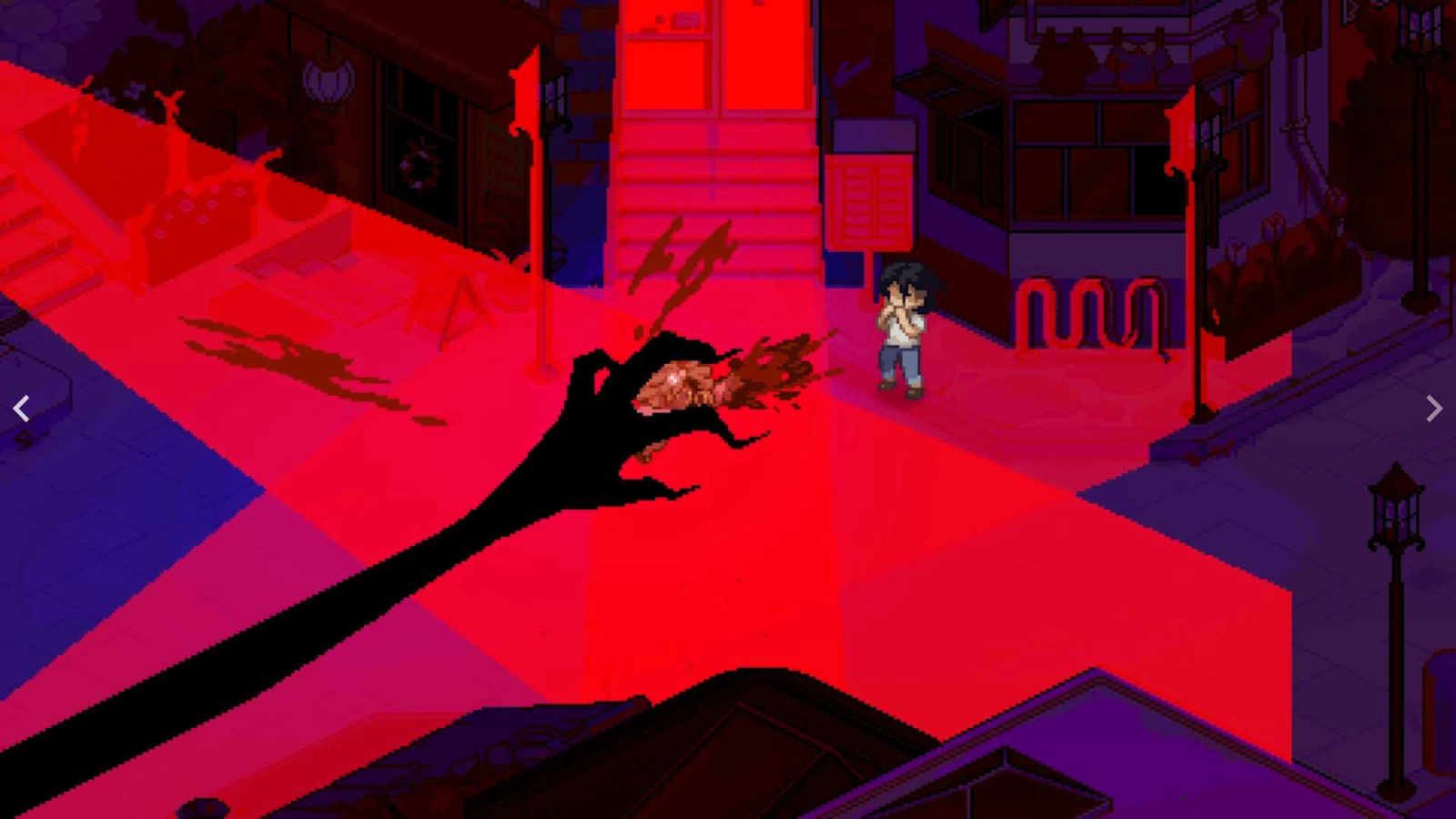
Grave Seasons missed its intended August release, but that boundary-pushing is already legible in what Perfect Garbage has put on display. It is an introspective monster-mash horror tale at least as much as it is a farm game, and the studio uses genre staples as instruments of storytelling rather than boxes to tick. Snooping through your neighbors’ homes and pawing at their belongings, for example, is something farm games have always permitted. Here the neighbors take offense, and your behavior consequently carries a different weight. Remove the horror and the game falls apart.
The witches have their own problems
Marvelous put out Moonlight Peaks in July. I took it for vampire-flavored Stardew. Developer Little Chicken was aiming higher than that.
Moonlight Peaks discards Stardew’s fragmented storytelling and weaves every character’s arc into the town’s larger narrative. The farming is broadly what it has always been. The characters are not. These melancholy witches and werewolves are not there merely to be romanced. They carry needs and hopes of their own, producing a community story that actually has something to say.
Nippon Ichi Software launched Village in the Shade in Japan on July 30, with an international release scheduled for Oct. 27. At a glance it is textbook Harvest Moon: mining, fishing, shipping your most lucrative crops, deepening ties with the residents of a small neighboring town. It is also a horror game. Mythological horrors prowl the streets once night falls, and the village rests atop a darkness nobody is allowed to name. If you are a weeb like me, picture Yomawari and Boku no Natsuyasumi with farming attached.
The demand shows up in the numbers. Village in the Shade has already moved more than 200,000 copies in Japan and became one of NIS’ most successful games of the decade at launch.
A farm inside a prison
Cygnus Cross sends Emberville into early access on Oct. 27 as well. Glance at the trailer and you would shelve it as Gothic Stardew with an unusually deep voice cast. Ben Starr, Jennifer English, Amelia Tyler, Matt Mercer, Nick Apostolides, Anjali Bhimani, Doug Cockle and Briana White are only some of the names involved.
The familiar checklist is all there. Grow crops. Lend the neighbors a hand. Rebuild the local community center, lay out your homestead. But lending a hand in Emberville also involves venturing into the enormous dungeon prison your town happens to be perched on top of, and confronting generations of peculiar magic heaped up down there. Graveyard Keeper was a macabre, darkly funny riff on Stardew that remained plainly Stardew. Emberville is an action-RPG inside a farm-sim inside a decorating game.
Perhaps this is coincidence and not a genuine shift. Perhaps it will not hold. Yet four of these are launching or aiming to launch within the same year, and the developers behind them say the attitude toward cozy games is changing.
Which means that come October, somewhere in a small mountain village, you will be shipping your finest crop before sundown — because of what walks the streets after it.