

Toncoin (TON), the native cryptocurrency of The Open Network, is drawing attention for its close ties to Telegram’s huge global audience. Analysts see potential for growth by 2026, but expectations are measured by market conditions and the project’s ability to deliver.
While TON’s story centers on Web3 adoption through messaging, the market is also noticing a shift toward blockchains built for entertainment, gaming, and interactive experiences.
TON Price Prediction: What Analysts Expect for 2026
Recent projections show TON could grow moderately or strongly over the next few years, depending on adoption and the broader crypto cycle.
Forecasts suggest:
- TON could trade in a range between $5 and $10+ by 2026 under favorable conditions
- Bullish scenarios—driven by strong Telegram integration and ecosystem expansion—could push prices higher
- Conservative models highlight slower growth if adoption does not scale as expected
Much depends on whether TON can turn Telegram users into active blockchain participants.
Unlike many Layer-1 networks, TON’s future isn’t just about technology, it hinges on real-world use through Telegram.

The Telegram Factor: TON’s Core Advantage
TON stands out because it’s integrated directly with Telegram, one of the world’s largest messaging apps.
This creates a unique pathway for adoption:
- Seamless wallet integration within a familiar interface
- Access to hundreds of millions of potential users
- Built-in distribution through mini-apps and bots
If it works, TON could onboard users at a scale few other blockchains can match.
But having access to users isn’t the same as getting them to use the platform—real activity is what will matter most for TON’s long-term value.
Key Drivers Behind TON’s Price Outlook
Several core factors are expected to shape TON’s trajectory toward 2026:
1. Ecosystem Development
TON’s success depends on the growth of applications within its ecosystem, including:
- Payments and transfers
- Mini-apps and Web3 services
- Gaming and social applications
A stronger developer ecosystem could significantly increase network activity and token demand.
2. User Conversion and Engagement
While Telegram provides distribution, the critical question remains:
How many users will actively engage with TON-powered applications?
Sustained engagement—not just onboarding—will likely be the determining factor in long-term valuation.
3. Market Conditions
Like all major crypto assets, TON remains influenced by:
- Bitcoin cycles
- Liquidity conditions
- Macroeconomic trends
Bull markets typically accelerate adoption narratives, while bearish phases test ecosystem resilience.
4. Competition from Other Ecosystems
TON is not alone in targeting mass adoption.
Other blockchain ecosystems are also focusing on:
- Simplified user experiences
- High-frequency transactions
- Real-world use cases beyond DeFi
This is where broader market trends begin to intersect with TON’s outlook.
A Broader Shift: From Access to Activity
One of the emerging narratives in Web3 is the shift from user access → to actual activity.
Having millions of potential users is no longer enough. Increasingly, analysts are focusing on:
- Daily transactions
- User retention
- Real economic activity within ecosystems
This is why platforms with proven, repeatable usage are getting more attention.
Playnance and the Activity-Driven Model
Within this context, ecosystems like Playnance represent a different approach to adoption.
Rather than starting with distribution and aiming to build activity over time, Playnance is structured around existing, high-frequency user interaction, particularly in digital entertainment.
Its ecosystem includes:
- On-chain games
- Prediction markets
- Sports-based interactive platforms
- Trading-style entertainment environments
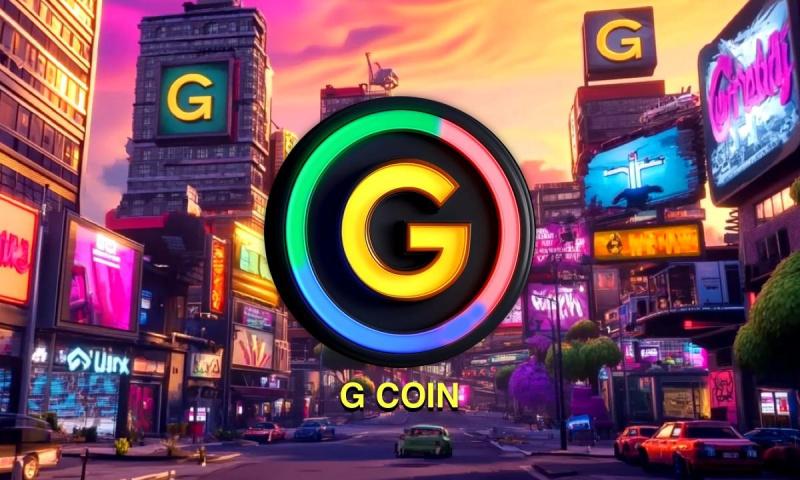
At the center of this system is G Coin, the utility token that facilitates all economic activity across the network.
Unlike tokens primarily driven by market speculation, G Coin is designed around continuous usage within the ecosystem.
Infrastructure Designed for Continuous Engagement
A key difference in Playnance’s model lies in how its infrastructure is built.
G Coin operates on PlayBlock, a blockchain designed to support:
- Gasless transactions
- Fast execution speeds
- Non-custodial ownership
- Seamless user experience similar to Web2 platforms
This design removes many of the friction points typically associated with blockchain interaction, making it easier for users to engage repeatedly.
In contrast to ecosystems still building toward adoption, this model emphasizes ongoing participation from day one.
The Role of Token Design in Sustained Activity
Another important distinction is how tokenomics are structured.
G Coin operates within a closed-loop system, where demand is generated internally through:
- Gameplay
- Predictions
- Platform interactions
- Reward and settlement mechanisms
This differs from open-market models where demand is largely driven by external trading activity.
Additionally:
- The total supply is fixed at 77 billion tokens
- No inflation or future minting is planned
- Tokens used within gameplay can be temporarily locked, reducing active circulation
This introduces a supply dynamic tied directly to ecosystem usage rather than purely market speculation.
Scale and Distribution Already in Place
One of the more notable aspects of the Playnance ecosystem is its existing scale.
The network currently spans:
- Thousands of games operating daily
- Millions of interactions across prediction and entertainment formats
- A global partner and affiliate network supporting distribution
- Integration with multiple studios and platforms
This level of activity positions it within a smaller category of Web3 ecosystems that are already functioning at scale prior to full token launch.
TON vs Activity-Based Ecosystems
TON and ecosystems like Playnance reflect two different—but potentially complementary—approaches to Web3 growth:
TON:
- Focus on mass distribution through Telegram
- Aims to onboard users first, then scale activity
- Relies heavily on ecosystem development and user conversion
Playnance:
- Focus on existing activity and engagement
- Scales through entertainment-driven participation
- Builds demand through continuous usage of its utility token
Both approaches highlight a broader industry trend:
The importance of turning access into sustained activity.
Conclusion
Toncoin’s future depends on turning Telegram’s huge user base into real on-chain activity.
Forecasts for 2026 suggest potential upside, particularly if adoption accelerates and the ecosystem continues to expand. However, execution will be critical.
At the same time, the broader market is beginning to pay closer attention to ecosystems that already demonstrate high levels of activity and user participation.
Projects like Playnance, powered by utility tokens such as G Coin, illustrate a different model—one where demand is driven by continuous interaction rather than future expectations.
As Web3 evolves, the interplay between distribution-focused networks like TON and activity-driven ecosystems may ultimately define the next phase of growth in the digital asset space.