

One player fired up GTA V and watched 90 fps collapse to 29 fps — all from switching on a feature that is unfinished, unreleased, and was never meant to reach them in the first place.
Welcome to the current state of Nvidia's DLSS 5. An incomplete build of the AI feature slipped out, modders picked it up, and the resulting footage is rougher than the official demos that had already set gamers off.
Halo: Combat Evolved got deep fried
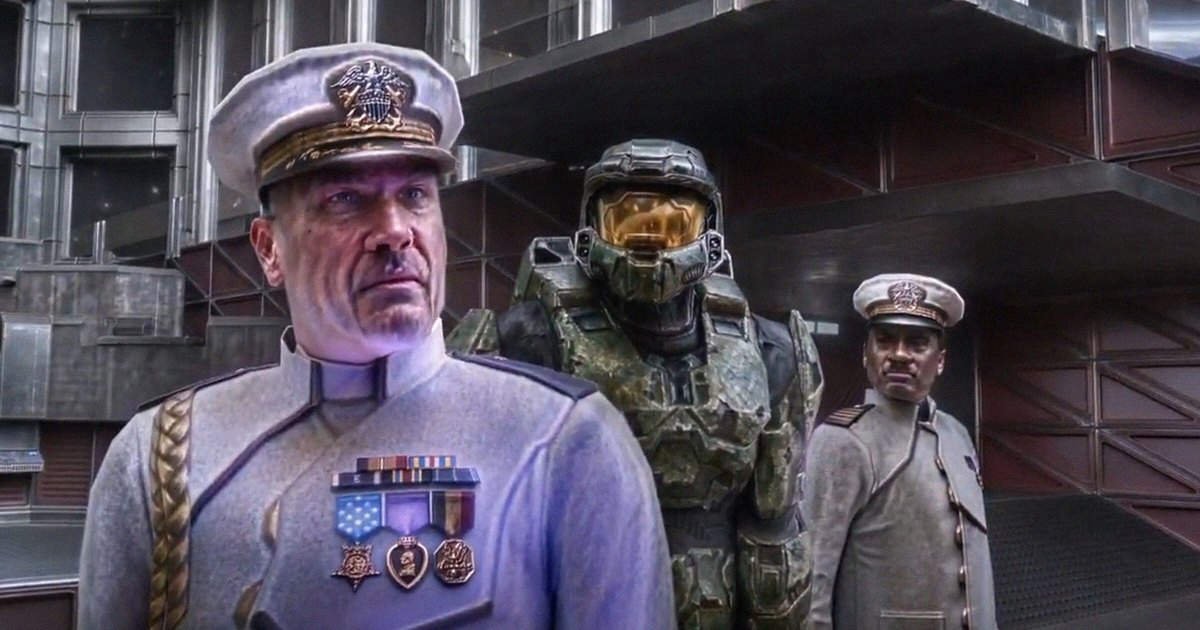
The clip doing the rounds is a cutscene lifted from the 2001 original. Running the bootleg DLSS 5, it doesn’t read as an upgrade — it reads like something that survived fourteen rounds of compression before ending up as a meme.
Colors turn blotchy and slide toward a cut-rate HDR look. Faces arrive in hyperrealistic detail that clashes with the geometry sitting beneath them. Not a frame of it matches the game you remember.
In fairness, that’s with everything cranked. The tester had no more patience for the low settings either: “even in the BEST circumstances it takes out everything and makes it look incredibly generic.”
Their post was blunter yet: “NVIDIA gotta cancel DLSS 5 while they still can bro just tried it with Halo and what is this shit 😭 Actual nightmare fuel like we don’t need this”
The frame rate cost is brutal
Another user pointed it at Final Fantasy VII Rebirth, the 2024 release, and reported their frames per second halved. The GTA V run produced that 90-to-29 nosedive.
In other words, the performance bill is steep for visuals that most of the people trying it openly hate. It’s a strange bargain to be offered.
Cloud Strife, yassified
The second example going around features Cloud Strife — or, more accurately, something dressed in his outfit and wearing enough makeup to pass for a cosplayer instead of the character.
The community has taken to calling the whole affair “slop tracing,” a dig at Nvidia's ray tracing branding. The label caught on widely enough that CEO Jensen Huang — usually far too wrapped up in the AI boom these days to weigh in on the company’s gaming heritage — stepped in to defend the feature personally.
What the demos already told us
Nobody should be entirely surprised. Nvidia’s own demos came off uncanny, detached from the art direction of the games involved, and coated in that unmistakable AI sheen. The backlash began right there, well before any leaked code existed to tinker with.
To be clear: this is not an official DLSS 5 release, and a good deal of what’s circulating deliberately shoves the feature to a ridiculous extreme. Grading shipped software on the basis of a maxed-out leaked build isn’t fair.
Even so, it shows just how completely the tech can strip out a game’s original identity and substitute something cheap and gaudy. And that’s a long way from what was promised.
From “GPT moment” to damage control
Back at the March announcement, Huang billed DLSS as gaming’s “GPT moment for graphics.” That enthusiasm dimmed as the criticism kept coming. He has since insisted he hates “AI slop” as well, while arguing DLSS 5 is a fundamentally different proposition.
This leaked build is the first opportunity anyone outside Nvidia has had to put that claim to the test. If a copy has found its way to you, point it at a game whose art you actually care about — then work out whether you’d leave it running at half the frame rate.