

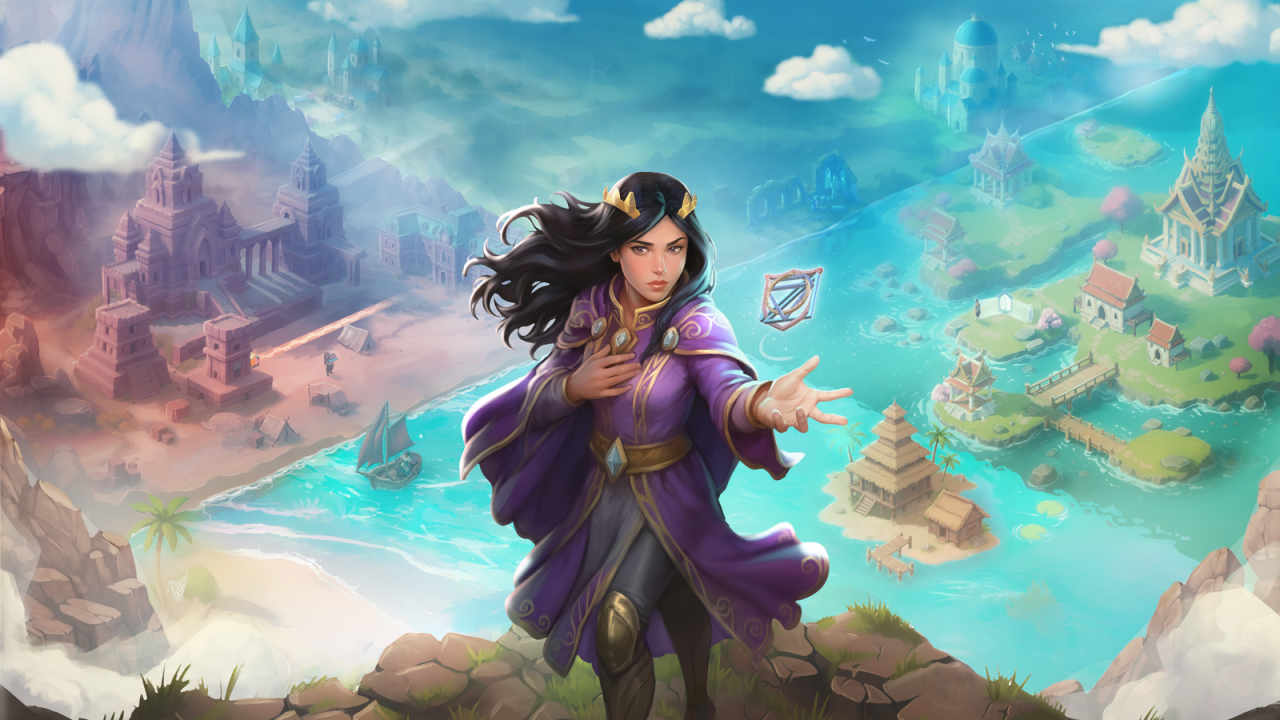
Puzzle games aren’t usually my thing. I’ve played the big hits (which is how most people end up in Jonathan Blow’s orbit) and a few niche titles. So when I say Thekla Inc.’s Order of the Sinking Star is the biggest, deepest and most beautiful puzzle game I’ve ever played, I mean it.
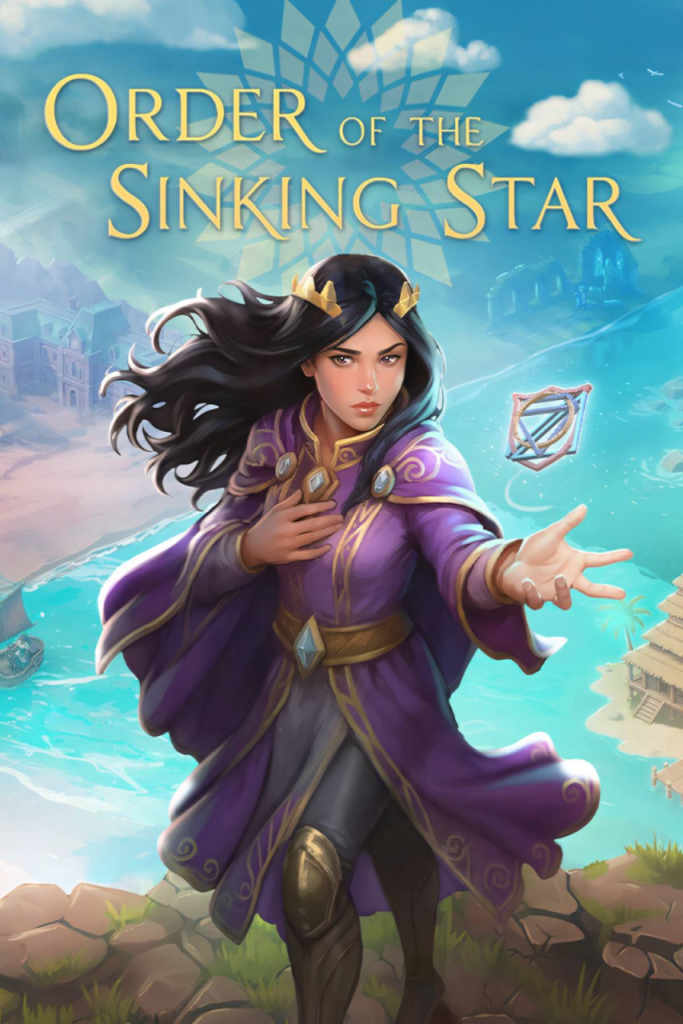
This block-pushing magnum opus never seems to hit bottom. I can’t think of another puzzle game this large, and yet it somehow still felt like something I could get my hands around.
Here are my scores. Gameplay: 10. Visuals: 10. Audio: 8. Story: 5, and I’ll explain that one.
A Queen, a portal and a lot of blocks
The premise: a Queen is saved moments before a dire act and carried off to a strange land full of portals PORTALS $0.003201 ▲ +3% into other realities, and possibly even memories.
When she steps through a portal, she disappears completely. You take control of one or several heroes of different origins and archetypes instead. The Wizard, Rogue and Warrior are instantly recognizable. The Caver needs a little more introduction: think of an archaeologist who goes after tomb treasures using gems and tools.
Every hero comes with a core ability. They carve routes to the exit either solo or as a group, sometimes talking along the way, and now and then that conversation contains a hint toward the solution.
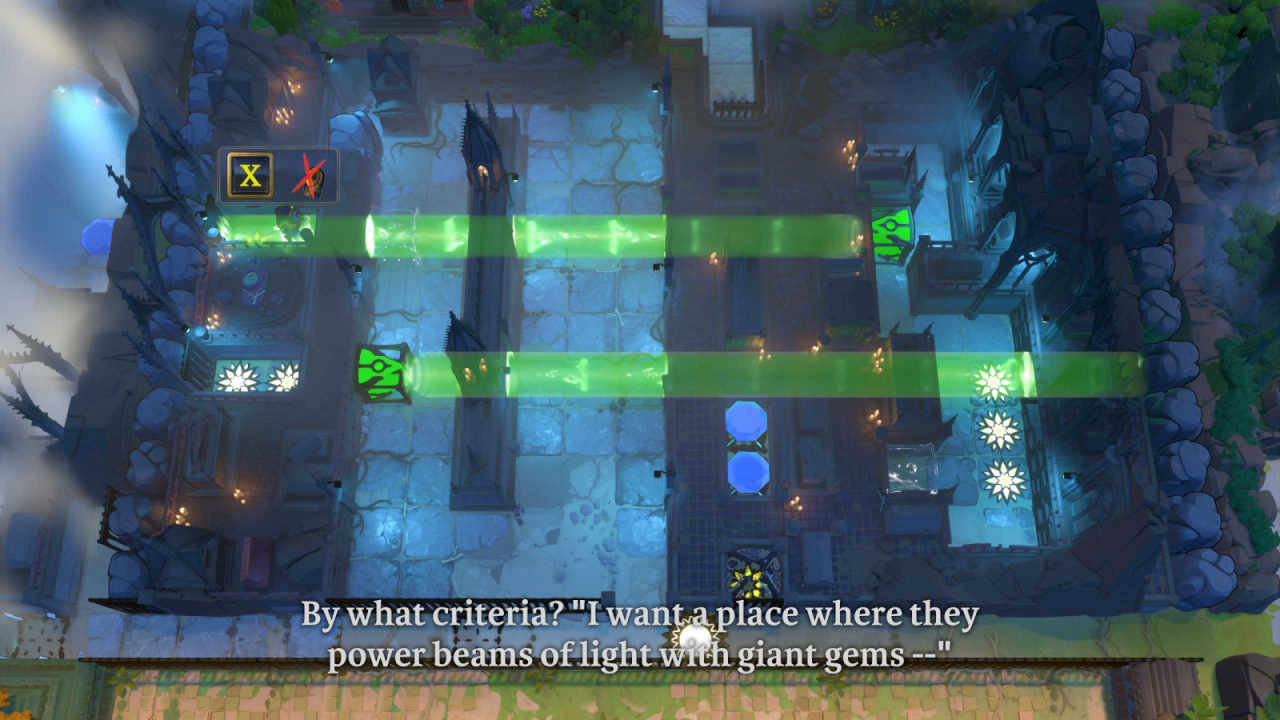
Most of the individual puzzles fall to this Canterburian band. Each solve expands the Queen’s overworld map, and the fog clears with every new discovery. A smart shortcut system makes moving around the map painless, while two zoom levels let you either orient yourself or examine the mechanisms connecting this world’s distant corners.
The map is a puzzle too
Out on the overworld, the Queen’s toolkit is basic at first. She pushes blocks, the most fundamental Sokoban action there is.
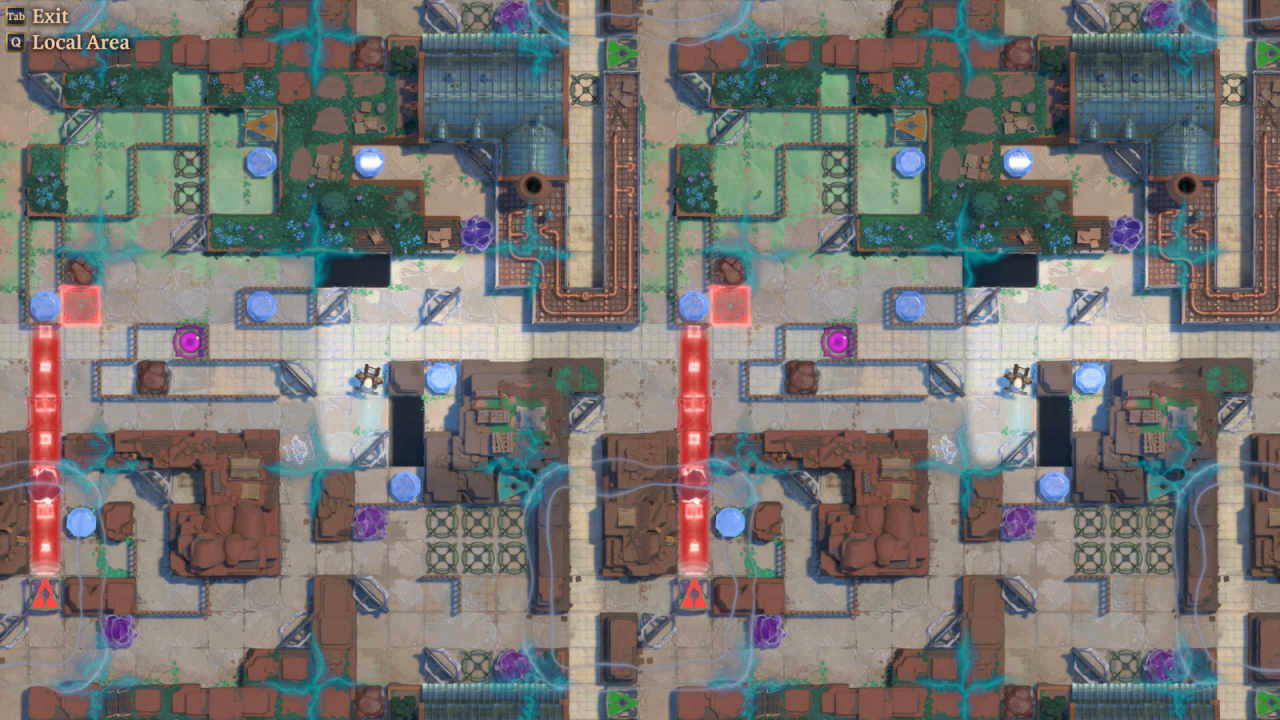
Before long she begins briefly borrowing the heroes’ outfits to crack overworld puzzles, which in turn open up more puzzles. In other words, the game is built from puzzles, its map is itself a puzzle (made of puzzles, leading to puzzles), and it keeps folding back on itself from there.
Things start with four (formally licensed) independent projects and escalate quickly. Rules, heroes and environmental hazards stack up. Fresh abilities are thrown at you mid-stride. Mechanics you haven’t fully learned yet run into each other and create strategies you never anticipated.
That feeling of discovery lasts much longer than in any other puzzle game I’ve played. It’s exhilarating, and, honestly, it’s overwhelming too.
Heroes who can’t help themselves
The cleverest design decision is giving most heroes what I’d describe as a forced ability. There’s no button to press; it simply triggers.
The Wizard teleports instantly, trading places with whatever lies in a cardinal direction, and the opening rooms show just how much of a curse that can be. The Bard compulsively enchants allies and enemies alike into dancing within her aura, which leaves her trapped in corners all the time. And the Rogue doesn’t just pull objects. She has to.
Figuring out how to work around each hero’s innate nature is the entire game, and during my first few hours it drove me crazy.
The generous undo function is what rescues it. You can restart quickly or rewind step by step (even after dying), and you can fast-forward the world to skip machinery and other environmental waiting. It brought Super Meat Boy’s instant restarts to mind, and it softens the trial and error that the toughest rooms require.
Nothing comes easy
Very little is handed to you. I stopped counting the rooms where simply figuring out what the game wanted took far longer than actually doing it.
A few I did bulldoze, leaning on strategies that had gradually become instinct. Those victories felt minor compared to the hardest solutions.
I’d put my own ability somewhere in the low middle. Even so, I improved one screen at a time, with small bursts of mastery arriving more quickly the further, higher and lower I traveled across the map.
Beginner friendly isn’t the phrase I’d use. Beginner aware fits better: it presents familiar genre tropes as new ideas, though puzzle veterans will roll their eyes at some rooms.
The prettiest floor tiles in gaming
It doesn’t hurt that every puzzle is stunning. I’ll stand behind this claim: these may be the loveliest floor tiles I’ve ever seen, built from layered textures that give them a handmade look, with many scattered with random clumps of swaying plants.
Flames and energy beams glitter and dissolve into lighting that gives each challenge its own atmosphere. It may sound trivial, but red velvet has never looked this good in a game.
Hero animations are rich without becoming a distraction, and their idle and reactive body language adds personality on top of the dialogue. Lethal creatures respond as well, scorching a claw on an invincible hero’s aura or gnashing their teeth while waiting just out of range.
Hardcore puzzle games rarely feel alive. This one breathes and murmurs and has a genuine sense of place, and losing yourself in it is a joy.
The soundtrack offers a varied collection of orchestral variations that drops away while you stare at the screen thinking, then gently brings instruments back as soon as the heroes start moving again. Combined with the visuals, the overall aesthetic makes the game feel supportive and encouraging. Without that, I doubt I would have kept going.
Where it stumbles
Story is where it falls short. Audio logs flesh out a cryptic overarching narrative that hardly made sense to me early on and only finds its feet later. Even at that point, it’s tough to follow.
I was irritated that the story isn’t gathered anywhere for easy reference. A few strange line readings bothered me as well, plus some lines that simply shouldn’t have made the cut. None of it hurt my overall view of the game, but I wish these elements had been tightened or cut. At least some of the hero pairings and their banter were more engaging and direct.
Less patient than The Witness
I’ve battled 2016’s The Witness across several attempts since its release, relearning its rules every time. That game teaches its fundamentals one layer after another.
Order of the Sinking Star is less patient and less formal. Its rules come in a subtler, never-ending stream. The overworld still groups puzzles by theme, but the mechanical vocabulary feels richer than anything Thekla has made before, which also means it’s easier to misread a lesson than in The Witness or Braid.
Fairly early, the game stops explaining new rules outright. The lessons don’t stop, but you learn them on the job, and the game expects you to have internalized everything that came before.
People think in different ways, and the open world quietly allows for that by letting you walk away when you’re completely stuck. The Witness did the same thing, but the sheer scale here makes the approach hit harder and perhaps pay off better. It’s the reason I keep returning to its most infuriating rooms.
A bookstore of puzzles
Italo Calvino’s If on a winter’s night a traveler features a bookstore organized into every genre and purpose imaginable, including “Books That Everybody’s Read So It’s As If You Had Read Them, Too.” Order of the Sinking Star can feel like that store’s puzzle equivalent: a map of thinking games pulled from the genre’s past, present and future, its tropes fully digested and unconcerned with how much of the genre you’ve already played.
Whether I’m the intended audience, I can’t say. Whether I can finish its reportedly more than 1,000 puzzles, I also can’t say. But I feel like I could with enough time, and that separates it from established classics like Snakebird and Stephen’s Sausage Roll, which turned me away at the door.
On the story front, it’s clunky. It’s also approachable and inspiring, frequently frustrating, then sublime, delicately drawn, often dazzling and somehow welcoming all at once.
Even having played The Witness, Braid and the many PuzzleScript games and Sokoban-likes it builds on, I’ve never encountered anything quite like it. It’s a game of the year contender. Let it take hold of you, though, and it might also turn into the game you play the most, even when you’re nowhere near the screen.