

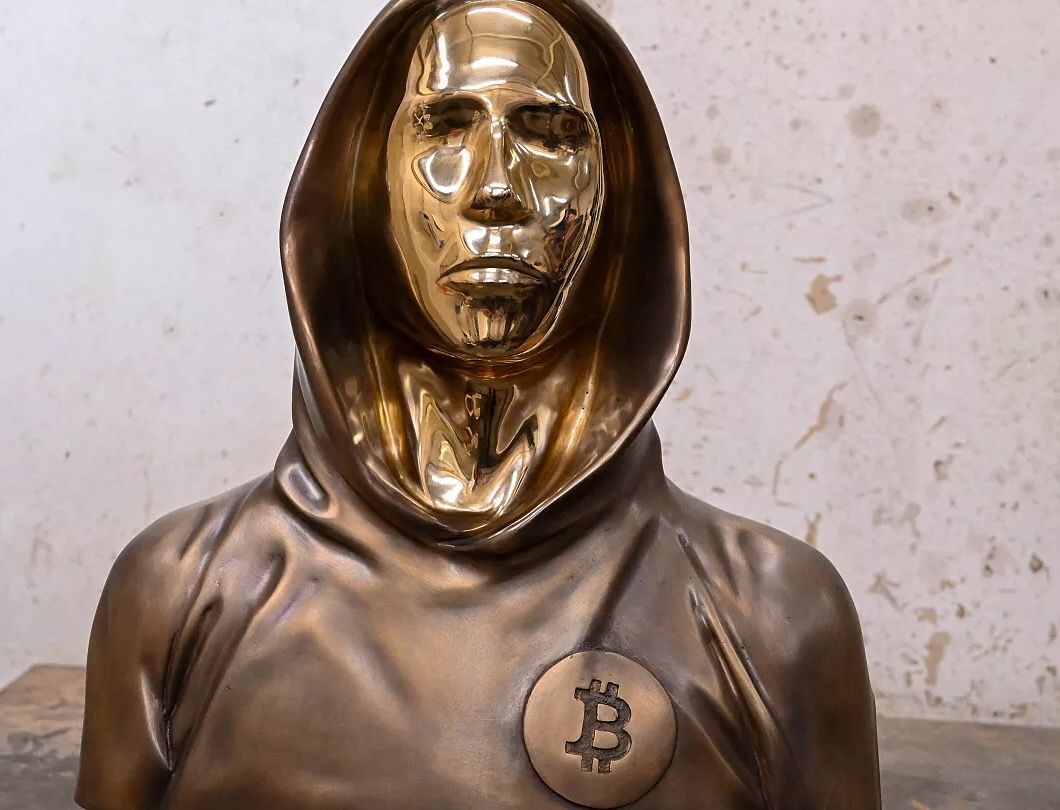
A dormant Bitcoin stash worth $8.3 million changed hands this week, and its owner paid just $1.22 for the transfer. The 100.02 BTC batch, mined in July 2010 during what’s widely called the Satoshi-era, moved on Wednesday after sitting untouched for 16 years.
The fee amounted to 1,467 satoshis, with a satoshi equaling one hundred-millionth of a bitcoin. At a price of roughly $83,000 per coin, the holdings carried a value near $8.3 million as they departed. Judging by Bitbo’s highest registered BTC price for 2010, those same coins were worth only around $29 when they were first mined.
Two mining rewards, one long sleep
Bitcoin’s network confirmed the transfer at 18:52 UTC in block 970,379 — one of the batches of transactions the network etches onto its public ledger roughly every 10 minutes. The funds were divided between two new addresses, each address functioning like an account number made of characters: one received 10 BTC, the other took in 90.02 BTC.
Both destinations use the modern bc1q address format, which simply did not exist back when these coins were mined. Nothing within the transaction reveals who controls the funds, and relocating coins between addresses is not the same as cashing out.
The stash itself began life as two separate mining payouts before becoming one. The larger piece, 50.02 BTC, arrived via block 70,522 on July 26, 2010, while the other 50 BTC came from block 70,748 two days later on July 28. A single transaction on July 30, 2010 folded the two together into the address that just released them.
Back when 10,000 BTC bought two pizzas
Nobody realized it at the time, but 2010 would go on to be a memorable year for Bitcoin. Laszlo Hanyecz, a programmer living in Florida, famously handed over 10,000 BTC for two pizzas — a tab of roughly $41. Since then, this week’s stash has appreciated by more than a millionfold.
The block reward has since been halved four separate times, most recently falling to 3.125 BTC with the April 2024 halving — a scheduled adjustment that arrives roughly every four years. A block mined today yields one-sixteenth of what those two 2010 blocks paid out.
The address has seen action before
That address hasn’t exactly been idle over the years. It pushed out 100 BTC twice on August 8, 2015, another 100 BTC in December 2017, and 249 BTC in March 2018 — though those were different coins. Bitcoin accounts for money as individual chunks, somewhat like banknotes, so an address can spend part of its balance while the remainder sits untouched.
Galaxy monitors the coins themselves rather than addresses, and noted that these specific coins had stayed put since 2010.
“We maintain a complete ledger of every single UTXO and all their historical movements (about 1.7 terabytes). This address has been somewhat active in the past, but these specific coins have not moved since 2010. We track the coins.” Galaxy Research wrote that in a post published October 8, 2026.
Old coins from Bitcoin’s early days keep stirring
Coins mined during Bitcoin’s first years are known as Satoshi-era, a nod to the network’s pseudonymous founder, Satoshi Nakamoto, and they have been surfacing in clusters. In February 2025, a 50 BTC batch that had been valued at $0.10 per coin when mined sprang back to life after roughly 15 years, by which point it was worth about $5 million. That holder skipped a test transaction — the small trial payment people typically send first to confirm the destination works.
In August, 49.97 BTC first received in July 2011, back when Bitcoin traded below $15, woke up after about 15 years and traveled on to a wallet that Arkham, a blockchain analytics platform, has tagged as FalconX, a prime broker catering to trading firms. A label by itself doesn’t prove a sale occurred.
And between August 16 and 26, six wallets that had been dormant since 2011, 2012 or 2014 shifted 553.59 BTC — approximately $40 million. Two of those wallets carried tags linked to a New York lawsuit asking a court to declare 39,069 dormant addresses abandoned property.
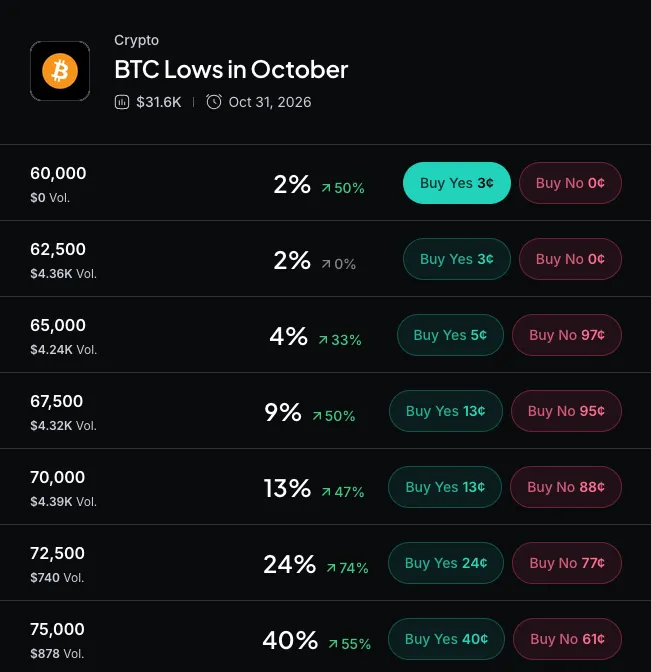
As of Thursday, both the 10 BTC and the 90.02 BTC were still resting in their new addresses, with no onward transfers recorded. So Bitcoin holders, take a breath: this whale isn’t offloading coins — at least not yet.