


Polygon Open Money Stack (OMS) now has agent spend controls. A product can hand an AI agent a scoped permission on a wallet it already runs, and that permission carries a defined task, a set of approved payment actions, a budget and an expiry date. Each time the agent tries to pay, the wallet compares the request with the terms the team put in place.
No game is tied to this release. It’s payments infrastructure for teams on Polygon whose agents have to buy compute, data or API credits from approved providers. With it, an agent can cover those costs without asking a person to approve the wallet again whenever a service needs more funds.
How the limits work
The permission lives onchain. A team picks which contracts and methods are allowed, sets a maximum token amount and adds an expiry. Those terms go into the onchain Sessions Module of the wallet the team already has, and the agent relies on that permission to request payments within the approved scope.
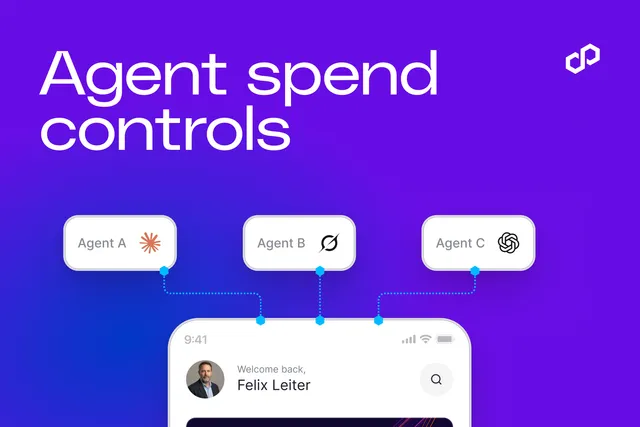
Both the agent and the backend are able to submit payment requests. After the rule is approved, neither can increase the budget, add approved actions or push back the expiry. The wallet checks each request at the moment of execution, and anything that falls outside the rule gets rejected at the contract level.

A worked example
In Polygon’s example, an agent keeps a development team’s AI-compute account topped up. The team first approves the terms in its existing wallet: a maximum USDC spend, the payment actions allowed and an expiry. When the account’s credit gets low, the agent asks an approved provider for a top-up. The wallet blocks the request if the agent exceeds the budget, calls an action outside the approved scope or tries again once the window has closed.
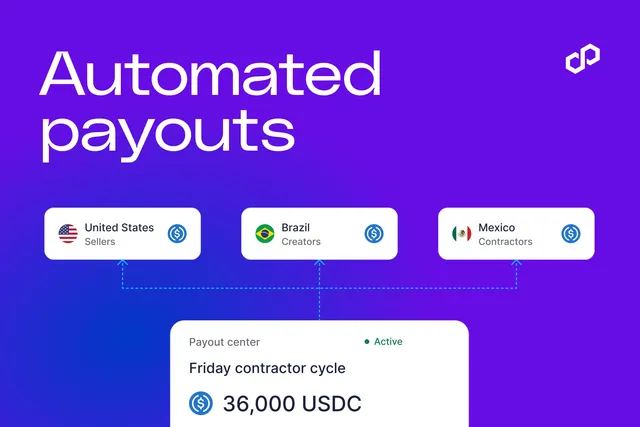
According to Polygon, the same setup applies when an agent buys approved services, tops up a product account, pays an invoice that matches established terms or settles an agreed transfer between business wallets.
Where x402 and the Machine Payments Protocol fit
Polygon breaks an agent purchase into two parts. The first is the service stating its price and asking for payment, an exchange that protocols such as x402 and the Machine Payments Protocol help structure. The second is the wallet deciding whether the agent has permission to pay, and that’s the step spend controls cover.
OMS provides the funded balance, a bounded permission to spend it and the money movement around each payment. Polygon says the same OMS integration can take on payins, payouts, routing and settlement as a product scales, which means teams don’t need to bring in new providers for every step.
For technical teams, Polygon has released the permission model, a wallet quickstart and a wallet configuration reference.
Polygon Labs notes that the features and examples are subject to applicable law and may not be offered in every jurisdiction. It also reserves the right to modify, suspend, limit or discontinue any part of OMS at any time, and says use of OMS falls under its terms and conditions.