

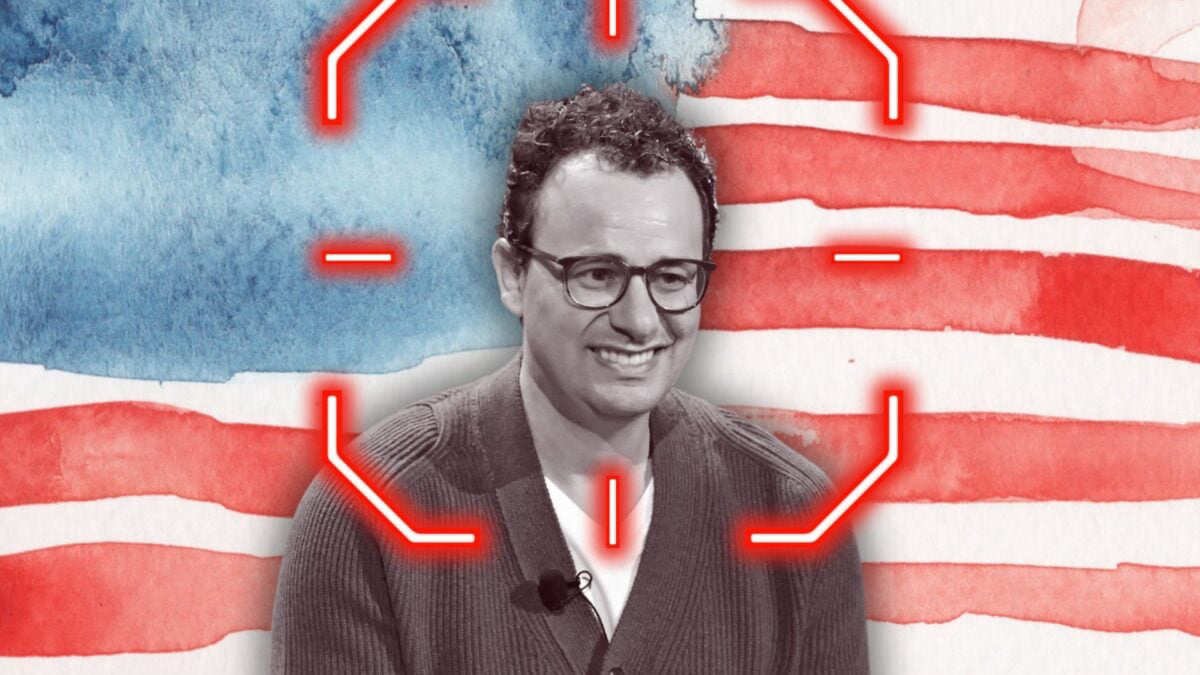
The very document meant to persuade investors to back Anthropic will reportedly carve out space to explain how deeply the public resents what firms like Anthropic do.
The claim comes from CNBC, which attributes it to unnamed “people familiar with [the] matter.” That outlet was also first to describe a run of San Francisco meetings in which Anthropic Chief Financial Officer Krishna Rao has been fielding questions from prospective investors ahead of the company’s IPO prospectus going public.
According to the report, hostility toward both Anthropic’s product and the data centers running it is set to appear in the prospectus as a “key risk factor.”
What a risk factor actually means here
A prospectus is the central formal disclosure telling investors what they need to know before committing money to Anthropic. Putting public outcry in it is not a marketing decision. It is a concession.
Nor is the outcry at issue merely a grumbling comment section. Candidates from both major parties increasingly run against AI on the campaign trail.
How far the prospectus goes will determine whether it has to reckon with disruptive protests aimed at AI and data centers — reportedly including several incidents involving gunshots, plus at least one molotov cocktail.
Compare it to how SpaceX handled the same question
Public sentiment was not a focus of SpaceX's IPO earlier this year. That stands out, given that AI was arguably the biggest single source of future revenue named in the SpaceX prospectus.
Reliance on natural gas did get a mention in that filing. But it landed under regulatory considerations, rather than anywhere that looked like a section on public anger over pollution.
Grok was flagged as well — specifically, the concern that the chatbot’s brashness and its capacity to generate “potential nonconsensual or exploitative imagery” could produce “reputational damage” or “user or advertiser backlash.”
Look closely and the omission becomes obvious. Those are risks tied to a product misbehaving and advertisers heading for the exit. Principled opposition to AI as such seems to be absent entirely.
The difference is who the enemy is
In one filing, backlash is framed as a customer-relations issue. In the other, assuming the reporting is accurate, it is framed as a structural feature of the business itself.
Committing that to paper is considerably harder in a document that lawyers scrutinize line by line, since no content policy revision or improved moderation model makes the problem go away.
We contacted Anthropic to verify that the San Francisco investor meetings were happening, and to seek comment on the reported contents of the company’s IPO prospectus. No reply had arrived by the time of publication.
For a sense of how much weight to give all this, there is one detail worth watching once the prospectus is published: whether the data center language ends up in the regulatory section, where it reads as a compliance cost, or among the risk factors, where it reads as a threat to the business.