

A daily ceiling of two hours. That is what Meta has now agreed to impose on teen accounts across Facebook and Instagram in the US, and of everything in this settlement, it is the piece the affected users will genuinely notice.
Much of the rest of the deal reads like a compliance document. This clause reads like a curfew.
What Meta actually signed
As part of a child safety settlement struck with attorneys general nationwide, Meta committed to far-reaching changes for teenage users. The agreement obliges the company to roll out new safeguards on Instagram and Facebook that alter how teens engage with each platform and limit their access at certain hours.
Behind the settlement is a nationwide lawsuit claiming that Meta, Google, TikTok and Snap failed to keep children safe and deliberately engineered their platforms to be “addictive.” Signatories number 51 US states and territories, among them New York, New Jersey, California, Nevada, South Carolina, Washington, Illinois and many more.
The bulk of these protections must remain in force for a minimum of 10 years. That figure deserves a pause. Product policies at this company tend to last about as long as a beta feature. A decade-long obligation backed by 51 attorneys general is another matter entirely.
Where the rules don’t apply
Every US state will see the changes on Facebook and Instagram, with two exceptions. New Mexico is currently fighting its own legal case against Meta. Florida, which has already prohibited children under 14 from opening social media accounts, falls outside the deal altogether.
Texas negotiated its own separate settlement with Meta containing comparable requirements.
Which means a parent trying to figure out whether their child’s account is affected gets an answer that hinges on their zip code. For a settlement billed as nationwide, that is an awkward result.
The safeguards Meta says it’s keeping
Meta has pledged to retain a number of protections it already operates. Teen accounts default to more private settings across the board. “Potentially suspicious adults” cannot send them messages. Adults face added friction when trying to find, follow or interact with younger users.
The company added that its age-appropriate content restrictions will stay too — the filters that keep posts featuring nudity, sexual content, strong language or dangerous stunts away from teens.
None of this breaks new ground. These are existing policies, now bound by a legal agreement rather than announced in a blog post. How comforting that is depends on how much stock you put in the blog post.
The $17.1 billion asterisk
Over the next 10 years, Meta owes states $17.1 billion. Yet $5.3 billion of that total is contingent on conditions the company cannot influence.
According to Meta, that $5.3 billion will change hands only if TikTok and YouTube match the payment, introduce a daily time cap for teens, impose nighttime restrictions and deploy age assurance measures.
The company is publicly urging both rivals to follow suit, arguing that “these protections will only be truly effective if we work with our peers.”
Stripped of the framing: Meta has tied roughly 31 percent of its own settlement bill to the conduct of two competitors that signed nothing. It is a shrewd bit of negotiating, applying public pressure to TikTok and YouTube while costing Meta nothing should they shrug it off.
What to watch for on your kid’s phone
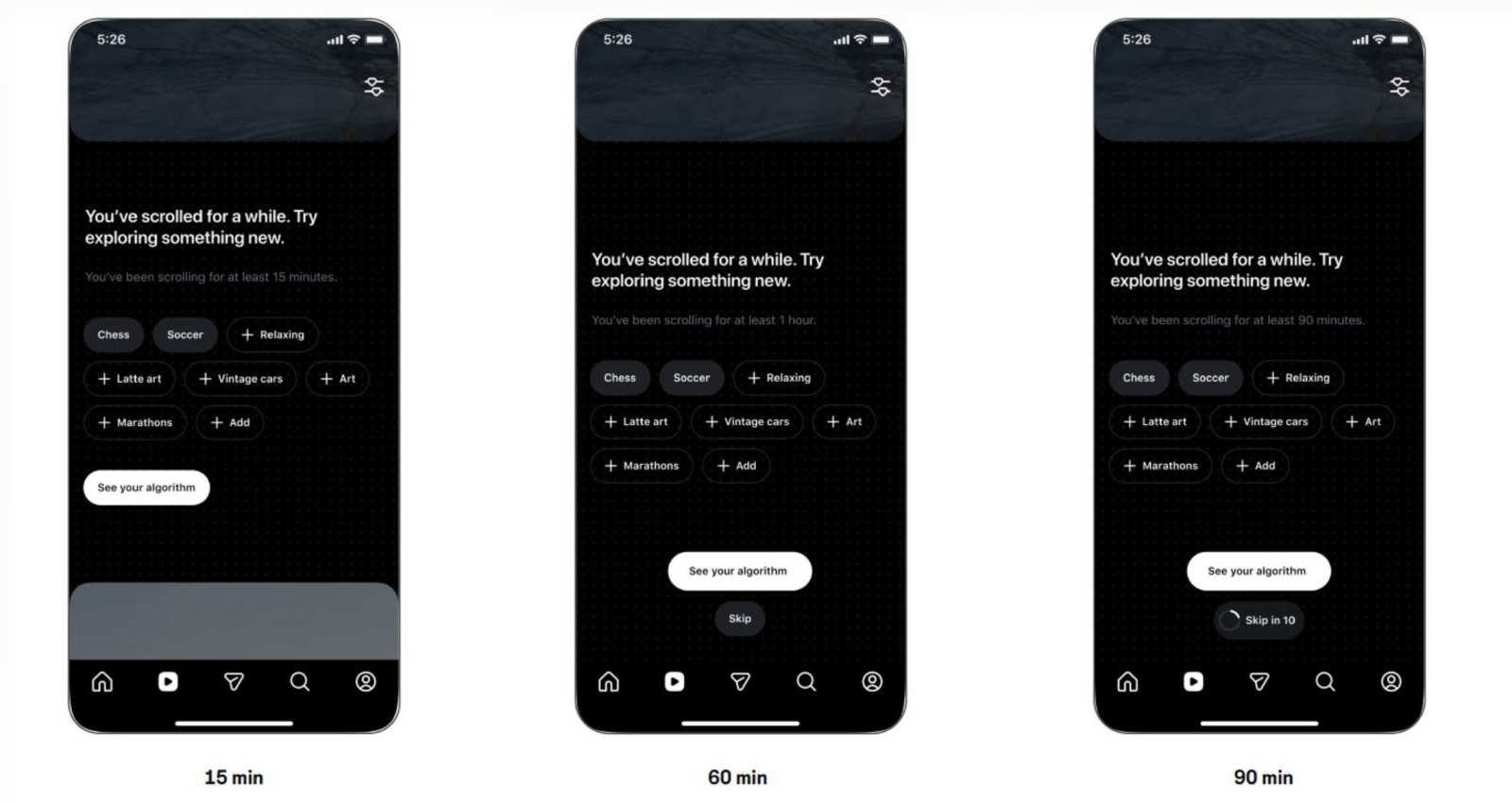
For anyone overseeing a teen’s account, the two-hour cap and the overnight restrictions are the changes likely to spark arguments at the dinner table. The remainder plays out silently inside account settings that most teens never bother to open.
Start by checking your state. In New Mexico or Florida, none of it applies, and the talk you need to have with your kid is simply the one you were already planning.