

Someone actually sat down and typed that sentence. People tend to forget that part.
The chipper or downtrodden NPC stationed at the rim of a wasteland, the hushed room above a gambling den, the spectral woman wafting through your hero’s sleep: in every case a developer picked those words. The ghost was free to simply shriek. She asked what being human means instead, the way an actual person might.
The bulk of that writing burns off. A little of it refuses to.
The lines that follow you to the supermarket
A handful of quotes wedge in somewhere under the ribs and sit there well after the console goes dark. You say them to strangers waiting to pay for groceries. You aim them at colleagues who have no idea what you mean. At some point they quit being quotes and become a piece of your own speech.
Which is why somebody put together a list of the 100 greatest video game quotes of all time earlier this year, drawing on every period the medium has had. A single line finished first. After months of argument, and 40 years on from the release of the game it belongs to, the verdict hasn’t budged. It’s still number one.
Below is the scene that produces it, and odds are you’ve never laid eyes on it.
The rescue that happens off-screen
Picture dusty wilderness. An elderly woman is boxed in by monsters, exhausted after hours of fleeing the slobbering hordes and a long way from young. A boy drifting along the edges of the scene turns up and scatters her attackers.
She thanks him. Her thanks grow considerably warmer once he says yes to saving the kingdom of Hyrule.
Those two are Link and Impa, and The Legend of Zelda picks up the instant that encounter ends. The Famicom Disk System title, still among the finest things the NES ever received, puts none of it on screen. Skip the instruction manual and you’d never learn it took place at all.
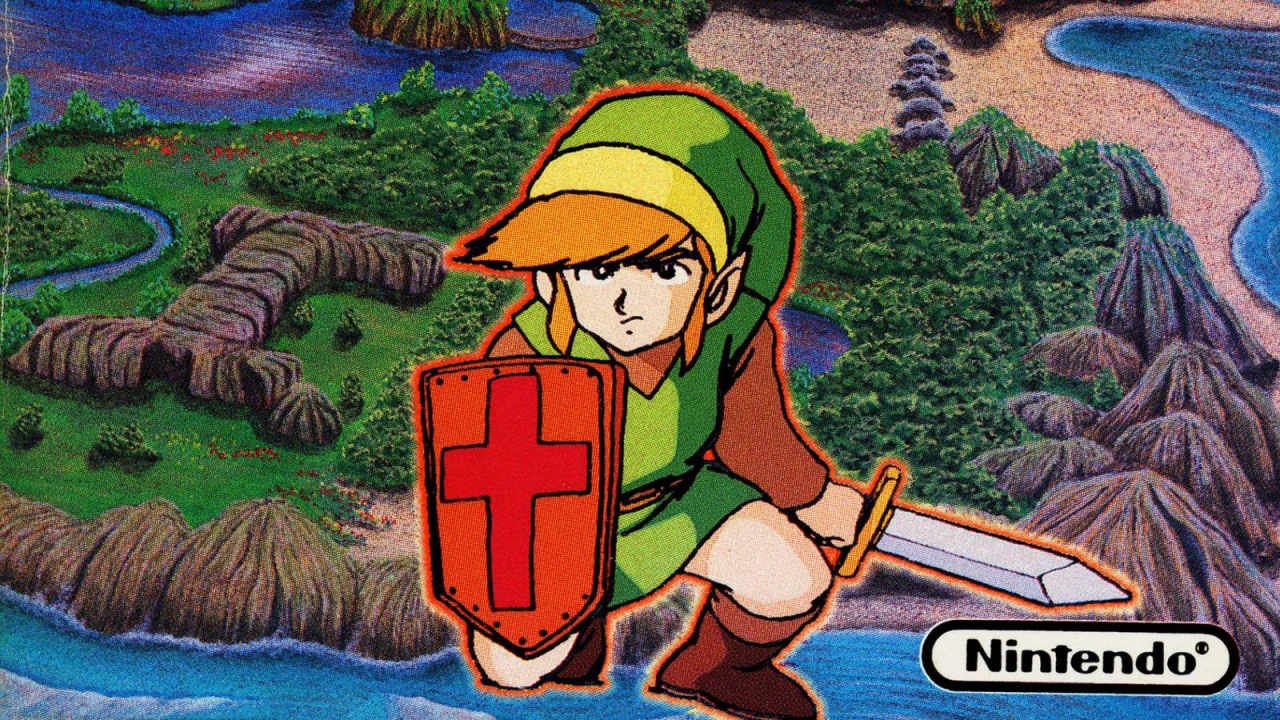
Here’s what the game does give you: Link, facing a cave, eyes forward. In he goes. An old man delivers the only backstory a certain number of us will ever require.
“It’s dangerous to go alone! Take this.”

Nine words doing the work of a manual
Back in 1986 there was no way to grasp what sat waiting beyond that cave mouth. The line established the mood regardless. It flagged a brutal wilderness before a single enemy had crossed your path. It supplied the very particular comfort that arrives only when your hand closes around a sword hilt. And it made clear that, for the most part, nobody was coming to help.
For the most part. Not entirely.
A good many of us rolled the credits and dove straight into the second quest, the nastier one, which begins with another visit to that identical cave. Identical warning. Identical familiar blade.
Except on the return trip it stops functioning as a warning. It turns into a promise. Hyrule hasn’t gotten any safer, but by then you know you’re equal to it, so there’s no flinch. There’s a grin.
Why you still say it out loud
The wording wanders into everyday conversation. It becomes memes across social media. More recent games tip their hat to it here and there.
And let’s admit to the household variant: your partner is already half through the doorway, you pass over the packed lunch, and you caution them about the perils of going alone. Grave moments, ridiculous ones — it fits either.
Aim it at someone and you’re summoning every previous occasion you strayed into the digital wilds. It earns a smile, that thing held in common, that warm little spark of an experience a vast number of us had apart and together at once.

Briefly, it prompts you to consider what this medium has amounted to, and what it could amount to in the years still coming. Every one of us has weathered plenty enough to want the adventure.
So your hand goes to the sword once again.