

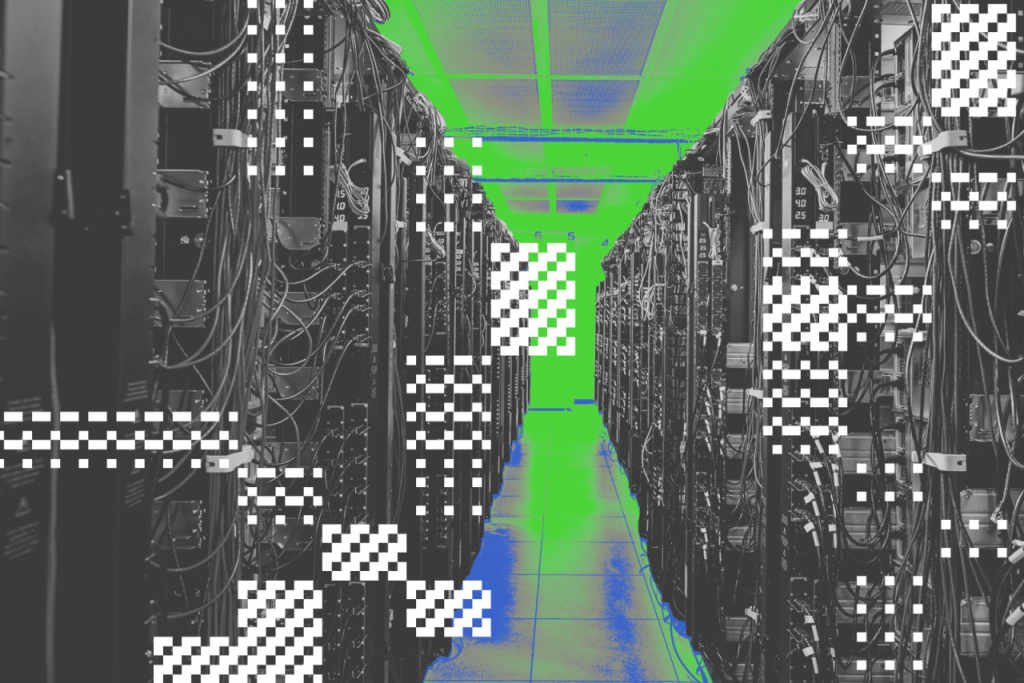
Picture 23 million shipping containers packed with dead electronics. That, according to a new report, is the scale of the junk heap the AI buildout will leave behind by 2050 — line up that many 40-foot containers end to end and they would circle the planet roughly six times.
The figure was published today by the nonprofit Basel Action Network. It sits far above every earlier attempt to measure the problem, and the gap has nothing to do with a gloomier read on AI demand. It comes down to arithmetic about what is actually inside a data center.
Counting the servers was never counting the whole building
Previous estimates looked at servers and accelerators. BAN’s argument is that doing so leaves out roughly 87 percent of a data center’s electro-mechanical infrastructure.
So the group tallied everything else: power supply and distribution, cooling systems, backup power, networking gear. Every piece of it degrades. Every piece of it gets torn out and swapped on a schedule — and none of it appeared in the earlier counts.
BAN layers on a further category it labels “AI Waste Contagion,” covering everything from telecommunications infrastructure to personal devices likely to be rendered obsolete and replaced sooner because of advances in AI. That is the squishiest piece of the model, and it carries real weight in the final number.
The arithmetic, in units you can check yourself
The report’s foundational figure is 70,000 metric tons of e-waste for every gigawatt of data center capacity. BAN combines that with a McKinsey forecast putting total data center capacity as high as 219GW by 2030.
Project AI-related equipment retirements across 2025 to 2050 and the total lands somewhere between 395 million and 617 million metric tons — call it 8.6 million to 13.1 million metric tons hitting the scrap stream each year.
Worldwide, BAN sees e-waste tripling to as much as 211 million metric tons annually by 2050, with roughly 15 to 20 percent of that traceable to AI.
How that stacks up against the earlier studies
Research published in 2024 forecast AI e-waste somewhere between 1.2 million and 5 million tons by 2030. A separate paper from February concluded that AI servers alone could generate 131,000 to 225,000 tons a year by decade’s end.
Taken alone, that February number is hardly small — it is on par with the entire e-waste output of a country the size of Denmark. Place it beside BAN’s annual range, though, and the distance is about two orders of magnitude. That tells you the dispute isn’t over how fast AI gets adopted. It is over where you draw the boundary around a data center.
Where it all ends up matters more than the tonnage
The planet already produces 68.3 million tons of e-waste annually, and fewer than one in four tons is formally collected and recycled. The remainder vanishes into informal waste collection, where equipment is burned or buried, exposing workers and everything around them to toxic materials such as lead and chromium.
No country hosts more data centers than the US. It is also not a party to the Basel Convention, the treaty written to curb international trade in hazardous waste.
Investigations have documented American recyclers still sending e-waste overseas, where much of it ends up in what is known as “backyard recycling.” According to the World Health Organization, millions of children who are made to work at or live beside these operations face health risks from that informal processing.
The warning, in the report’s own words
“AI may feel weightless, but every model depends on an enormous amount of highly specialized, cutting edge hardware,” said Jim Puckett, founder and chief of strategic direction at BAN, in a press release. “If companies and governments do not begin planning for this new waste tsunami, today’s AI buildout could become an even more cataclysmic toxic waste crisis than we are already experiencing.”
Puckett is choosing alarming language on purpose, and the “Waste Contagion” bucket hands skeptics an obvious target. Strip it away, though, and the narrower claim survives: the chillers, the transformers, the backup generators and the switching gear are physical hardware on genuine replacement cycles, and before this report nobody had bothered to count them.
If a single number is worth remembering here, make it 70,000 metric tons per gigawatt. Each time a company unveils a new campus measured in gigawatts, that is the multiplier for what the site eventually throws away.