


Time-slowing is now part of Lara Croft’s toolkit.
It’s the standout addition in the newest showcase for Tomb Raider: Legacy of Atlantis, and it says almost everything about the direction this franchise has chosen. The second attempt at remaking the original Tomb Raider has no intention of being the original Tomb Raider.
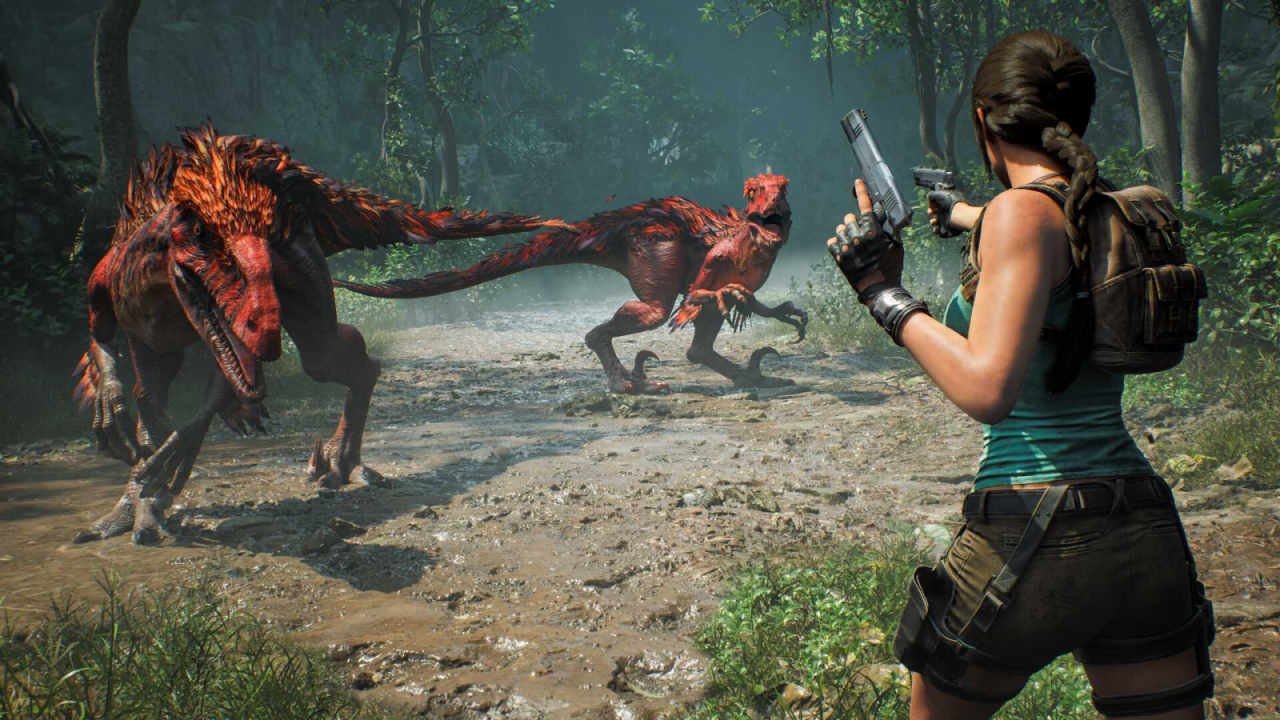
Posted to the official Tomb Raider YouTube channel, the video walks through a combat focus system that slows time so Lara can nail the acrobatics the series is known for. The developers also put weight on enemy attack patterns — the pitch being that players study them, dodge, and answer back with Lara’s dual pistols.
Arriving in 2027, the game is hauling another twenty years of design trends along with it.
The skill tree arrives
Nowhere is the shift more obvious than in progression. Design director Jason Epps spoke warmly about being able to “affect and increase Lara’s power” in the rebooted Tomb Raider titles, and Legacy of Atlantis picks up where that left off: a skill tree, herbs that can be cooked into food for buffs or healing, and weapons beyond the pistols.
Plenty of players will hear “RPG-inspired systems” and sign up on the spot. Count me out.
When it debuted, Tomb Raider was an outlier. What this reimagining is offering are routine pieces of modern game design that come across as obligatory rather than inspired.

A 10% firing rate boost is not an adventure
During its brief glimpse of the skill tree, the trailer surfaces a perk that “Increases the firing rate of all weapons by 10%.” Handy, no argument there. But digging through menus for minor stat bumps doesn’t clearly make an expedition any more thrilling or immersive.

Set that against the 2007 remake. Tomb Raider: Anniversary absorbed the design language of its era as well, trimming the linearity and bringing motion controls to the Wii. It belonged to its moment. This one belongs to its moment too — and that’s precisely the issue.
The AI question hasn’t gone away
Tomb Raider: Legacy of Atlantis has additionally drawn criticism over its use of generative AI during development.
That’s a different argument from the combat and progression rework, but it’s the one that keeps trailing the project.
What’s actually in the box
The premise is a reimagined origin story that throws players into Lara’s first worldwide expedition, tracking down the scattered fragments of a mythical artifact linked to the lost city of Atlantis.
Longtime fans should recognise echoes of classic tomb dives, puzzles and treacherous ruins. Anyone new gets modern survival combat and exploration, built in Unreal Engine 5.
More is still to be revealed, and Legacy of Atlantis may well be holding back better skills and sharper ideas. I’d be happy to be proven wrong.
One thing is beyond dispute: this is not the original game with a fresh coat of textures. Whoever is guiding Lara Croft has concluded the map needs redrawing, and the first landmark they’ve placed on it is a slow-motion button.