

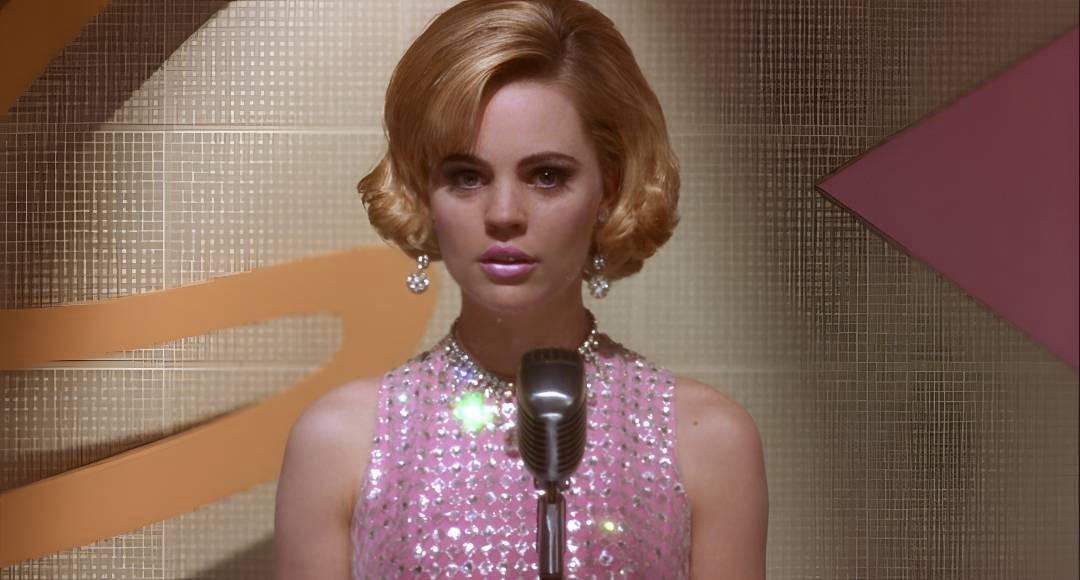
Something no one can see attacks a young woman. She drowns. Steven Spielberg starts Jaws with that shot, and for the two hours that follow he never eases off.
That is the entire method, and it explains why one ingredient decides whether this genre works at all. Suspense. Without it, no amount of pacing rescues a thriller. Nor do characters you would gladly spend time with in any other film.
The Fugitive (1993) and Oldboy (2003) have earned their reputations, and each one would fall apart without that gut-level urgency, the feeling that registers as anxiety, or excitement, or the two together.
Consequence is the second demand. A thriller must establish that while the threat remains loose, no one on screen is protected. Nail both of those, and the clever twist and the movie magic all fall into place.
These are the five most exciting thrillers ever put on film.
The Silence of the Lambs turns talk into a weapon
Working from Thomas Harris’ 1988 novel, Jonathan Demme built something completely his own. FBI trainee Clarice Starling (Jodie Foster) is young, and the assignment dropped on her is not one she saw coming: track Buffalo Bill (Ted Levine), a serial killer whose victims are all women.
Demme films Clarice’s routine hours at the Bureau with a claustrophobic eye, and the exposure she feels standing in rooms full of men never needs to be spelled out in dialogue. She shoulders past the judgment regardless and asks a cannibal for help.
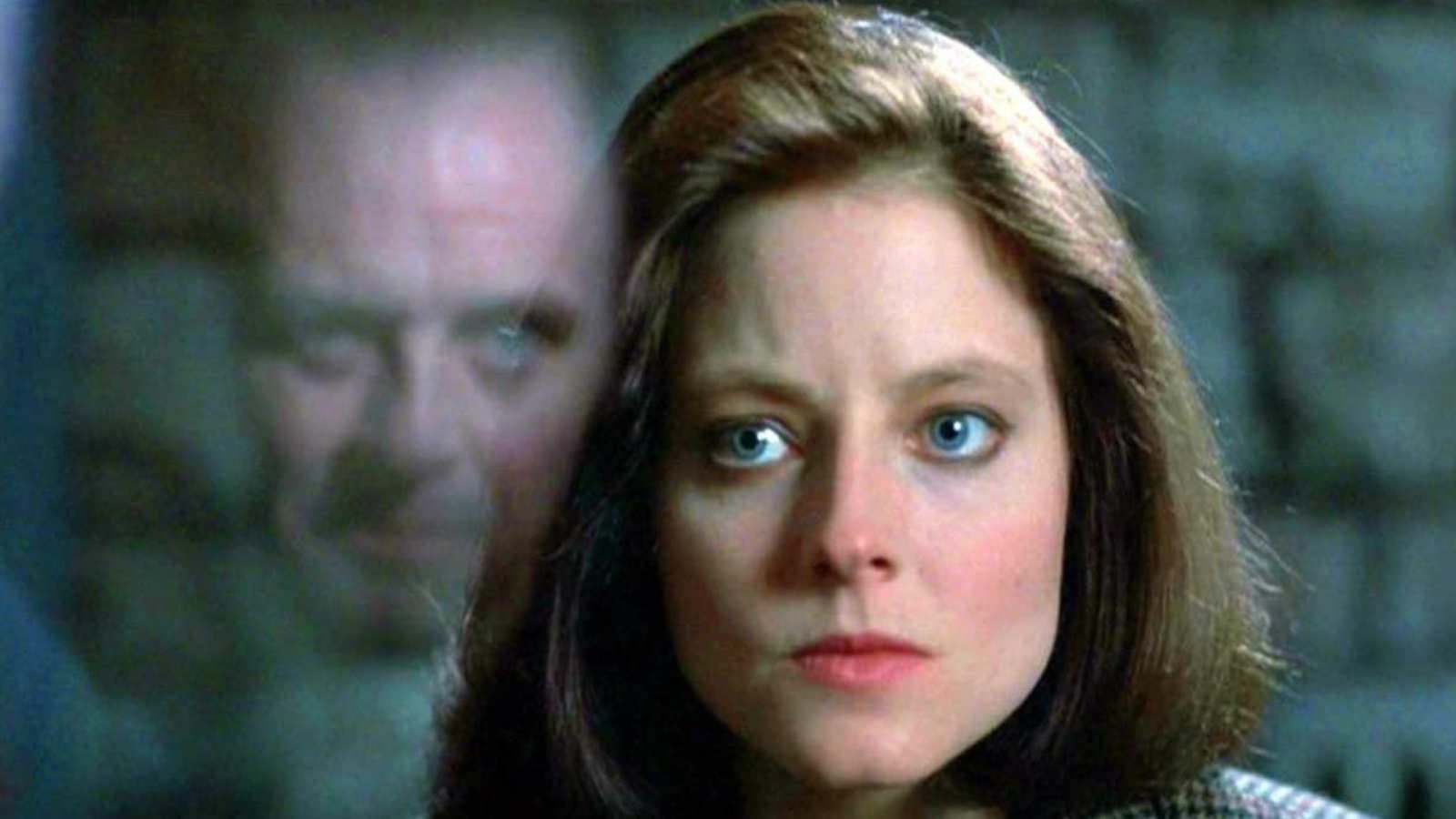
Hannibal Lecter (Anthony Hopkins) warms to her on sight. Her moral integrity is what draws him in, along with her willingness to stand brave before a danger she cannot anticipate.
Every second Bill occupies the screen he is menacing. Yet the tension really lives in those close-quarters exchanges, in the polished cat-and-mouse routine Lecter demands Clarice play if she wants her killer. He presses her to inhabit the suspect’s mind, and in return he dismantles her to see what makes her tick.
Shifting perspectives, red herrings, sequences that crawl right up your spine. Demme sets light against darkness until the picture becomes suffocating, then picks the precise moment to swing the door open into gore-fueled carnage.
Memento strands you exactly where its hero is
Bending time has been Christopher Nolan’s lifelong project. Inception and Tenet lean on elaborate sci-fi to drive their thriller machinery, while Memento arrives at the same disorientation using nothing elaborate whatsoever.
Its source is Jonathan Nolan’s short story Memento Mori. Anterograde amnesia leaves Leonard Shelby (Guy Pearce) unable to create or retain new long-term memories, and his existence becomes a dizzying puzzle as a result. His method for hunting the man who murdered his wife and left him this way runs on photographs, notes and tattoos.
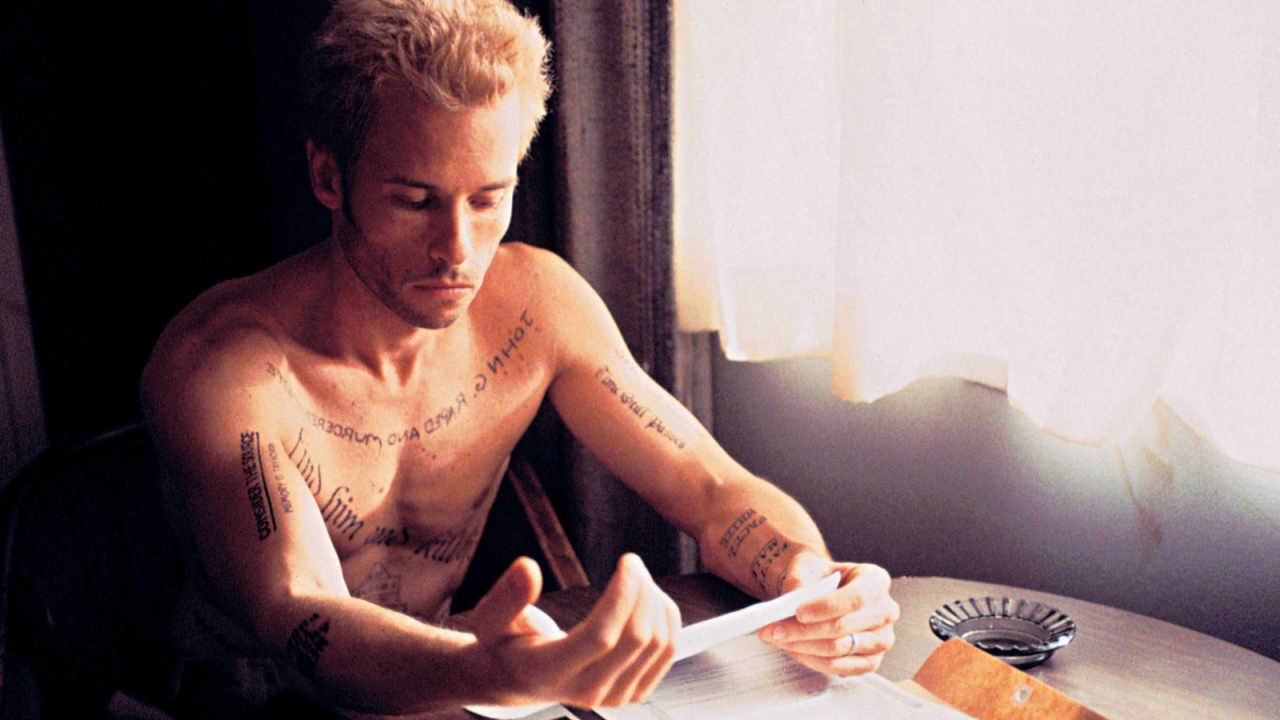
The non-linear structure is stitched together with genuine discipline, and the amnesia pulls double duty as the engine of tension. Leonard’s confusion becomes yours. You descend into his splintered edition of reality right beside him.
That makes it perfect ground for an unreliable narrator. Gradually the suspicion creeps in that Leonard’s lens on all of this is warped. Teddy (Joe Pantoliano) and Natalie (Carrie-Anne Moss) appear to swap loyalties again and again, except the swapping may be occurring within Leonard’s own sense of self. This is a film with an intimate grasp of immersion, and of how to shatter it.
Mulholland Drive reveals itself only on a second viewing
David Lynch deals in ideas, and those ideas tend to be dreams. Setting aside The Straight Story, Mulholland Drive ranks among his more accessible works, and it will still leave you bewildered on a first pass.
Betty Elms (Naomi Watts) arrives in Los Angeles bright-eyed and hungry, intent on making it big. Then an amnesiac calling herself Rita (Laura Harring) enters her life and the surreal begins piling up: a blue key, a strange woman’s death, a peculiar episode inside a nightclub.

The riddle seems unsolvable right up until you concede how thoroughly Lynch adores the smeared boundary between what is real and what is illusion. He had mined that same vein already in Lost Highway and Blue Velvet, filtered through wholly different takes on identity and dream logic.
Suspense is woven into the fabric here, and a single viewing will not cut it. The moment you locate the key to the bleak counter-narrative threading through the back half, the film becomes something unforgettable about grief, rejection and disillusionment with stardom.
Jaws keeps the shark offscreen and puts greed in frame
Spielberg is in no rush to reveal the great white. Suggestion does the work instead, and by riding along with the creature’s point of view he captures the raw dread its victims know in their final moments.
That withholding by itself would have delivered a superb killer-shark movie. He pushes past it and fleshes out the people at the story’s core, because what occupies the film is not so much a ravenous animal as the greed of those who keep endangering others to defend capitalist interests.
The shoot itself was hugely ambitious and truly hazardous, which lends another dimension to Spielberg’s achievement. Tight spaces, faces held in close-up, artful blocking: craft is where the suspense comes from, with the director wringing the best out of wretched behind-the-scenes conditions and the unruliness of the real ocean.
The dread is shared between police chief Brody (Roy Scheider), marine biologist Hooper (Richard Dreyfuss) and fisherman Quint (Robert Shaw). Flawed as they are, they form the human tether that keeps you fastened to the tragedy as it plays out.
Vertigo casts nostalgia as the antagonist
No conversation about a suspense-driven genre gets far without Alfred Hitchcock. Vertigo is his disorienting study of grief and obsession, and a fall sets it in motion: Scottie Ferguson (James Stewart) is left with a fear of heights, vertigo included, after a colleague dies attempting to rescue him mid-chase.
Retired and hunting for something to occupy him, Scottie accepts a job from an acquaintance and becomes fixated on the woman he is watching, Madeleine (Kim Novak). The obsession grows odder, and each new turn lays bare how precarious his psychological state has become.
To shoulder all that dense psychological freight, Hitchcock draws on a lavish cinematic vocabulary. Saturated color breeds anxiety. The dolly zoom, still the shot of his that gets quoted most, produces vertigo in the viewer outright. Occupy Scottie’s version of reality for a handful of seconds and his impulses cease to feel abstract.
On the surface it is a conventional detective mystery. Underneath sits something far darker about male obsession and entitlement, and about how grief can bend a person’s morality until it destroys them.
Nostalgia in Hitchcock’s universe is never a tender feeling. Want the past desperately enough and even the soundest mind is driven straight into its worst self.