

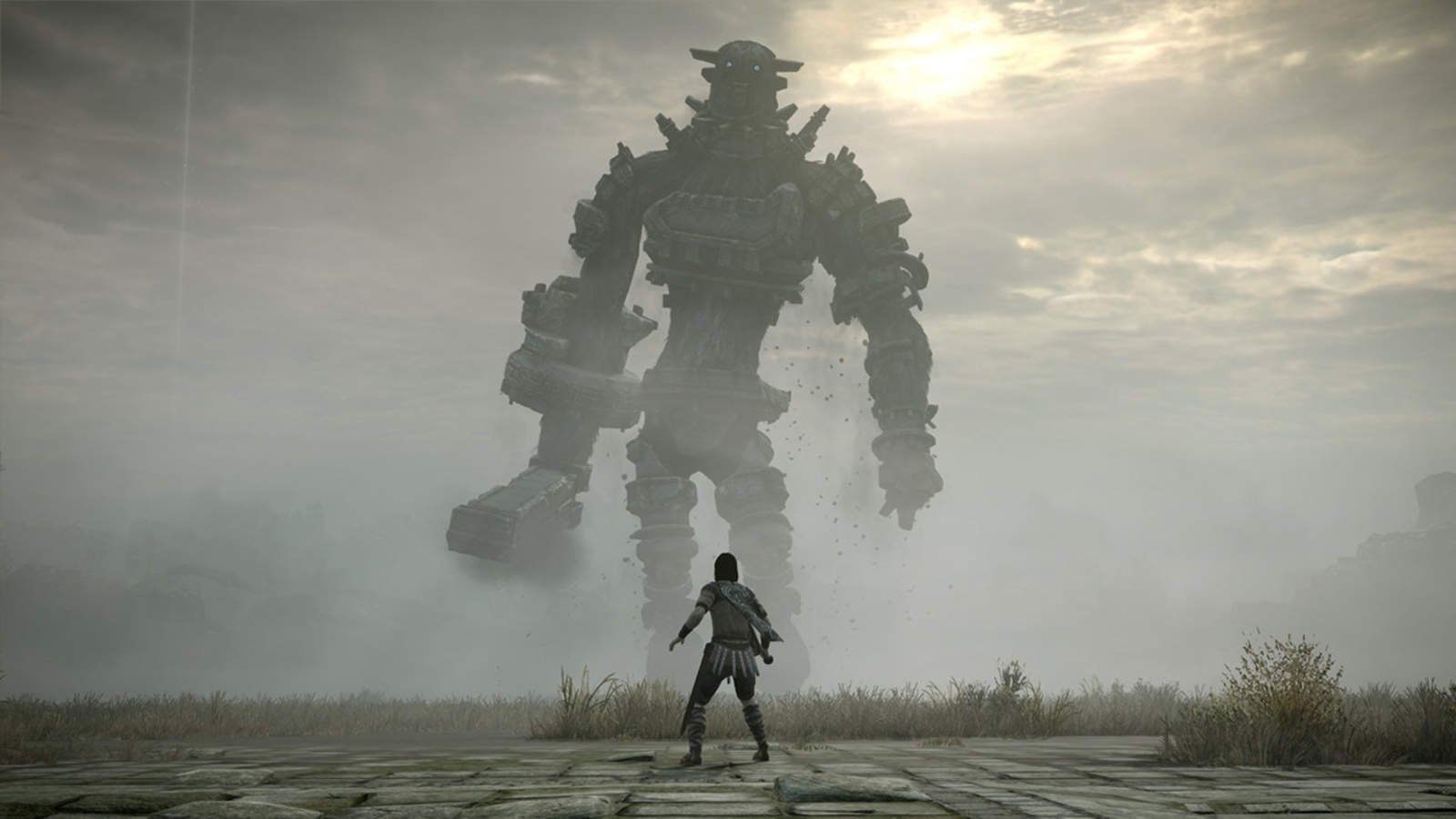
Back in 2005, a young man called Wanderer set off on horseback across a bare plain, hunting for something roughly the size of a cathedral so he could scale it. There were no quest markers. No side content. Only grass, wind, and an enormous problem waiting on the horizon.
The game is Shadow of the Colossus, and it belongs near the summit of any serious ranking of PlayStation 2 open worlds. Metacritic lists it with a 91 Metascore, and its ambition and sense of scale flowed straight into Nintendo’s thinking on Zelda: Breath of the Wild. Put bluntly: without what Shadow of the Colossus pulled off on PS2 hardware, Breath of the Wild probably never happens.
As Wanderer, you head out into an enormous open world to track down the colossi and topple them, all to bring Mono back to life. That is the entire loop. And it works.
Why the PS2 mattered for maps
Moving up from the original PlayStation handed developers breathing room, and what they spent it on was scale. Open-world maps swelled, and that brought a particular kind of immersion — the sort where an hour disappears just from travelling through a place.
A handful of PS2 titles altered gaming for good. God of War. Resident Evil 4. Metal Gear Solid 3: Snake Eater. Grand Theft Auto 3. Not one of them is automatically the strongest entry in its own series, and every one of them rewrote the rulebook regardless.
The PS3 generation and games on the order of Skyrim were still some way off. The groundwork, though, was laid right here.
Springfield, with a getaway car
Nobody would call The Simpsons: Hit and Run a masterpiece. For our purposes it is something more useful: an open-world game that people are still discussing more than 20 years later, so much so that a remake is in the works.
The 2003 release gives you a rotating roster of characters pulled from the show. You wander about. You swing melee attacks. Above all, you drive around Springfield — cautiously or recklessly, with the police turning up according to which approach you take.
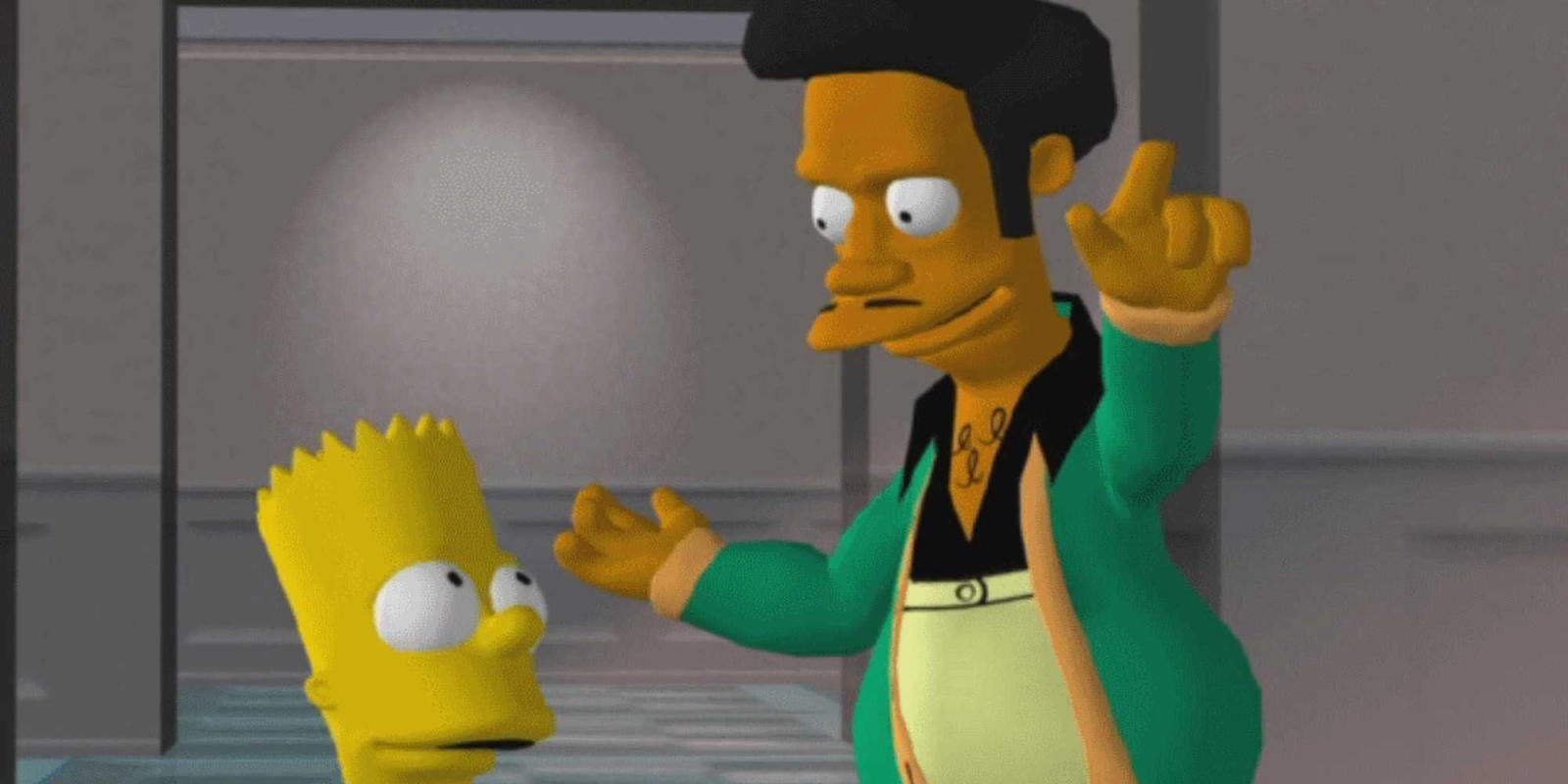
It has never shaken off the comparison to Grand Theft Auto 3, and that is a fair charge. The driving missions are built on the same skeleton.
Jak went dark and it worked
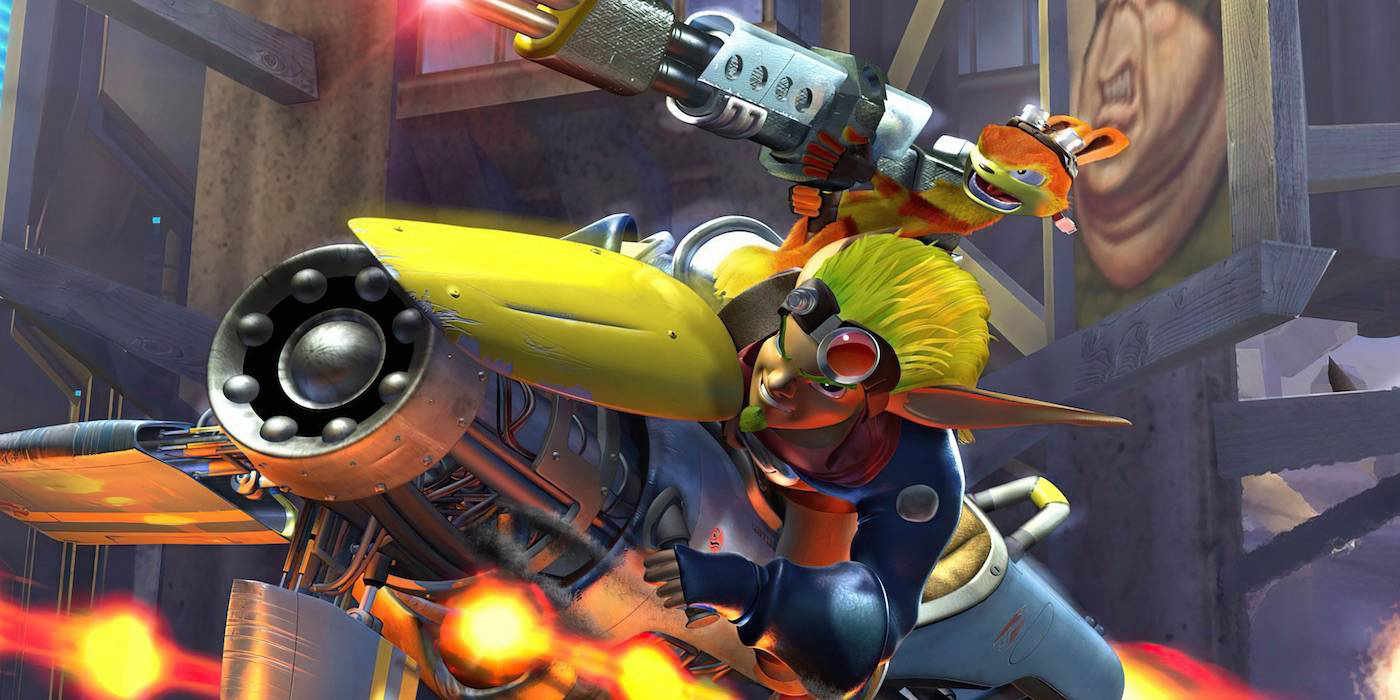
Jak 2 took the cheerful, colourful world of Jak and Daxter and hauled it somewhere considerably bleaker. Vehicles. Firearms. A nastier toolkit.
The Jak in your hands is older and cloudier, tainted by Dark Eco and capable of switching into Dark Jak for additional melee force. He makes his way around Haven City on a Jet-Board or behind the wheel of stolen cars. The mystical elements carried over from the first game — Precursor Orbs included — remain, now embedded in a steampunk setting that lodges itself in your head.
Rockstar’s best game is set in a high school
Released in 2006, Bully drops players into Bullworth Academy in the shoes of Jimmy Hopkins, a delinquent whose aim is to stamp out bullying on campus. In practice that means brawling with bullies, and occasionally with teachers.
The narrative unfolds in chapters and missions push it along, but the school itself is yours to roam. A remake or a sequel has been on the fan wishlist for years. Nothing official has been announced.
The web-slinging that everyone else copied
Spider-Man 2 landed in 2004, spun out of Sam Raimi’s film, and handed you Peter Parker loose in an open-world New York: Manhattan, Roosevelt Island, Ellis Island and Liberty Island.
Its combat still stands up, varied enough that the fights never run together. Movement is the genuine attraction. Swinging is loose, unrestricted and generous about how far you can push it. Spider-Man (2002) had taken a swing at this already. The follow-up made it feel like second nature.
Bayview, no cops, all night
Electronic Arts put out Need for Speed Underground 2 in 2004, an arcade racer set in Bayview that turns you loose to cruise around in cars bought and tuned using race winnings.
Its plot, picking up directly from the first Underground, amounts to very little — it is there to open up races. What makes roaming the city such a pleasure is that there are no police, in contrast to later entries like Carbon. Fans continue to request a remake. EA has given no indication that one is coming.
Kiryu’s cities are small and completely alive
Yakuza 2 arrived in 2006 as the second instalment in the series known these days as Like a Dragon, and as a direct sequel to the original. You control ex-yakuza Kazuma Kiryu across a rebuilt Shinjuku in Tokyo along with Osaka’s Dotonbori and Shinsekai.
The plot is thick and will keep hold of you for hours, even if this is not the franchise’s longest entry. The districts are compact and nothing like the size of what Spider-Man 2 hands you. It hardly matters. Everything surrounding Kiryu feels lived in.
Skating without a loading screen
Tony Hawk’s American Wasteland earns a spot here on the strength of its interconnected open zones, which you traverse at will. It was the first in the series to let you cross the entire map without interruption, whether on a skateboard or a BMX.
That 2005 structural shift redefined what the franchise was capable of, and its version of Los Angeles was the biggest map the series had assembled up to then.
A wolf, a paintbrush, and my favorite game on this list
Okami is not a full open world, though its open stretches can be crossed almost seamlessly. The 2006 Capcom title, made by Clover Studio, puts you in the role of Shinto sun goddess Amaterasu, in wolf form.
It has aged like fine wine and it is plausibly among my favourite games ever made, so season my enthusiasm with as much salt as you like. Okami 2 has been confirmed, though no release date exists. In the meantime, Nippon remains worth strolling through, and remains beautiful.
The one that did everything at once
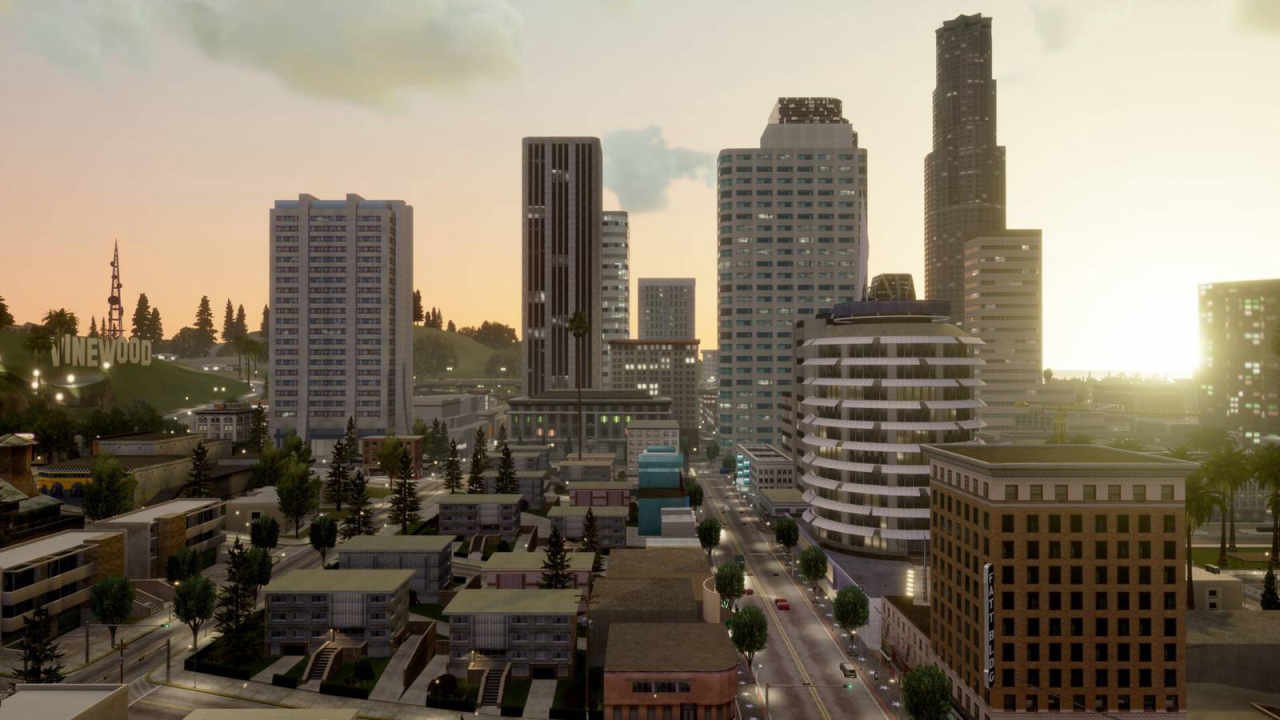
Grand Theft Auto: San Andreas might well be the single most influential open-world game of the whole PS2 generation. Rockstar’s series had been building open worlds for years ahead of 2004. What San Andreas did was explode the range of what you could get up to inside one, over a seamless map stretching across Los Angeles, San Francisco and Las Vegas.
You play CJ, travelling between those cities with a broad selection of vehicles and weapons and a story that keeps dragging you from one to the next. For plenty of players, that map remains the PlayStation 2, end of discussion.