

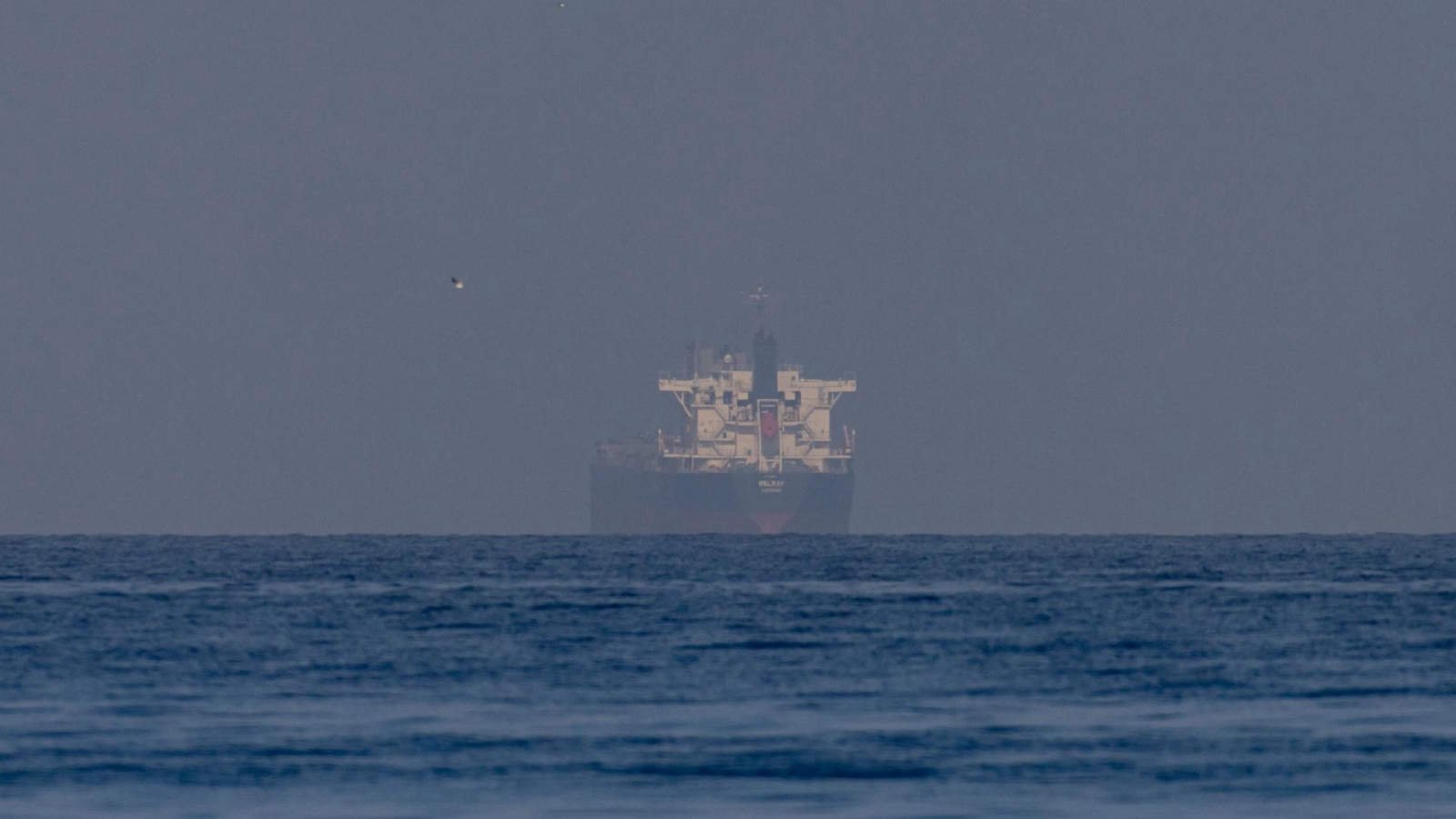
Tankers crossing the Strait of Hormuz have paid Iran somewhere between $1 million and $2 million apiece this year. According to the U.S. Treasury, a slice of those payments has moved through a Tehran-based cryptocurrency exchange since June.
In a release issued Thursday, the Office of Foreign Assets Control named BitBank — a crypto exchange established in Tehran in 2024 — as a designated entity, together with Pishtaz Simorgh Electronic Trade Company, the software developer behind the platform.
“Today’s designations of Iranian digital asset infrastructure make perfectly clear that efforts to finance the Iranian regime using cryptocurrencies are not beyond OFAC’s reach,” Treasury Secretary Scott Bessent said.
Hundreds of millions in bitcoin, and OFAC’s account of the destination
Per OFAC, BitBank channelled hundreds of millions of dollars’ worth of bitcoin to the Islamic Revolutionary Guard Corps — the armed-forces branch that holds sway over large parts of Iran’s economy and carries a U.S. terrorist designation.
During that same stretch, the Hormuz Safe Marine Services Authority started routing its collections through BitBank. That body is the vehicle Tehran relies on to sell vessels “safe passage” insurance, and it drew sanctions of its own on July 29.
A toll operation with a website and a pitch
Iran’s economy ministry built HormuzSafe. Ships that pay are promised insurance, traffic control and emergency response.
OFAC noted that shipping lawyers regard the setup as a breach of transit rights under the Law of the Sea.
The asset freeze isn’t the sharp edge
Designation freezes whatever property BitBank holds within U.S. jurisdiction and prohibits Americans from transacting with it. That is boilerplate, and for a venue running out of Tehran it alters very little in practice.
What carries more weight is the secondary sanctions tag applied to every entity in Wednesday’s action. It pushes the exposure outward to foreign companies: a Dubai exchange or an Istanbul bank that handles BitBank flows risks being severed from the U.S. financial system, even if no American ever touches the transaction.
Offshore platforms serving Iranian customers are therefore staring at the loss of dollar access, not a courtroom. It is a commercial risk rather than a legal one — and that variety tends to get compliance departments moving quickly.
Not one wallet address
And there is the hole. Wednesday’s measure came without a single wallet address attached.
In past crypto designations, OFAC has released bitcoin and tron addresses. Its January action against Zedcex came with seven tron wallets listed. Those strings are precisely what compliance teams feed into screening tools.
Lacking them, a screening system is left matching a corporate name and a software vendor, with no on-chain marker to raise a flag. Names can be swapped out. Addresses cannot, not unless the funds move.
What to watch for in the next tranche
For anyone heading compliance at an exchange with Gulf exposure, the usable part of this designation is not the press release. It is whether OFAC circles back with the address list, as it did in the Zedcex case. Short of that, BitBank’s flows amount to a name on a list — and in this business, names are the cheapest thing to replace.