

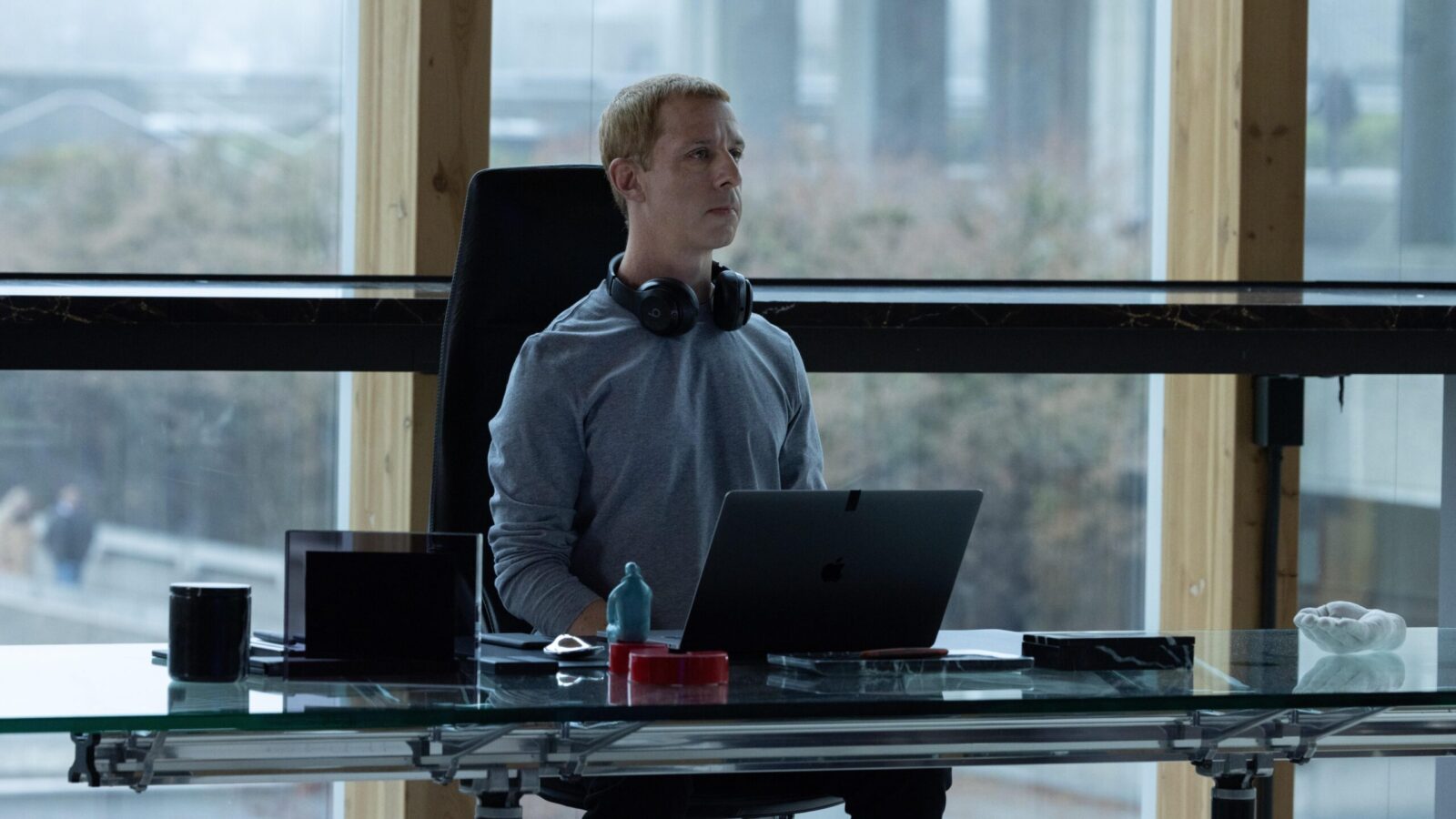
Back in 2010, Mark Zuckerberg was still widely seen as the genius who had changed the world. By 2026, it’s difficult to find anyone with much sympathy left for the man in charge of Meta. Aaron Sorkin’s The Social Reckoning is built on that shift in public opinion, yet it never manages to bring the intensity its subject calls for.
Here’s the bottom line right away. The movie makes a convincing case about the harm social media algorithms have done to our lives. The drama surrounding that case is much weaker. It doesn’t have the propulsive, electric energy that gave The Social Network its operatic feel.
A companion piece, not a sequel
Sorkin both wrote and directed the film, and he’s presenting it as a companion to The Social Network instead of a straight continuation. The approach will feel familiar. The Social Network took material from Ben Mezrich’s book The Accidental Billionaires and turned it into a gripping drama. The Social Reckoning follows the same playbook with The Wall Street Journal’s bombshell reporting on Facebook whistleblower Frances Haugen, bringing the Facebook Files scandal into the story.
Haugen (Mikey Madison) was a product manager on Facebook’s civic integrity team. The story begins in 2019, just as she is starting to understand how the platform’s algorithms amplify hate speech and misinformation.
She thinks Facebook could act to limit that harm if her coworkers took the problem seriously. They don’t. No one inside the company will challenge Mark Zuckerberg’s (Jeremy Strong) single-minded push to drive engagement at all costs. That leads her to Wall Street Journal reporter Jeff Horwitz (Jeremy Allen White).
Over its 112-minute runtime, the film jumps back and forth across Haugen’s time at the company. Zuckerberg hangs over all of it. Still, Sorkin appears much more invested in the tension between traditional media and tech giants than in the man himself.
Sorkin loves his reporters more than his whistleblower
Haugen and Horwitz work together as uneasy allies. Each of them knows that for millions of people, Facebook is the news. Each also knows the truth about the company can only come out the old-fashioned way.
Anyone who watched The Newsroom will recognize the tone right away. Horwitz swaps quips about why the work matters with his taciturn bureau chief Christina (Betty Gilpin) and a pair of overworked interns (Aidan Laprete, Kelley Pereira). The movie casts its journalists as capable heroes performing a public service.
Haugen isn’t given that treatment as consistently. Sorkin writes her lines with a breeziness that frequently sits awkwardly against the gravity of the story she carries. It’s an odd decision for a film whose entire premise rests on her.
Madison and White try hard to make Sorkin’s script sound like the way ordinary people talk. They don’t always manage it. His fondness for rapid-fire exchanges works against him here. Sorkin obviously aimed to cram as much information as possible into the movie, and all that density makes it tougher to enjoy as drama.
The thriller shows up in parks and hotel rooms
The film is at its most effective as a thriller when Haugen and Horwitz meet secretly in parks and hotel rooms, combing through internal documents proving Facebook was aware its products could cause harm.
Those sequences do a good job of depicting a company that, in its pursuit of growth, knowingly turned into a space where conspiracy groups could flourish and radicalize people. Sorkin doesn’t go so far as to pin the blame solely on Facebook for an internet now overrun with ragebait and deliberately deceptive information. Still, the underlying argument is plain: things might be less dire had Zuckerberg behaved more conscientiously while trying to stay ahead of his competitors.

Jeremy Strong’s Zuckerberg is the reason to go
The movie peaks in a few scenes that focus on an older, more calculating Zuckerberg as he gets ready to testify at Congressional hearings.
In The Social Network, Jesse Eisenberg portrayed the Facebook co-founder with a quiet vulnerability. Strong heads in the opposite direction, embracing an unnervingly robotic presence that gives the performance a studied quality. It pays off. His version of Zuckerberg leaves a clear impression of a man whose success shows just how ready he is to put profit ahead of people’s well-being.
Sorkin’s own history with Zuckerberg is part of the story
It helps to recall how differently The Social Network was received 16 years ago. Sorkin’s screenplay took a critical view of Zuckerberg and his ruthless approach to business. At the same time, it helped turn him into a myth at a point when the public was far more enchanted by Silicon Valley.
After Zuckerberg said in 2014 that the movie’s portrayal had hurt him, director David Fincher responded that he was “sorry that it did” and conceded that he “wouldn’t want a movie made about the things I did when I was 19 years old,” either. That apology showed how much grace people were prepared to extend to the world’s (then) youngest billionaire. No one is offering that grace today.
A record of accountability that didn’t stick
For viewers who didn’t keep up with the Journal’s Facebook coverage as it unfolded, The Social Reckoning could serve as a handy refresher on a period when the company was, if only briefly, held somewhat accountable for what it did.
It’s a grim picture, too. A meaningful reckoning that fundamentally altered how people use Meta’s (formerly Facebook) products still hasn’t happened. The movie succeeds in framing our present reality as the outcome of events Zuckerberg and Facebook helped put in motion, but it shows up a bit too late to make a real difference.
Sorkin appears to think the public may eventually conclude that companies like Meta can’t be trusted with the power to shape how we perceive reality. It’s an optimistic notion. In 2026, it seems more like a dream that has already slipped out of reach.
Show up for Strong’s Congressional prep scenes and the clandestine document handoffs, and be ready for a lecture in between. The Social Reckoning, which also features Bill Burr, Wunmi Mosaku, Billy Magnussen, Patrick Fischler and Nelson Franklin, opens in theaters Oct. 9.