


In 2006, Bomberman Act: Zero landed on Xbox 360 with a grittier, more grown-up spin on a franchise built around cartoon characters detonating one another inside a grid. Almost nobody was satisfied.
That failure sums up the whole case. Bomberman had coasted for decades on plain arena layouts and bright characters drawn without any fine detail. When explosions flood the battlefield, they look fairly understated. They are also still lethal, and players keep coming back for the chaos regardless.
The stripped-down look does its job. The one time somebody reached for spectacle, the crowd walked away.
Why the best-looking game on the shelf isn’t always the one you stick with
Visuals count for something in games. There is no arguing otherwise, and for a long stretch they ranked among the strongest reasons to buy a new console or sink money into a gaming PC. Even so, there have always been games that never bothered racing for the front of that pack.
Their developers grasped the worth of an absorbing gameplay loop, fiendish difficulty, multiplayer appeal and invention well before any of that reliably drew a crowd. So while everyone holds out for the graphical juggernaut that is Grand Theft Auto 6, the games that won on everything else are worth revisiting.
When Nintendo made Link small, the fanbase revolted
At a Spaceworld event, Nintendo dazzled the audience with early footage of the next Zelda. Link and Ganondorf resembled their Ocarina of Time selves, only with extra polygons piled on.
Then Nintendo started over.
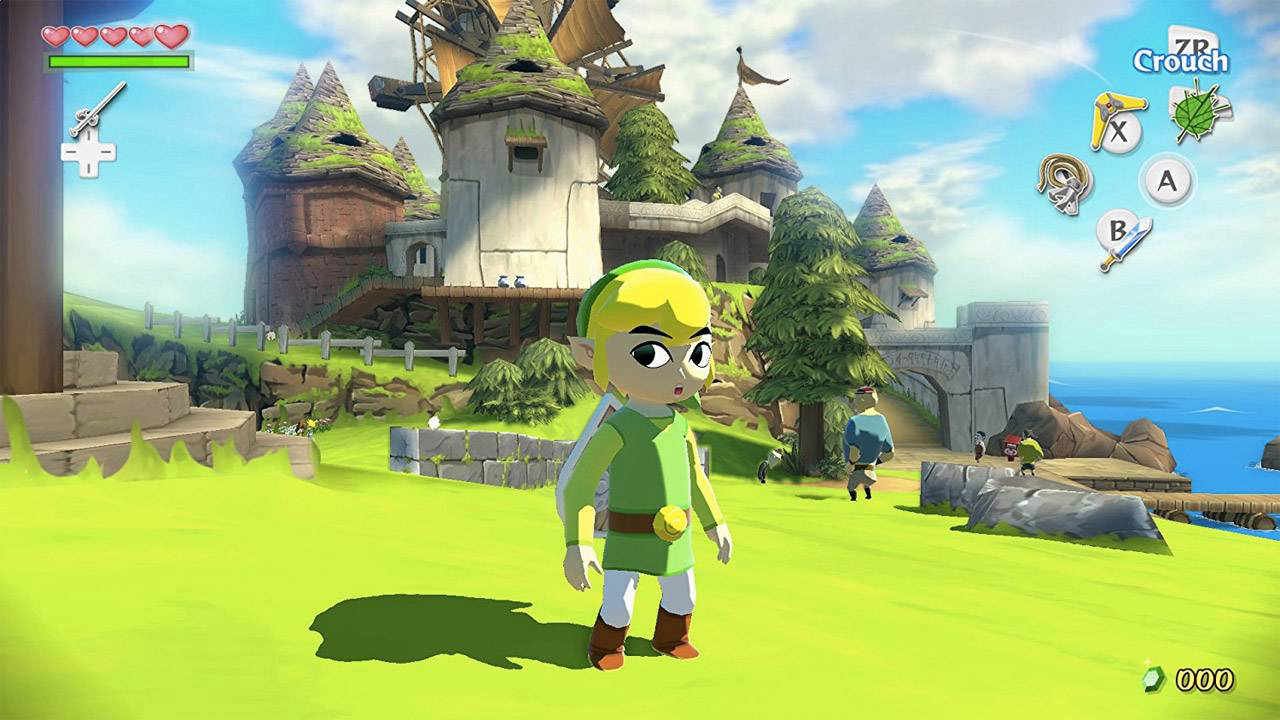
The following glimpse of the project showed Link shrunk down to child size. The gritty design had vanished, swapped for something nearer the cartoon renderings of Link that once turned up in game instruction manuals. A loud contingent of players was convinced the series had jumped the shark.
Many of them changed their minds in the years after release. They warmed to it again with the HD port on Wii U. And a Switch 2 update of The Wind Waker still ranks high on plenty of wish lists, which tells you a Zelda game amounts to more than how it looks.
A remaster polished DuckTales and misplaced the magic
DuckTales sends Scrooge McDuck through vivid cartoon locales spread around the world. It was a good-looking game from day one, its detailed environments turning the cartoon into something interactive, but the genuine pleasure came from the freedom to explore.
Much later, WayForward assembled a remastered and reworked edition for newer platforms, sharper visuals and voice work from the original cartoon talent included. On paper, an upgrade in every direction.
It never landed the same way. The graphics had improved. The formula had always rested on more than pretty graphics, and those other ingredients turned out to be the ones that counted.
The sequel nobody at Capcom requested
After the original Mega Man fell short of Capcom’s sales hopes, the team turned the follow-up into a passion project and built it with little interest from their employer.
The result was Mega Man 2, among the finest games of the 8-bit era. Its visuals were attractive by the standards of the day, certainly, but players responded more to the stronger level design, the rocking soundtrack and the wider lineup of robot bosses.
The series held on to a large audience through the rest of the NES era while its appearance improved only marginally. The formula carried one game after another.
The Final Fantasy that stepped backward on purpose
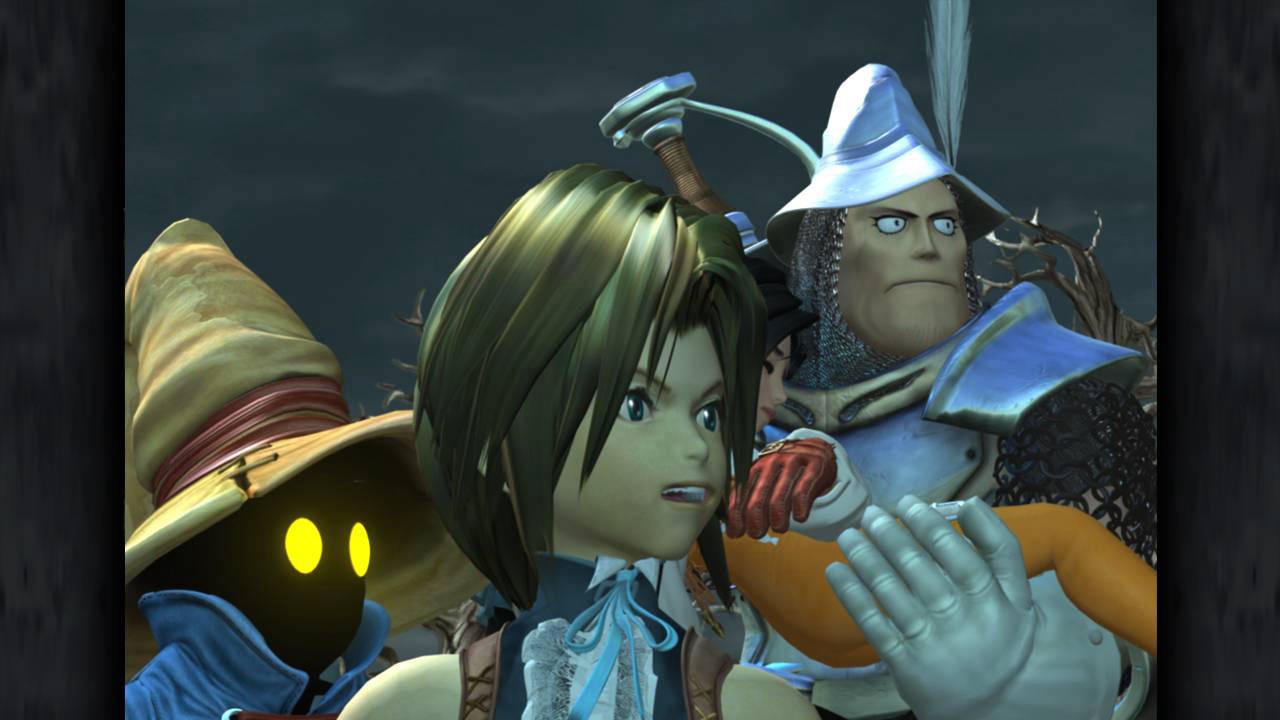
Final Fantasy games have generally pushed visual boundaries, one after the next. Final Fantasy 8 handed its memorable cast realistic models. Final Fantasy 9 followed it and headed somewhere else entirely.
Its chibi characters brimmed with expression and its world was beautiful, though in certain respects it amounted to a visual regression, one that Final Fantasy 10 corrected a year later. Even in a world that includes Final Fantasy 16, this far older entry is still a delight to play.
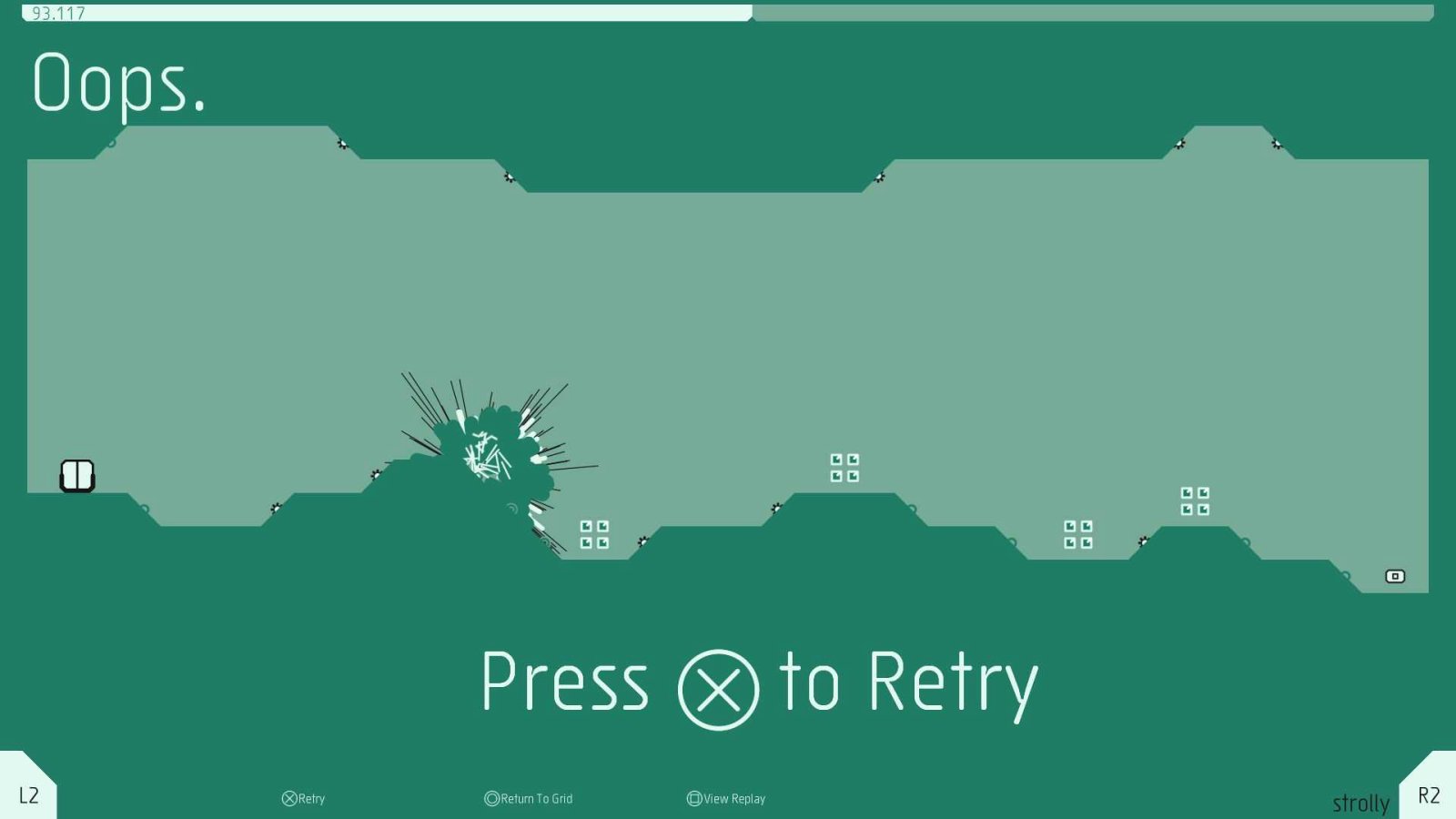
N+ is the console edition of N, a title that began life as an Adobe Flash game before Metanet Software teamed up with other developers to carry it to Xbox Live Arcade. The controls could hardly be simpler: run, leap, repeat, through hundreds of stages set in treacherous and mostly barren environments. None of it turns heads. The loop held players there for dozens of hours.
Rodents, cities and the argument for less detail
Before DMA Design became known for biting satire and 3D open worlds, before it made Grand Theft Auto and turned into Rockstar North, the studio had a handful of hits. The biggest was arguably Lemmings, a game about rodents hurrying toward the sea for one final swim.
You hand strategic roles to members of a lemming group and try to steer as many of the critters as possible to a safe exit. The visuals were typically quite limited, and the design was better for it. Cluttered backgrounds and complexity would have risked burying the details that mattered, or draining the characters of the personality the game needed to work.
SimCity made urban simulations popular and looked perfectly fine doing so, without ever being impressive. It found its audience by handing players control of a city and then forcing them to wrestle with transit and economics. People poured dozens of hours into suburbs, industrial complexes and commercial districts, and nobody gave a thought to framerate or 4K resolution. The creativity was the point. Nintendo collaborated with Maxis on a Super Nintendo port, and an NES version was planned and shown at CES 1991 before it was canceled.
Two games that never had to grow up
Terraria, from developer Re-Logic, isn’t ugly. Nor is it a visual showpiece, and it has no need to be. Players turn up to roam, craft, build, fight and mine. That’s all of it, and it works because it assembles everything people want from a sandbox. The retro pixel art suits them just fine.
Worms is the game that pushed plenty of players to finally take notice of Team17. It took straightforward turn-based strategy mechanics and dressed them in a cute art style that got players invested in a bunch of maniacal worms and their endless war. The backgrounds are detailed and the worms have personality. Since the Amiga days the franchise hasn’t evolved much, and it hasn’t needed to.
The weapons of destruction are still the star of the show.