

Getting Doom to boot on anything with a processor and a display has been a decades-long sport. Some of the targets have had neither.
Only a tiny number of franchises ever earn that sort of afterlife. Yes, the 20th century handed us stacks of games we loved for private reasons, the ones that surface in our heads at 2 a.m. unprompted. But it also produced the series that rearranged the furniture for everyone else, spread across the Nintendo Entertainment System, Genesis, Game Boy, PlayStation and PC.
Fresh heroes. Fresh genres. Fresh expectations. Below, the heavyweights are measured by one thing: what they did to the medium.
The franchise that sold football to people who couldn’t care less about bounty hunters
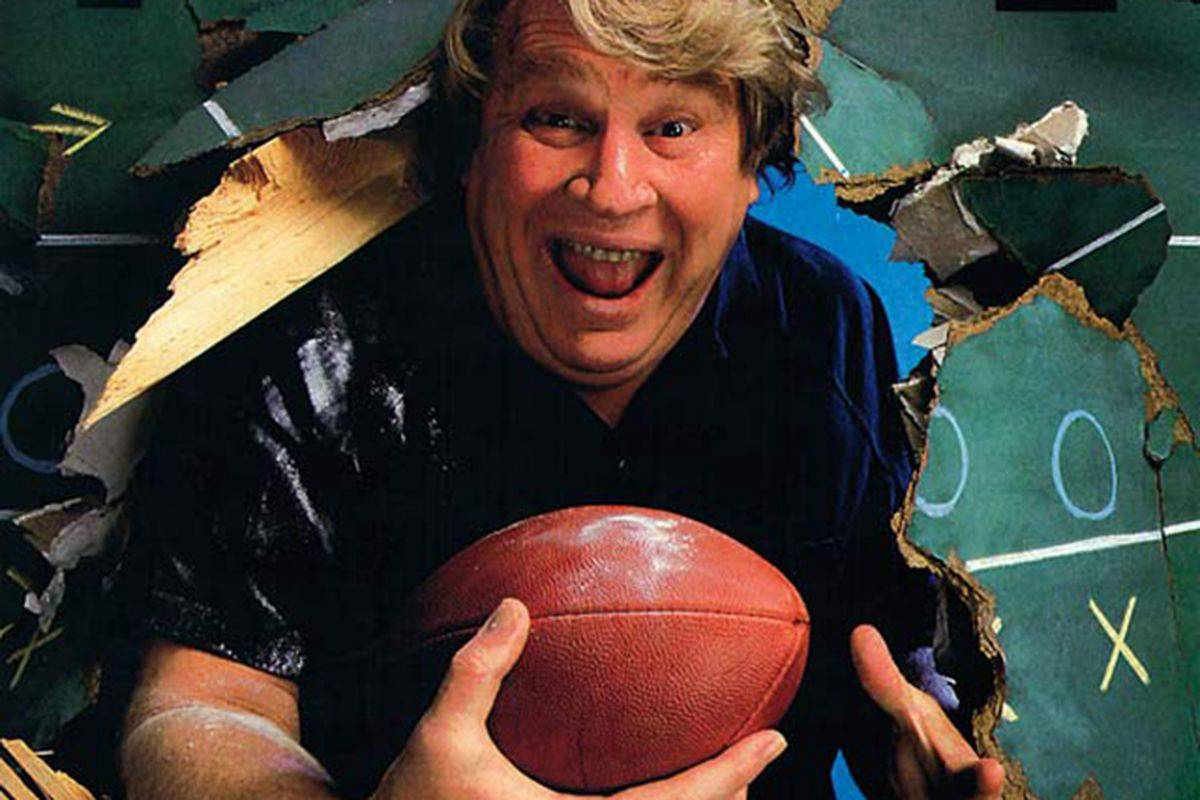
Mention “video game” and the image that surfaces for most of us is a spaceship, or a hero swinging a preposterous sword at something slimy, or a furry mascot hopping between platforms. Electronic Arts had a completely different buyer in mind.
John Madden Football arrived in 1988 and began a partnership with the gregarious former player, coach, sports commentator and turducken enthusiast. Throughout the ’90s, EA pumped out sports titles and digital athletes from every league whose rights it could secure.
The NFL license was the one that counted. As one century wound down and the next began, people with no appetite for princes or galactic bounty hunters finally had a game they understood, and they turned up in enormous numbers. A Madden movie is now in the works, which says it all.
Capcom’s Blue Bomber repeated himself for years, and nobody complained
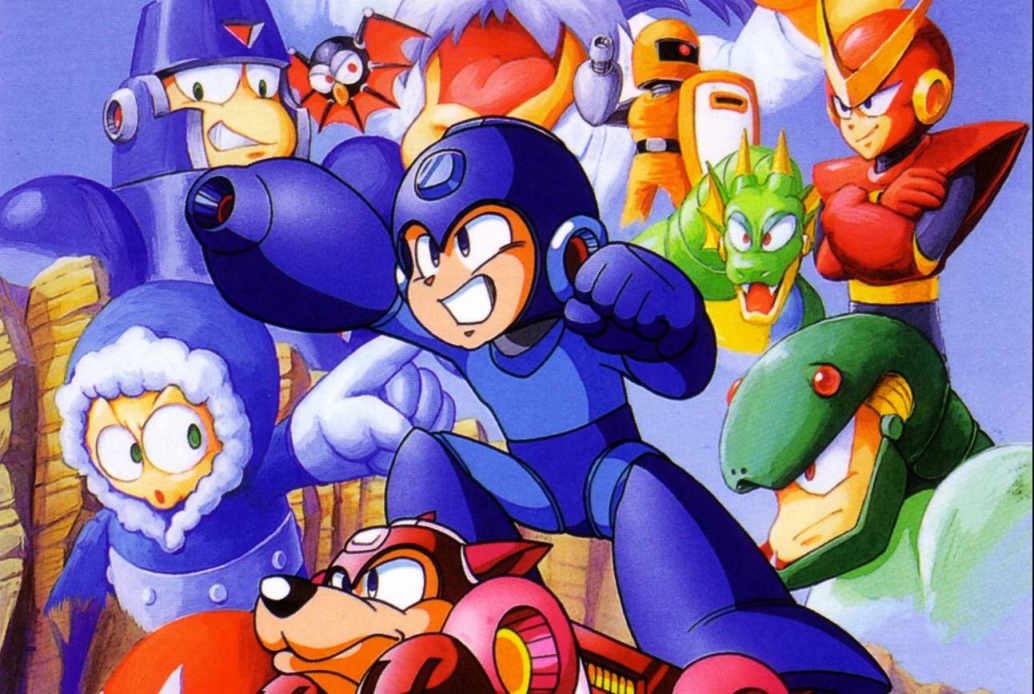
Mega Man’s debut was a wobble. Mega Man 2 corrected course, and from there came a long run in which practically every year brought another helping of action platforming executed properly.
The template hardly budged. Eight machines go haywire in 20XX, invariably on Dr. Wily’s orders, and the unflappable hero collects dozens of fresh abilities and allies en route. Capcom spun a main series out of that, along with the Mega Man X spinoffs and a scattering of console and arcade releases.
His heyday is largely behind him. He’s popped up in cartoons and as a Smash Bros. fighter, and a new outing awaits in 2027’s Mega Man: Dual Override.
Konami’s vampire hunters lent their name to half a subgenre
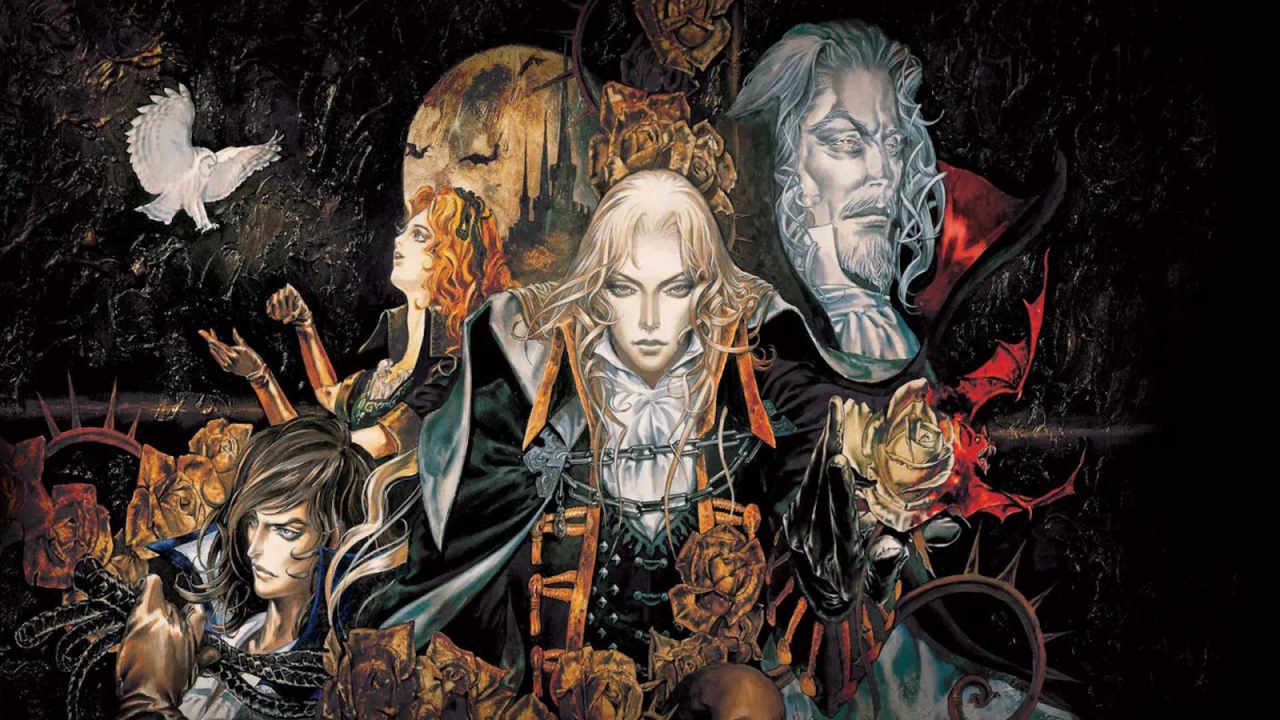
Any gothic adventure game released since owes Castlevania a cut. The series’ greatest prize, though, is a linguistic one: it supplies half the name of the entire Metroidvania subgenre, courtesy of Symphony of the Night, which reached PlayStation in Japan on March 20, 1997.
The franchise had already covered the NES, Genesis, MSX and Commodore 64 by that point. Games that once drew from cinema and literature are now the source material for other work, including a wildly popular anime adaptation on Netflix.
And the revival hasn’t stopped. Castlevania: Belmont’s Curse lands this October on Nintendo Switch, PlayStation 5, Windows PC and Xbox Series X/S.
Nintendo’s first genuine evidence that it knew the job
Trace Nintendo’s story back far enough and Donkey Kong is waiting there. Nothing about the original suggested franchise potential. It turned into one regardless.
Donkey Kong Jr. promoted the villain’s son to leading man. Donkey Kong 3, Donkey Kong Jr. Math and a compilation of the first two games followed. Much later, Rare turned up with Donkey Kong Country and its sequels and proved the point a second time.
Those three games kept the Super Nintendo alive until Nintendo was ready to launch the Nintendo 64, and they planted the seeds of a comeback on Wii and Wii U. The latest surprise was Donkey Kong Bananza, which blindsided fans around the Nintendo Switch 2 launch.
A fictional city we remember like a real one
Raccoon City exists no more than Hyrule or the Mushroom Kingdom does. It still feels as tangible as Chicago or Portland.
The abandoned mansion sticks with you. Zombies closing in behind you, typewriter ribbons doled out like drinking water. So does the police station, and the realization that the local force stood no chance against whatever the Umbrella Corporation had brewed up.
Between Resident Evil, its sequels and its spinoffs, an entire crowd of imitators emerged, Konami’s equally superb Silent Hill series among them, plus films and board games. Capcom hasn’t let up either, even if beating the franchise’s late-’90s peak is tough to imagine.
The quarters that vanished into pizza parlor cabinets
Street Fighter was largely beside the point until Street Fighter 2: The World Warrior began drawing arcade crowds following its March 1991 debut. A Super Nintendo conversion arrived twelve months later, and suddenly an all-night session cost nothing extra.
For years, though, the definitive versions were the cabinet ones. So we sought them out — in arcades, obviously, but also laundromats, pizza parlors and convenience stores.
Capcom kept churning out Street Fighter II variants and extended the brand into anime, movies and comics. Mortal Kombat and Tekken went after the crowd Capcom had discovered. Neither is Street Fighter 2, and plenty of us will go to our graves insisting on it.
Sega manufactured a rival from sneakers and shades
Mario’s games have a lot to recommend them. Style is not among those things. Between the overalls, the sagging mustache and the vibe of a man punching a time card, he hardly looks qualified to rescue a fantasy kingdom from a dragon-like monster named Koopa.
Sega spotted the opening and plugged it with a blue hedgehog sporting an attitude, red sneakers and dark shades. Sonic was also fast. Absurdly fast. And he hoarded rings, which scattered in every direction the instant he brushed a spike.
The rivalry ignited almost the moment Sonic the Hedgehog released on June 23, 1991. Playgrounds divided into factions. The intensity of those arguments seems ridiculous in hindsight, but during the ’90s it was a reason to get up in the morning.
Four words that ruled a generation
Whoever came up with “Gotta catch ’em all” is owed a raise, because the phrase turned into a battle cry.
Parents and pastors worried we were welcoming the devil into the house. In reality we were sweeping through patches of tall grass, hoping to chuck a ball at some unfamiliar fish, gopher or bird for the roster.
Pokemon remains colossal, and here’s the odd thing: it seemed even bigger back in the ’90s. We collected the cards. We badgered our parents for batteries so we could finally topple that gym leader. We traded, particularly when a friend owned blue and we owned red. Layer an anime over all of that and the result is a behemoth people still pay real money to enjoy.
id Software’s shooter has become a hardware benchmark
The first Doom gave us an excuse to hold LAN parties, marched us into hell and kicked off a franchise the rest of the industry spent years imitating.
The series has fallen out of fashion lately, the 2016 reboot and its follow-ups included. That doesn’t undo what it once was.
Copied without end, never surpassed
Borrowing its shape from classic fairy tales, The Legend of Zelda told a straightforward story and launched one of the most cherished franchises gaming has. The Ocarina of Time remake is proof enough.
There was even a short-lived cartoon during the ’90s, back when Nintendo’s biggest characters were landing TV shows. But the games were the real attraction. Two NES entries, then a Super Nintendo sequel that finally convinced some of us to buy 16-bit hardware.
Link’s Awakening squeezed a vast world onto the tiny Game Boy. Then Ocarina of Time made the first move into 3D and left everyone else in the dust.
Three decades and change later, the imitations keep arriving and Link keeps coming out on top.