


A woman in a blue jumpsuit hauls herself out of a hole in the ground nine years after the events of Fallout 4, only to find that everyone up on the surface is worse than the stories ever suggested.
It’s the opening move of the finest video game adaptation anybody has managed to make, and it belongs to Prime Video.
Fallout accomplishes what the genre spent decades fumbling. It runs the Arcane playbook and The Last of Us playbook simultaneously, then adds a move neither of those shows attempted.
The genre quit being a joke some time ago
Castlevania, Twisted Metal, Gangs of London, Arcane, The Last of Us. Those aren’t oddities on a list anymore. They’re a run of series that won over mainstream viewers and critics in the same breath.
Arcane went as far as carrying one of the largest TV budgets ever assembled, towering over the figure HBO once spent to set the record with Boardwalk Empire. Netflix got its money back and then some. The League of Legends series turned into one of the most successful things the platform has ever produced.
Henry Cavill’s forthcoming Warhammer 40,000 adaptation wants to do for tabletop what these shows did for consoles. Somebody already paved the road.
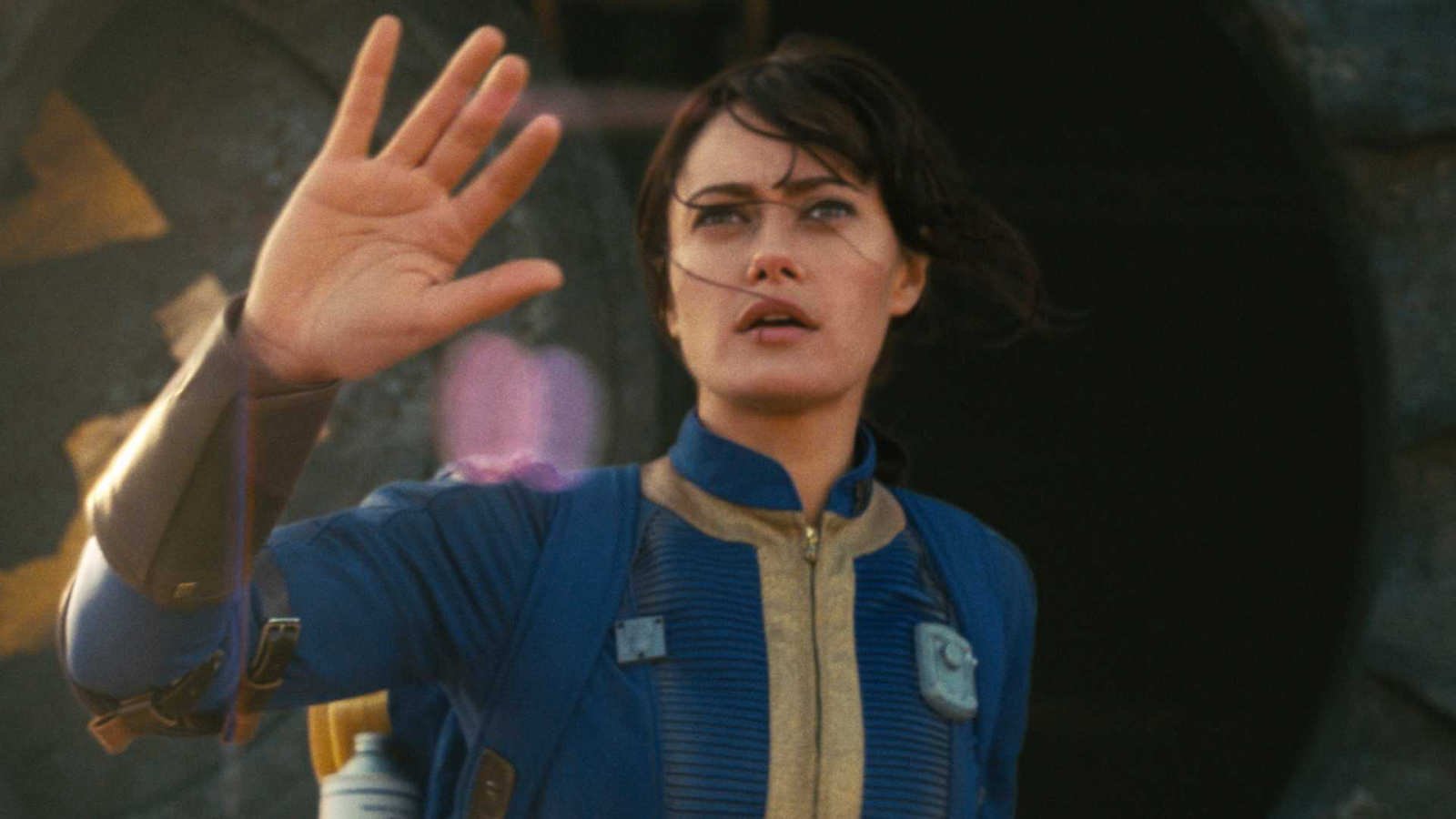
The trick is declining to adapt the plot at all
This is where most adaptations fall down. Fallout, much like Arcane, never puts the games themselves on screen. It builds an original story inside the same universe and leaves the lore to do the heavy lifting underneath it.
The Fallout games date back to 1997. A live-action version didn’t arrive until 2024, and that long delay handed the show one particular gift: room.
The games are set between 2102 and 2287. The series takes place in 2296, making it the furthest-forward chronological entry in the whole franchise. Fallout 4 unfolds nine years earlier. That means Lucy’s story can step into genuinely fresh territory without pretending the preceding 27 years never occurred.
Ella Purnell in a jumpsuit, Walton Goggins minus a nose
Lucy is played by Purnell. The Ghoul is played by Walton Goggins. Everything happens long after the Great War of 2077, with most of humanity already wiped out and the survivors largely holed up in Vaults, the fallout bunkers that lend the series its name.
Jonathan Nolan is an executive producer, and Westworld is detectable in the DNA. The central narrative is a Mystery Box engineered to be addictive and unpredictable, and it lands because the writers were never fenced in by a plot the audience had already played through twice.
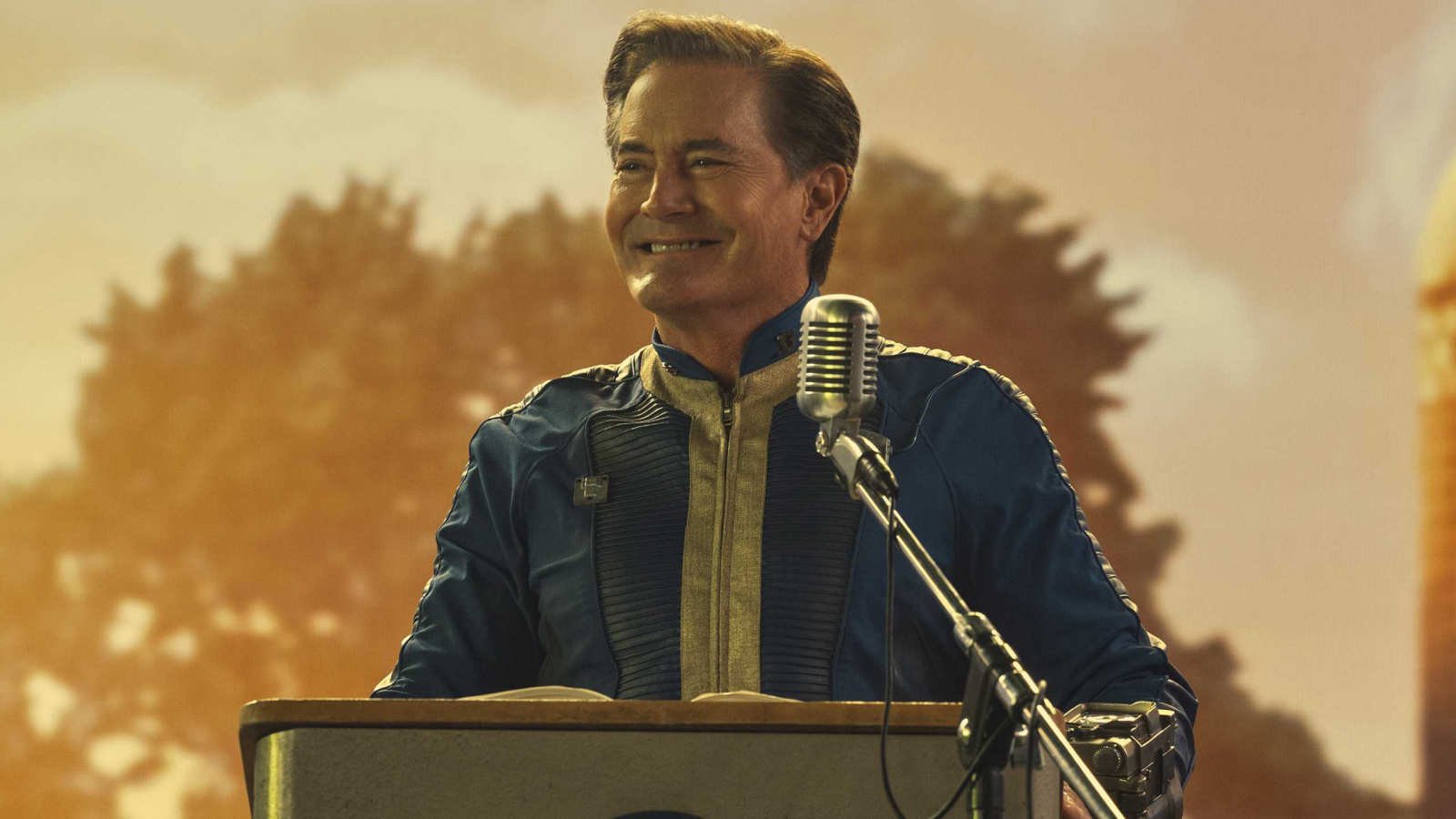
Prestige money, aimed at the right targets
The formula’s second half is lifted from The Last of Us. Fallout went the Prestige TV route: an A-list cast, costly production values, the entire machinery that makes a series feel like an event before a single frame has been seen.
Set it beside Person of Interest, Nolan’s earlier sci-fi police procedural, and the gap comes down to money and structure. Fallout is slicker, and it trades network television’s sprawling seasons for a shorter run with more action packed into every hour.
The cast is ridiculous. Purnell, Aaron Moten and Goggins are joined by Kyle MacLachlan, Zach Cherry, Justin Theroux, Matt Berry, Natasha Henstridge and Macaulay Culkin. A lineup like that could carry a show with half as many ideas.
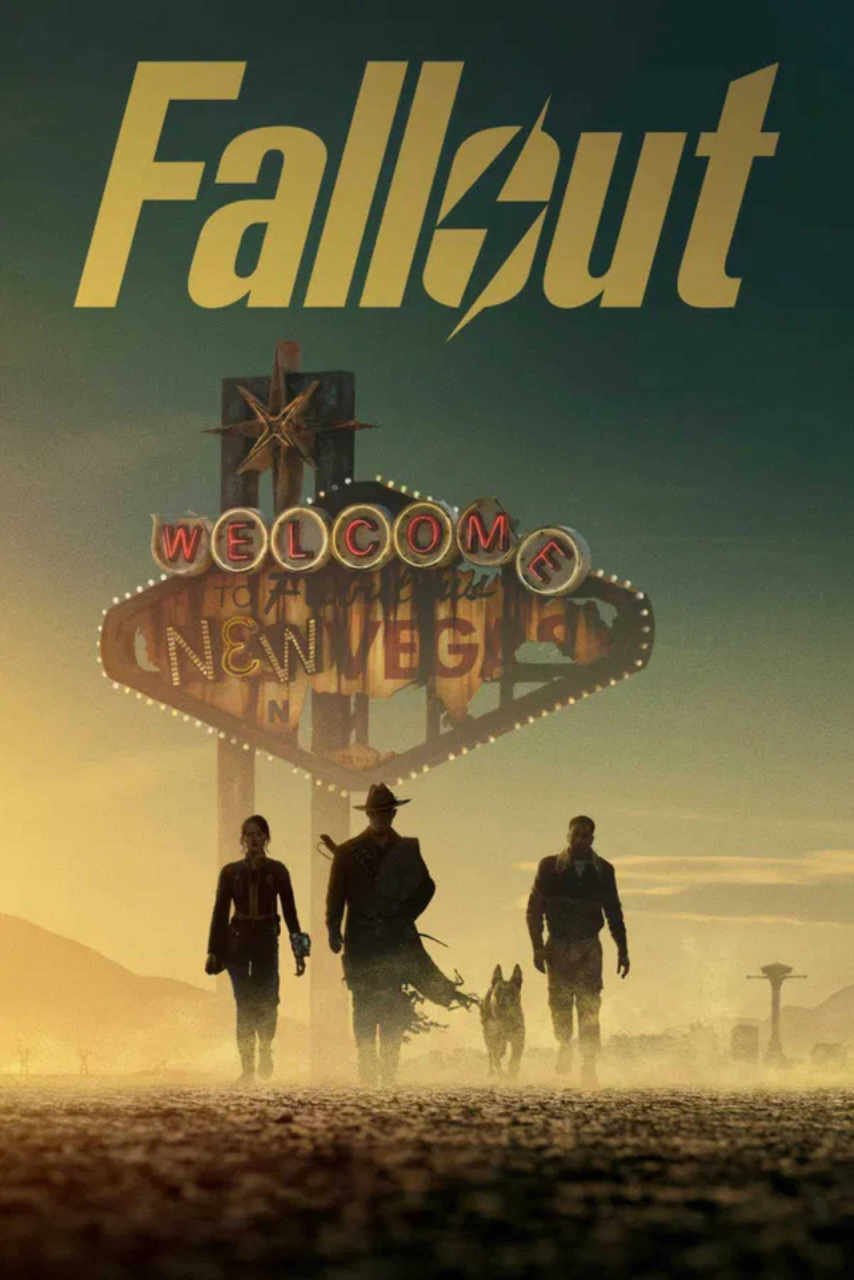
Why it tops the shows it studied
Tone is what sets Fallout apart. Its humor is properly dark, its characters are cartoonish and complicated at the same time, and it never once asks you to feel guilty for enjoying the violence.
Two seasons deep, the mix of high production values, an original story resting on franchise lore, and that cast is more than enough. Arcane and The Last of Us cleared the road. Fallout is the one driving down it.
The Ghoul, for his part, still hasn’t apologized to anyone.